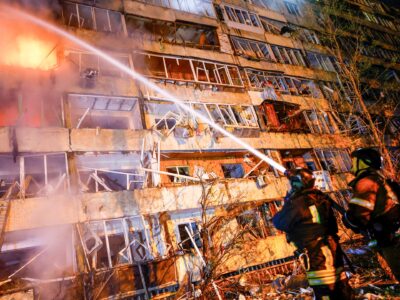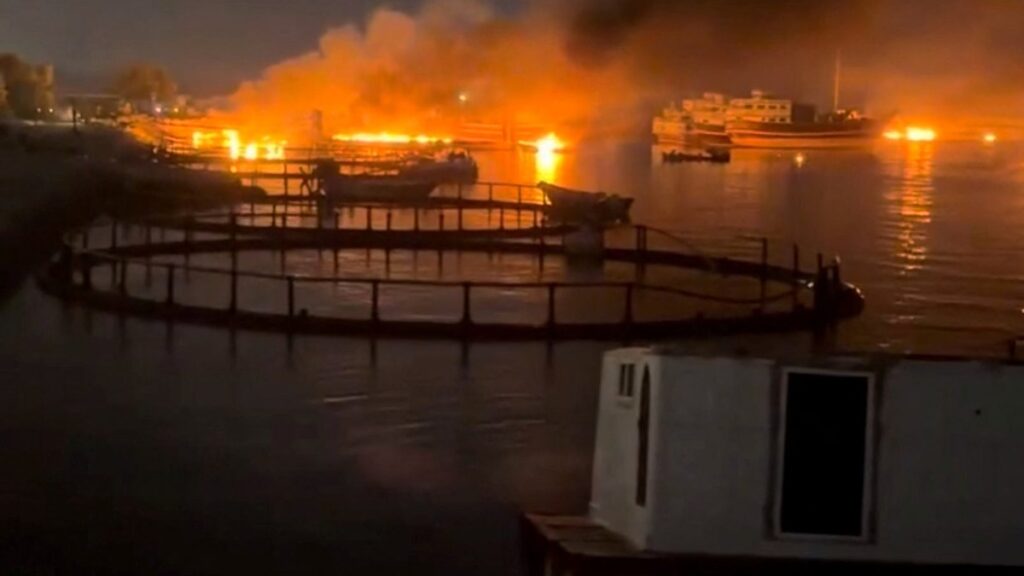
The United States has launched a fresh series of military strikes against targets in Iran as tensions escalate and the fragile ceasefire agreement falters. The latest wave of attacks marks the second consecutive night of intensified military action following the breakdown of a previously declared ceasefire.
In a recent statement, former President Donald Trump declared that the ceasefire is “over,” signaling a shift back towards active conflict despite earlier hopes for peace. However, he also emphasized that efforts to negotiate a lasting peace deal with Iran remain a priority.
The initial ceasefire had been hailed as a significant step towards de-escalating the protracted conflict between the two nations. Yet, underlying mistrust and unresolved issues continue to plague diplomatic efforts, leading to the resurgence of hostilities.
The new strikes reportedly targeted strategic installations linked to Iran’s military and nuclear programs. U.S. officials stated the operations were in response to intelligence regarding imminent threats originating from those sites.
Iranian leaders condemned the attacks as acts of aggression and vowed to retaliate against the U.S. military presence in the region. The escalating military exchanges raise concerns about the potential for a broader regional conflict.
International reactions to the renewed violence have been mixed. Several allied nations called for restraint on both sides and urged a return to diplomatic negotiations. The United Nations expressed deep concern over the rising hostilities and the humanitarian impact on civilians caught in the conflict.
Analysts suggest that while the ceasefire’s collapse is unfortunate, ongoing diplomatic channels could still offer a path to de-escalation if both parties commit to dialogue.
Experts note that the current situation is a reflection of longstanding geopolitical tensions in the Middle East, deeply intertwined with issues such as regional influence, security, and nuclear non-proliferation.
The U.S. administration has reiterated its commitment to maintaining security and stability in the region but acknowledges the complexity of the conflict and the challenges ahead.
As the situation evolves, the international community remains watchful, hoping for a de-escalation that avoids further violence and fosters a sustainable peace agreement.
This renewed wave of strikes and the collapse of the ceasefire underscore the fragile nature of conflict resolution in regions with deeply rooted hostilities. The coming days will be critical in determining whether diplomacy can overcome military confrontation in the U.S.-Iran standoff.