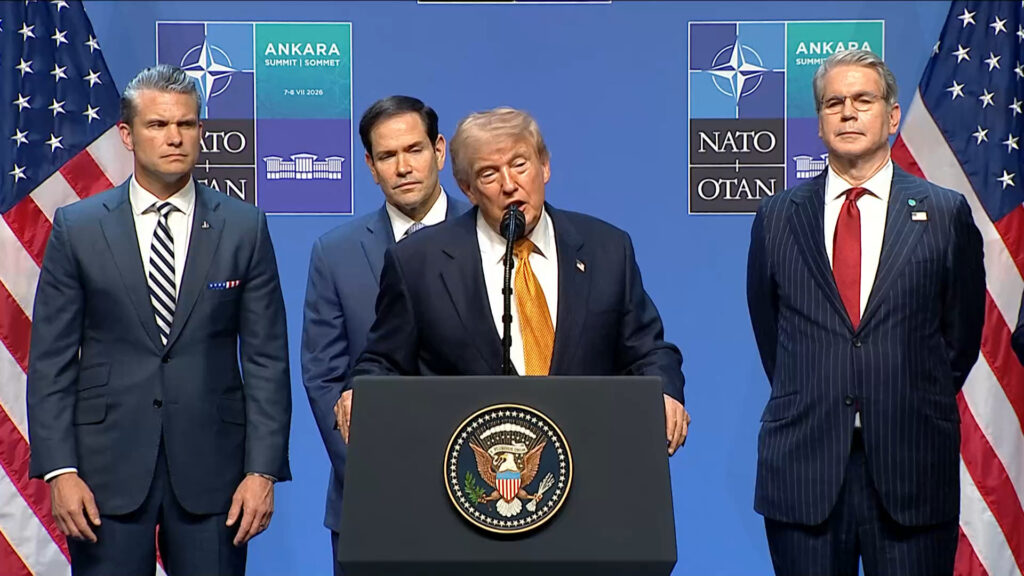
In a recent and striking statement, U.S. President Donald Trump declared himself as Iran’s “No. 1 target,” intensifying the already volatile relationship between the United States and Iran. This bold proclamation came amid escalating tensions in the Middle East, following a series of aggressive moves and retaliatory actions between the two nations.
President Trump emphasized that despite the risks, he believes that Iranian leaders have already been significantly weakened, claiming their key figures have been eliminated. This assertion adds to the high stakes of the ongoing conflict, as it underscores a serious confrontation beyond conventional diplomacy.
The announcement shocked many observers both in Washington and globally, as it signals a personal dimension to the conflict. Typically, heads of state avoid declaring themselves as direct targets to maintain a degree of diplomatic decorum and security. However, Trump’s declaration could be interpreted as a strategic move to deter Iran from escalating hostilities, suggesting that any military or covert action against the U.S. would be met with severe consequences.
Iran has not officially responded to Trump’s statement, but tensions have been building since the U.S. withdrawal from the Iran nuclear deal and subsequent re-imposition of sanctions. The political climate between the two nations remains one of deep mistrust and hostility.
Analysts warn that such rhetoric could increase the risk of miscalculation or accidental conflict. With Iran viewing the U.S. president himself as a primary adversary, the stakes of any confrontation could escalate dramatically, potentially affecting regional stability and global geopolitical dynamics.
The international community watches closely as diplomatic efforts are needed to de-escalate the situation. However, with both sides entrenched in their positions, the path to peace appears uncertain.
This declaration from Trump comes at a time when U.S. foreign policy in the Middle East is under intense scrutiny, highlighting the complexities of balancing national security interests with the pursuit of regional stability.
In summary, President Trump’s assertion that he is Iran’s top target marks a significant and unprecedented moment in U.S.-Iran relations, underscoring heightened tensions and the precarious nature of peace in the region. The coming weeks will be critical in determining whether dialogue or confrontation will prevail.