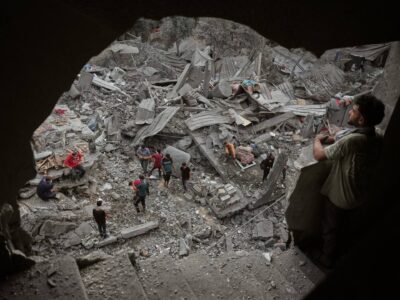
In a significant escalation of tensions in the Middle East, the United States has carried out strikes in southern Iran. According to Tehran, these attacks targeted US military sites, marking a serious development in the ongoing geopolitical conflict between the two nations.
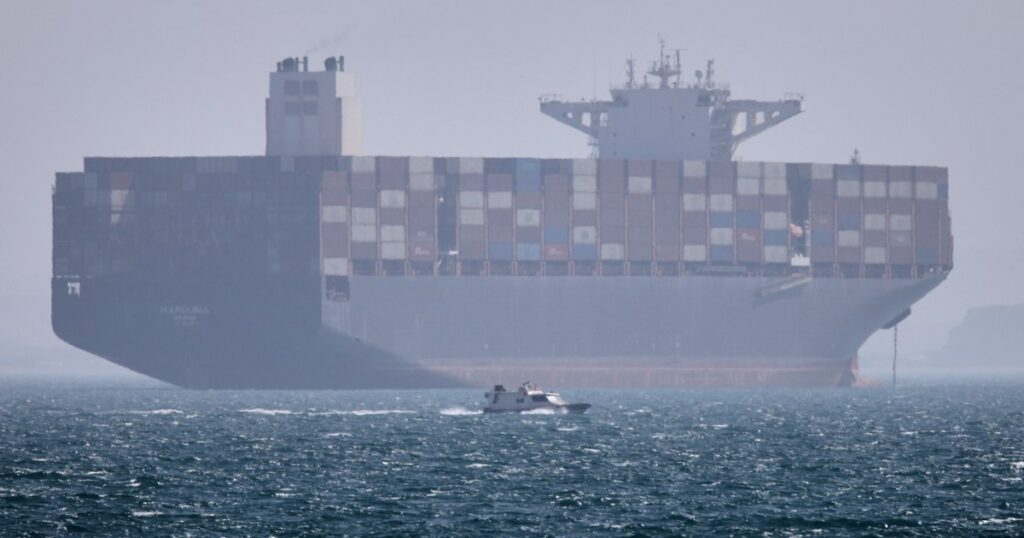
The strikes come just a day after attacks on tankers linked to Qatar and Saudi Arabia in the strategic Strait of Hormuz, a crucial chokepoint for global oil transportation. These tanker attacks heightened fears of broader regional instability and complicated already strained relations between the Gulf states and Iran.
The US military action is seen as a direct response to these tanker incidents, with Washington asserting the need to protect its interests and allies in the region. Officials in the US have not provided detailed information about the specific locations or the extent of the damage caused by the strikes, but they underscore the seriousness with which Washington views provocations in this volatile area.
Iran’s government condemned the US strikes, describing them as violations of international law and sovereignty. Iranian officials warned that such actions would have consequences and vowed to respond firmly to any further aggression. This rhetoric signals the potential for a cycle of retaliation that could destabilize the already fragile security situation in the Middle East.
The Strait of Hormuz remains one of the most critical maritime passages globally, with a substantial percentage of the world’s petroleum passing through it daily. Any conflict affecting this area has far-reaching implications for global energy markets and international trade.
The recent tanker attacks are part of a series of incidents that have raised alarm among international observers and governments about the risk of escalating conflict in the Gulf region. The involvement of both Qatari and Saudi vessels highlights the broader geopolitical rivalries at play, particularly the contest for influence between Iran and the Gulf Cooperation Council (GCC) countries backed by the US.
Analysts suggest that the strikes could be intended as a deterrent message from the US, signaling that attacks on allied shipping or military interests will elicit a swift and forceful response. However, the risk remains that such military actions could provoke further escalation, drawing multiple parties into a protracted conflict.
International reactions to the US strikes have been mixed. Some nations have called for restraint and a return to diplomatic dialogue to resolve disputes peacefully. Others have expressed concern about the potential for a wider regional war and called for urgent negotiations to de-escalate tensions.
In the context of rising global energy prices and ongoing diplomatic talks on Iran’s nuclear program, these developments add an additional layer of complexity. They underscore the fragile balance of power in the Persian Gulf and the high stakes involved in maintaining peace and stability in the region.
As the situation evolves, the international community watches closely, hoping for a de-escalation of violence and a renewed commitment to diplomacy. The US strikes in southern Iran and Tehran’s claims of attacks on US military sites mark a critical juncture in Middle Eastern geopolitics that could shape the region’s future course significantly.