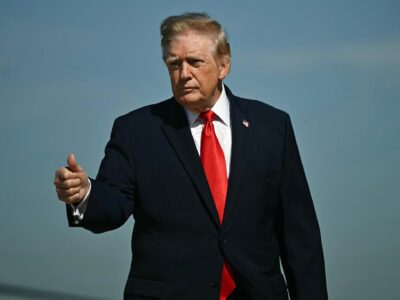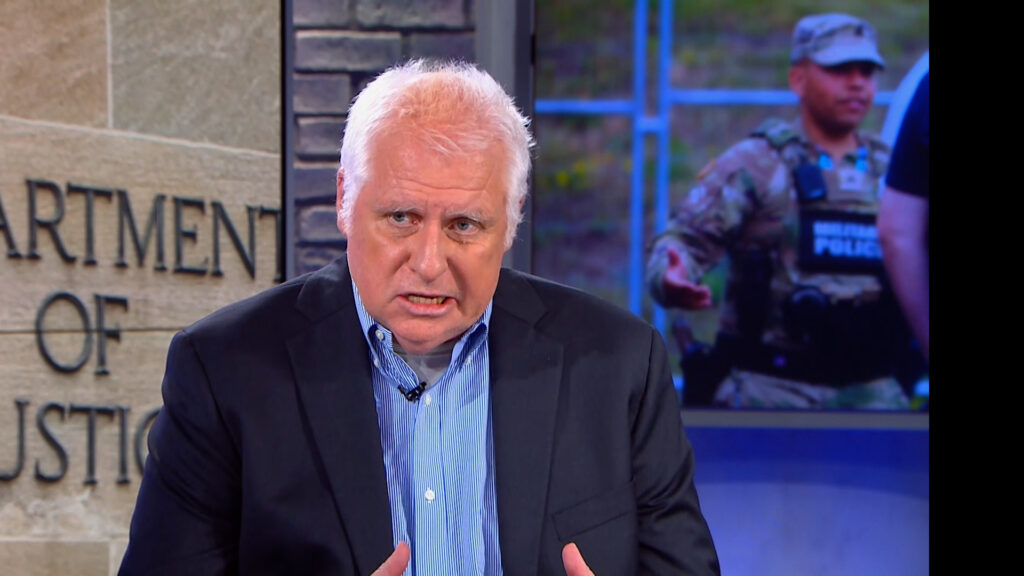
In recent developments, former intelligence and national security officials have voiced strong concerns over actions taken by former President Donald Trump regarding the U.S. intelligence community. These experts warn that Trump’s ongoing efforts to overhaul and reshape intelligence agencies may be driven more by political motives than by genuine national security concerns.
The critics argue that the changes proposed or implemented risk undermining the long-standing principle of intelligence agencies operating independently from partisan politics. The U.S. intelligence apparatus has traditionally been maintained as a nonpartisan entity focused solely on safeguarding national security and providing unbiased intelligence to policymakers.
Experts emphasize that politicizing intelligence services could have severe consequences. It could erode public trust in intelligence assessments, lead to the manipulation or suppression of critical information, and ultimately weaken America’s ability to respond effectively to threats both foreign and domestic.
Former officials familiar with the situation have expressed alarm that the intelligence overhaul might prioritize political loyalty over expertise and objectivity. They caution that embedding partisan interests within national security agencies could compromise their mission and lead to decisions that favor political agendas over the country’s safety.
Analysts also highlight that intelligence agencies play a key role in providing accurate, timely information about global threats such as terrorism, cyberattacks, emerging geopolitical risks, and espionage activities. Any erosion of their credibility could impair strategic decision-making at the highest levels of government.
Moreover, experts point out that intelligence assessments must remain insulated from political bias to ensure decisions are based on fact, not ideology. When intelligence is politicized, the risk of misinforming policymakers increases, potentially leading to misguided policies or escalations of conflict.
The previous administration’s track record regarding intelligence matters has been closely examined, with concerns raised about the dismissal of seasoned intelligence officials and pressure on agencies to produce findings that align with political narratives.
Given the sensitive nature of national security, these warnings from experts urge caution and call for bipartisan support to maintain the integrity and independence of intelligence institutions.
In summary, the primary concern is that Trump’s approach to intelligence services may inject partisanship into an area that must remain steadfastly impartial. The experts advocate for preserving the professionalism and nonpolitical stance of these agencies to protect the nation’s security objectives without compromise.