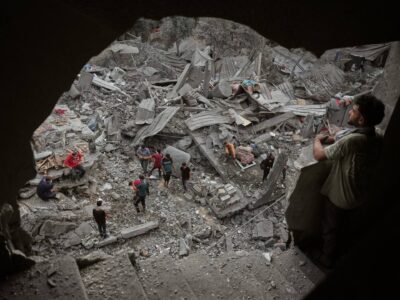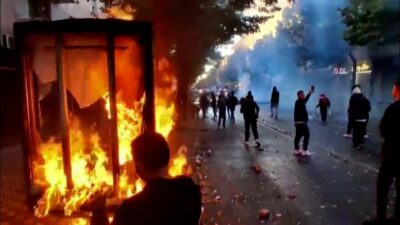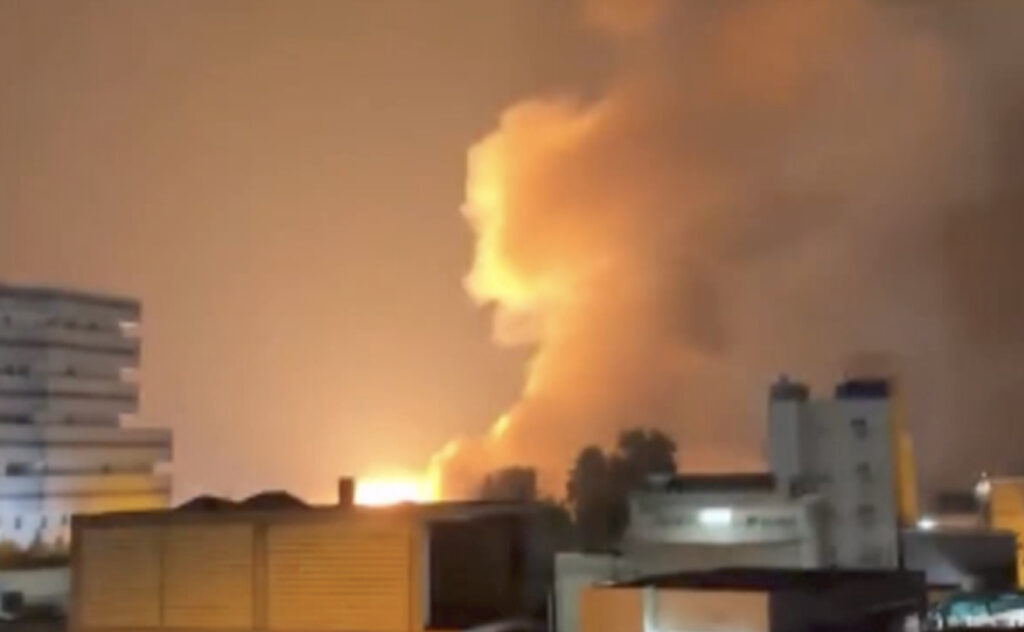
The United States has launched new military strikes on Iran, breaking a previous commitment to pause attacks during the funeral period of Iran’s Supreme Leader, Ayatollah Ali Khamenei. President Donald Trump had promised to hold off on aggressive actions as a mark of respect and to avoid escalating tensions during the sensitive time following Khamenei’s passing. However, the recent military actions by the US have raised questions and concerns regarding the administration’s consistency and the broader implications for US-Iran relations.
The funeral of Ayatollah Khamenei, a pivotal figure in Iran’s political and religious hierarchy, marked a significant moment for the country and the region. Traditionally, moments of national mourning can lead to temporary lulls in hostilities as a sign of respect and to maintain diplomatic channels. Despite this, the US conducted strikes that signals a shift away from the previously stated approach.
The rationale behind the US decision to strike despite the promise of a pause is not entirely clear. Officials have indicated that the strikes target specific threats and are part of ongoing efforts to curb Iran’s military capabilities and influence in the Middle East. However, critics argue that such actions could exacerbate instability in the region and derail any potential diplomatic progress.
Iranian officials have condemned the US strikes as a violation of the promised pause and an affront to Iranian sovereignty and mourning practices. The strikes have sparked outrage among Iranian citizens and government representatives, who view the actions as aggressive and disrespectful during a time of national grieving.
Experts believe that this development could lead to heightened tensions between the two countries, with possible retaliatory actions from Iran. The move has complicated the already fragile relations between Washington and Tehran, which have been marked by years of distrust, sanctions, and proxy conflicts.
The timing of the strikes during such a critical period has drawn widespread international attention. Allies and observers of the Middle East have raised concerns about the potential for a new cycle of violence that could impact regional stability and global security.
In summary, the US decision to launch strikes on Iran despite a pledged pause for the funeral of Ayatollah Khamenei represents a significant moment in the ongoing conflict between the two nations. The move challenges previous commitments, escalates tensions, and poses serious questions about the future trajectory of US-Iran relations amid a region already fraught with complexity and volatility.