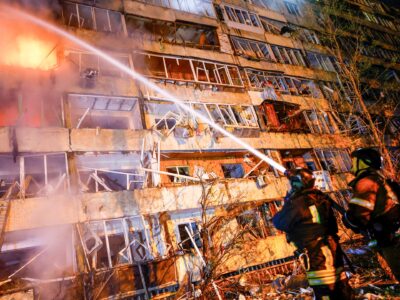
An unstable skyscraper in Manhattan has raised significant safety concerns, leading to a major evacuation in the area. The building’s structural columns have buckled, alarming residents, workers, and city officials. This unexpected structural failure has prompted immediate action to prevent any potential collapse that could endanger lives and property.
The skyscraper, located in a densely populated part of Manhattan, showed signs of instability when engineers observed the buckling of several key support columns. Structural engineers and emergency response teams were quickly dispatched to assess the situation. Due to the high risk of collapse, the building was swiftly evacuated along with surrounding structures considered at risk.
City authorities confirmed that the evacuation is a necessary precaution as they conduct thorough safety inspections and determine the cause of the structural failure. Experts suspect that the instability may be related to material fatigue, design flaws, or recent impacts or renovations that compromised the integrity of the columns.
This incident has raised broader concerns about the safety standards of older high-rise buildings in New York City. Many of these buildings were constructed decades ago, and continuous exposure to environmental stressors may have weakened their structural elements. The city’s Department of Buildings has announced plans to conduct more rigorous inspections across similar structures to prevent future emergencies.
Emergency services remain on site, monitoring the building for any further signs of degradation while ensuring that no unauthorized personnel enter the danger zone. Residents and businesses displaced by the evacuation are being provided with temporary shelter and assistance.
Engineers are working on developing a stabilization plan to reinforce the weakened columns and prevent collapse. This may involve installing additional supports or underpinning compromised structures. A timeline for repair and reoccupation has not yet been established, pending further analysis.
This event has highlighted the critical importance of infrastructure maintenance and proactive safety measures within urban environments. The city administration has pledged to allocate resources to infrastructure inspection and rehabilitation to safeguard residents.
Meanwhile, news of the evacuation has disrupted local traffic and commerce, as nearby roads remain closed for safety reasons. Business owners are concerned about economic impacts as access to the area remains limited.
The Manhattan skyscraper case serves as a stark reminder of the challenges faced by aging urban infrastructure amid growing population density and environmental pressures. It underscores the need for continual vigilance, investment in building safety, and modernization initiatives to ensure the welfare of city inhabitants.
Authorities continue to update the public as new information becomes available and urge everyone to comply with safety regulations and evacuation orders during this critical period.