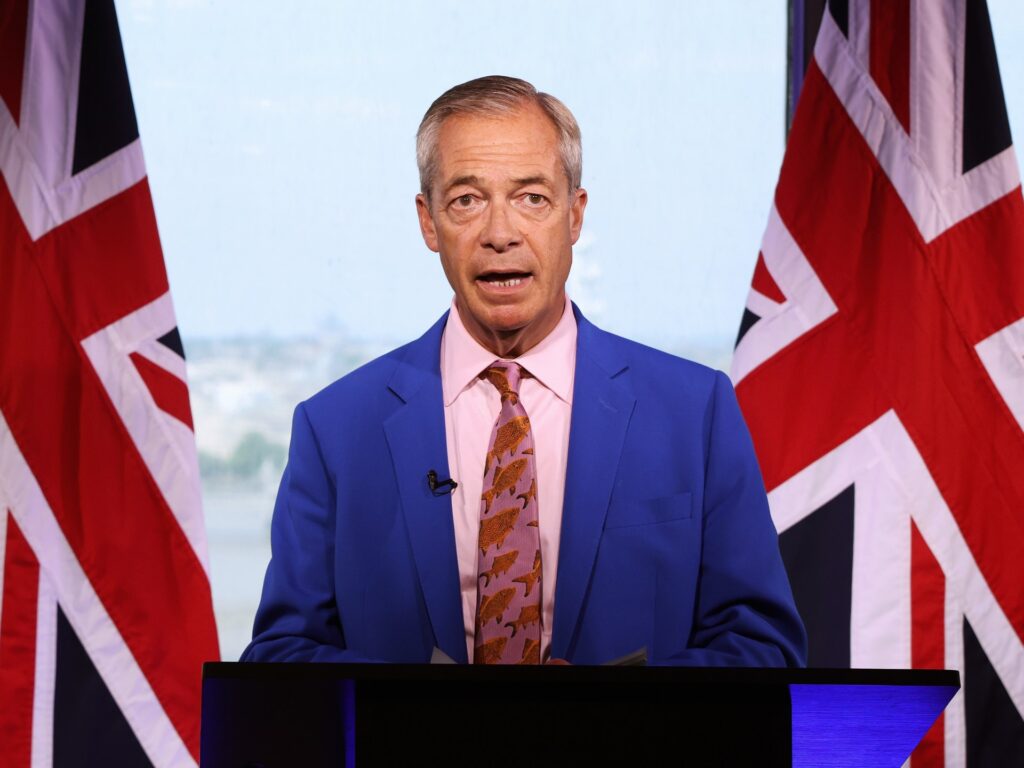
Nigel Farage, the founder of Reform UK and a prominent figure in British politics, has announced his resignation as a Member of Parliament (MP) amid a growing funding scandal. This unexpected move comes as parliament launches an investigation into undeclared benefits Farage reportedly accepted from an individual later revealed to be a fraudster.
Farage, known for his influential role in the Brexit campaign and his leadership of the Brexit Party, has steadfastly denied any wrongdoing, stating that he has “done nothing wrong.” Despite his protests, the controversy surrounding undeclared financial benefits has intensified scrutiny on his political career and the funding practices of Reform UK.
The scandal centers on allegations that Farage accepted financial support and benefits without properly declaring them to parliamentary authorities. These undeclared benefits allegedly originated from a fraudster, raising serious concerns about compliance with parliamentary rules and the transparency of political funding.
The investigation by parliament’s standards committee will seek to determine whether Farage violated rules regarding financial disclosures and the acceptance of benefits. Such inquiries are crucial for maintaining integrity and transparency within the UK’s political system, ensuring MPs adhere to ethical standards.
Following his resignation, a by-election is now triggered in Farage’s constituency. This by-election will be closely watched as it could signal shifts in political sentiments and the strength of Reform UK in the region. The absence of Farage, a charismatic and often controversial figure, leaves a significant void in the party and the political landscape.
The timing of Farage’s resignation adds to the political turbulence ahead of forthcoming national elections. His departure may affect Reform UK’s strategic position and impact voter perceptions, particularly among those who have supported Farage’s Euro-skeptic and populist positions over the years.
Political analysts view this development as a critical test for Reform UK, which has relied heavily on Farage’s leadership and public profile to galvanize support. The party must now navigate the challenges of leadership transition and rebuilding trust amid the scandal.
Farage’s statement expressing his innocence and his decision to step down have sparked debates about accountability and transparency in UK politics. Supporters argue that he has been unfairly targeted, while critics emphasize the need for stringent adherence to rules governing political finance.
This episode underscores ongoing concerns about political funding and the influence of undisclosed financial contributions on elected officials. As parliament progresses with its investigation, the findings could lead to broader reforms aimed at increasing transparency and preventing similar incidents in the future.
In summary, Nigel Farage’s resignation amid a funding scandal marks a significant moment in British politics, initiating a by-election and prompting intense scrutiny of political finance practices. The outcomes of the parliamentary investigation and the subsequent by-election will likely shape the future trajectory of Reform UK and highlight the importance of ethical conduct in public office.