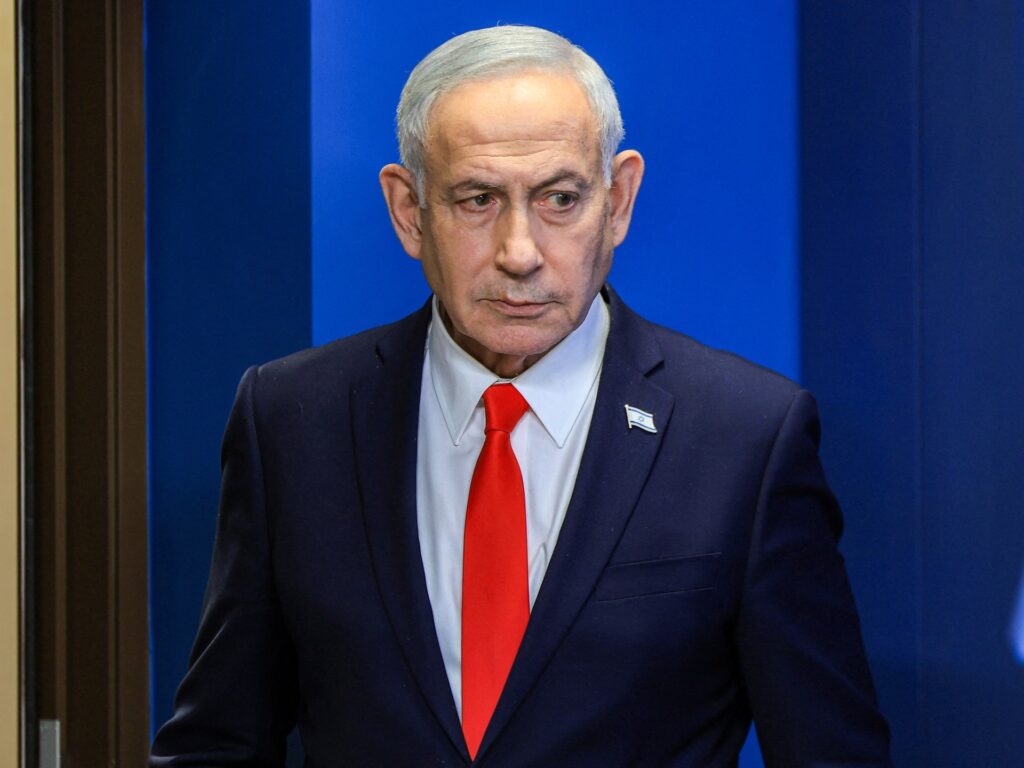
Israeli Prime Minister Benjamin Netanyahu’s recent remarks about Lebanese Christians have sparked significant controversy and backlash in Lebanon. After Netanyahu made statements that were perceived as targeting the Christian community in Lebanon, Lebanese analysts and public figures swiftly denounced his comments. Many called his assertions misleading, accusing him of fabricating facts to create division within Lebanon.
Netanyahu’s comments came amid rising tensions in the region and were viewed by Lebanese experts as a strategic attempt to deepen sectarian rifts and destabilize the already fragile political landscape. Lebanese analysts emphasized that his statements were aimed at sowing strife among Lebanon’s diverse religious communities, particularly attempting to isolate the Christian minority from the broader national fabric.
Lebanon, a country long characterized by its delicate sectarian balance, has often been vulnerable to external influences that seek to exploit religious and ethnic differences for geopolitical gains. The reactions to Netanyahu’s remarks reflect a broader sentiment in Lebanon that Israel’s leadership sometimes uses inflammatory rhetoric to interfere in Lebanese internal affairs.
Analysts also highlighted that Netanyahu’s accusations lack credible evidence and are part of a broader misinformation campaign. By targeting Lebanese Christians, Netanyahu appears to be attempting to fracture Lebanon’s unity and fuel internal conflicts that could weaken Lebanon’s position regionally.
Several Lebanese political commentators and religious leaders expressed alarm at the potential consequences of such divisive statements. They warned that escalating sectarian tensions could undermine Lebanon’s ongoing efforts at political reform and recovery from economic crisis.
Furthermore, the Lebanese public discourse following Netanyahu’s comments saw an outpouring of solidarity among various religious communities, underscoring a collective rejection of attempts to drive wedges between groups that have coexisted despite challenges.
Lebanon’s complex socio-political environment requires delicate handling of communal relations. Analysts argue that external provocations like Netanyahu’s comments only complicate the path toward national reconciliation and stable governance.
In summary, Netanyahu’s recent statements about Lebanese Christians have been widely condemned by Lebanese analysts. Described as deliberate attempts to spread misinformation and provoke sectarian division, these comments highlight the ongoing challenges faced by Lebanon in maintaining its internal unity against external pressures and interference. The incident serves as a reminder of the fragile nature of Lebanese communal harmony and the necessity for careful dialogue and cooperation to preserve peace within the country.