Skip to content
August 25, 2026
  • Facebook
  • Twitter
  • Instagram
  • Youtube
  • tiktok
MILLENNIUM NEWS 24/7

MILLENNIUM NEWS 24/7

Bridging The Community’s World Wide

  • Home
  • IP TV LIVE
  • U.S.News
  • LOCAL ELECTION
  • State News
    • Alabama
    • Alaska
    • Arizona
    • Arkansas
    • California
    • Colorado
    • Connecticut
    • Delaware
    • Florida
    • Georgia
    • Hawaii
    • Idaho
    • Illinois
    • Indiana
    • Iowa
    • Kansas
    • Kentucky
    • Louisiana
    • Maryland
    • Massachusetts
    • Michigan
    • Maine
    • Minnesota
    • Mississippi
    • Missouri
    • Montana
    • Nebraska
    • Nevada
    • New Hampshire
    • New Jersey
    • New Mexico
    • New York
    • North Carolina
    • North Dakota
    • Oregon
    • Pennsylvania
    • Rhode Island
    • South Carolina
    • South Dakota
    • Tennessee
    • Texas
    • Virginia
    • Washington
    • West Virginia
    • U.S. Virgin Islands
  • Politics
  • World News
  • Sports
  • Entertainment
  • Weather
  • Business
  • Health News
  • Urban Cultural Programs
  • ADVERTISEMENT
  • About Us
  • Contact us
Live TV

UN and Its Struggle with Genocide Prevention: A History of Challenges Amid Ongoing Crises

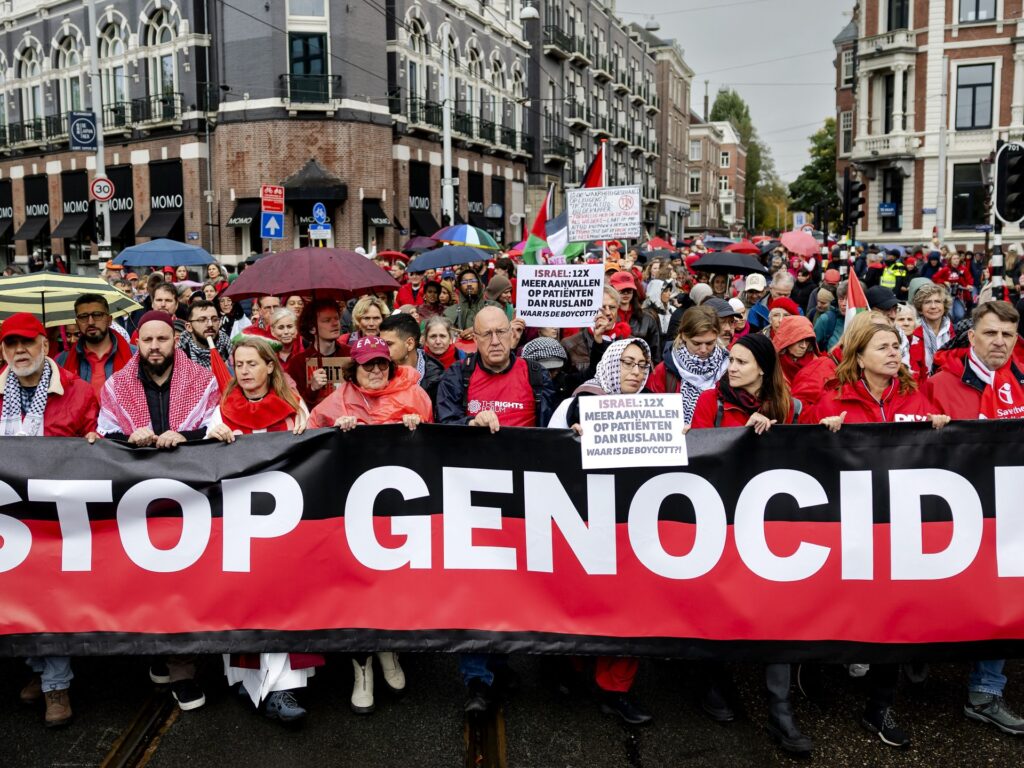
The United Nations General Assembly has recently convened amid a deeply troubling global backdrop marked by multiple ongoing genocides and humanitarian crises. Among the most alarming situations are Israel’s actions in Gaza and Myanmar’s persistent genocide against the Rohingya population—events that underscore the UN’s struggle to fulfill its foundational promise of preventing such atrocities.

Since its inception, the UN has been charged with the vital task of safeguarding human rights and preventing genocides, a mandate that has proven difficult to consistently uphold. History regrettably records at least six notable instances where the UN failed to prevent or effectively intervene in genocidal acts, despite having early warnings and international attention.

One of the most egregious failures was the Rwandan genocide in 1994, where approximately 800,000 Tutsis and moderate Hutus were brutally slaughtered within just 100 days. The UN peacekeeping forces were not only inadequately equipped but also constrained by limited mandates, which severely hampered timely and effective intervention.

Similarly, the atrocities in Srebrenica in 1995, where more than 8,000 Bosniak men and boys were killed, took place under the watch of UN peacekeepers, who were unable to prevent the massacre despite the enclave being designated a UN safe area.

Other failures include the genocidal events in Cambodia under the Khmer Rouge, the mass killing in Darfur, Sudan, and the continuing violence targeting indigenous peoples and ethnic minorities in various parts of the world. Each case highlights the myriad challenges faced by the UN: from geopolitical interests, logistical hurdles, lack of political will among member states, to limitations of international law enforcement.

Today, as the international community watches the unfolding crisis in Gaza, questions mount about the capacity and readiness of the UN to act decisively. Similarly, the Rohingya genocide has persisted for years with limited effective intervention, despite widespread condemnation and documented evidence of atrocities.

Critics argue that the UN’s structure, particularly the Security Council’s composition and the veto power wielded by five permanent members, often paralyzes decisive action. This structural challenge means that strategic geopolitical alliances frequently override the imperative to protect vulnerable populations.

Furthermore, humanitarian access remains a significant hurdle. In many conflict zones, UN agencies and peacekeepers face restrictions imposed by host governments or armed groups, complicating efforts to provide relief and protection.

Despite these challenges, the UN continues to seek reforms and increased cooperation among member states to bolster its capacity for genocide prevention. Initiatives such as the Responsibility to Protect (R2P) doctrine underscore a normative framework aimed at compelling international action when states fail to protect their populations.

However, activists and human rights organizations emphasize the urgent need for the UN to translate rhetoric into concrete actions, ensuring swift responses to emerging genocidal threats. The current crises serve as a stark reminder that prevention is not just a moral imperative but a practical necessity.

In conclusion, while the UN has faced significant setbacks in its mission to prevent genocide, ongoing global crises demand renewed commitment and structural reforms. Only through coordinated international will and robust mechanisms can the international community hope to break the tragic cycle of genocide and uphold the principles upon which the UN was founded.

About Author

admin

See author's posts

Post navigation

Previous Netanyahu Affirms Strong Ties with Trump and Criticizes Turkey Over F-35 Jet Issue
Next Lebanon Latest: Teacher Killed by Israeli Airstrike Amidst Ongoing Strikes

Related Stories

Roadblocks and Burning Tyres Mark Protest Actions Against Power Cuts in Libya

Roadblocks and Burning Tyres Mark Protest Actions Against Power Cuts in Libya

Iran’s Top Trading Partners: Key Targets for U.S. Economic Isolation Strategy

Iran’s Top Trading Partners: Key Targets for U.S. Economic Isolation Strategy

Kremlin Adviser Issues Warning on Potential UK Drone Factory Attacks Amid Tensions Involving Ukraine

Kremlin Adviser Issues Warning on Potential UK Drone Factory Attacks Amid Tensions Involving Ukraine

Entertainment

France and Saudi Arabia to Invest $7 Billion in Amusement Parks Near Paris Including Dragon Ball Z Theme Park 1

France and Saudi Arabia to Invest $7 Billion in Amusement Parks Near Paris Including Dragon Ball Z Theme Park

Macron and MBS Attend Esports World Cup Closing Ceremony as Saudi Arabia Aims for Global Gaming Dominance 2

Macron and MBS Attend Esports World Cup Closing Ceremony as Saudi Arabia Aims for Global Gaming Dominance

Kennedy Center Board Delays Restoration of Trump’s Name Amid Court Order Controversy 3

Kennedy Center Board Delays Restoration of Trump’s Name Amid Court Order Controversy

Angelique Kidjo Makes History with Hollywood Walk of Fame Star 4

Angelique Kidjo Makes History with Hollywood Walk of Fame Star

Tupac Shakur Murder Trial Begins Thirty Years After His Death 5

Tupac Shakur Murder Trial Begins Thirty Years After His Death

‘Truth or fiction’: US trial of Tupac Shakur’s accused killer begins 6

‘Truth or fiction’: US trial of Tupac Shakur’s accused killer begins

The Trial of Duane ‘Keffe D’ Davis: Three Decades Since Tupac Shakur’s Death 7

The Trial of Duane ‘Keffe D’ Davis: Three Decades Since Tupac Shakur’s Death

Top News

Roadblocks and Burning Tyres Mark Protest Actions Against Power Cuts in Libya

Roadblocks and Burning Tyres Mark Protest Actions Against Power Cuts in Libya

Iran’s Top Trading Partners: Key Targets for U.S. Economic Isolation Strategy

Iran’s Top Trading Partners: Key Targets for U.S. Economic Isolation Strategy

Kremlin Adviser Issues Warning on Potential UK Drone Factory Attacks Amid Tensions Involving Ukraine

Kremlin Adviser Issues Warning on Potential UK Drone Factory Attacks Amid Tensions Involving Ukraine

Bangladesh-India Reset Stalls Over Sheikh Hasina: Breaking the Deadlock

Bangladesh-India Reset Stalls Over Sheikh Hasina: Breaking the Deadlock

  • Home
  • About Us
  • Facebook
  • Twitter
  • Instagram
  • Youtube
  • tiktok
Editor: Nur M Tofader, Office: 250 Park Avenue, 7th Floor, New York, NY 10177 & Tell: 718 893 0002 (Office), 7188441300, +1212 401 6266, e-mail: Info@millenniuamtv24.com, e-mail: Info@millenniuamnews24.com, Copyright © Millennium News 24/7 | DarkNews by AF themes.