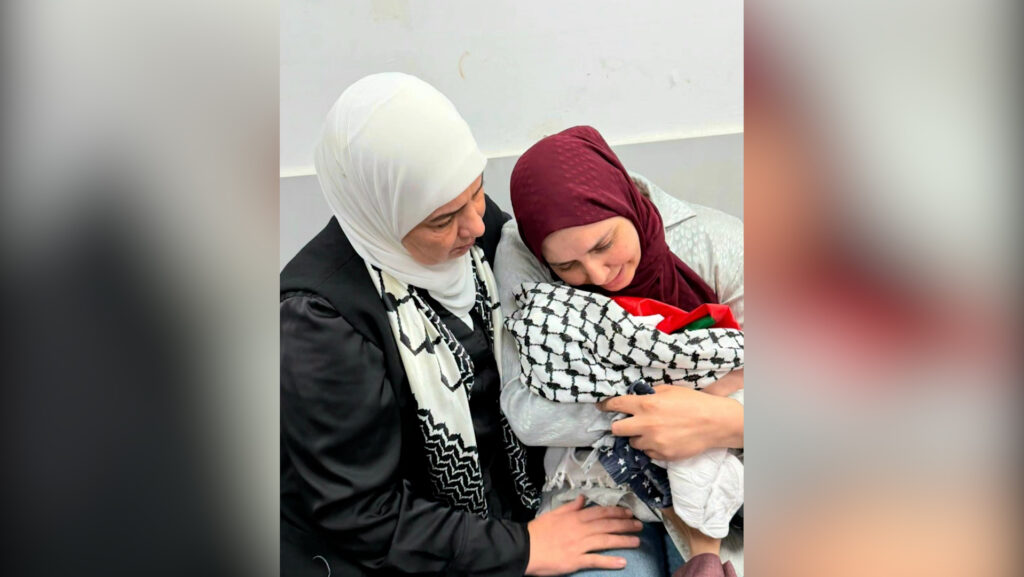
A tragic incident has occurred in the occupied West Bank where a baby died after his family’s urgent attempt to reach a hospital was blocked by Israeli troops at a checkpoint. The family was reportedly seeking immediate medical help for the baby, but the obstruction at the checkpoint delayed their journey critically.
The occupied West Bank, a region frequently affected by conflict and military control, has several checkpoints overseen by Israeli troops. These checkpoints are often positioned to monitor and control movement within the area, but they can also cause severe delays, particularly in emergencies.
In this heartbreaking case, the baby needed prompt medical attention, yet the family’s passage through the checkpoint was impeded. The delay reportedly contributed directly to the child’s death, raising significant concerns about the humanitarian impact of such security measures.
This incident highlights the ongoing tension between security protocols and the urgent needs of residents in the occupied territories. Human rights organizations have condemned the blockage, calling it a violation of medical neutrality and a breach of basic humanitarian principles.
According to witnesses, the family pleaded for passage, explaining the critical condition of the baby, but were not granted immediate access. This has sparked outrage and calls for a review of checkpoint policies, emphasizing the need for emergency medical access to be prioritized unequivocally.
The Israeli military has not commented officially on the specific incident but maintains that checkpoints are essential for security and preventing violence. However, they have occasionally introduced measures for medical emergencies, which proponents argue need stricter and clearer enforcement.
Residents of the West Bank face daily difficulties due to military occupation, including restricted movement, which affects health, education, and economic opportunities. The death of the baby underscores the detrimental human cost of prolonged conflict and occupation.
International bodies have repeatedly urged both Israel and the Palestinian authorities to ensure that medical emergencies are handled with the utmost urgency and without obstruction. This tragedy serves as a grim reminder of the stakes involved.
The family of the deceased baby has called for justice and accountability, seeking an end to the policies that led to this devastating outcome. Community leaders and activists are mobilizing to bring international attention to the plight of those living under occupation.
Medical professionals on the ground have expressed grave concern over similar occurrences that may have gone unreported, stressing the need for immediate reforms in how emergency situations are managed at checkpoints.
The incident has also drawn criticism from global human rights organizations that advocate for the freedom of movement and access to healthcare as fundamental rights.
This calamitous loss sets a tragic precedent and intensifies the call for peaceful resolution and humanitarian considerations in the management of the occupied territories.
As the community mourns the loss, the broader implications for policy and human rights continue to resonate deeply. The international community faces renewed pressure to address these ongoing humanitarian issues with urgency and empathy.
The incident remains under investigation, and the family’s loss continues to catalyze discussions on how to better protect vulnerable populations amid complex security realities.
Ultimately, the death of the baby is a somber reflection of the profound human suffering engendered by the protracted conflict and occupation—a call to action for all parties involved to prioritize life and dignity above security restrictions.