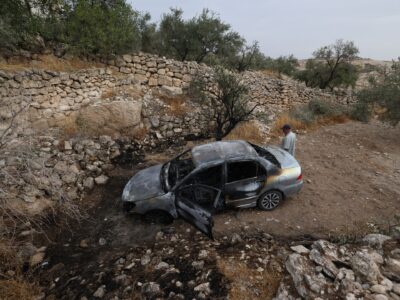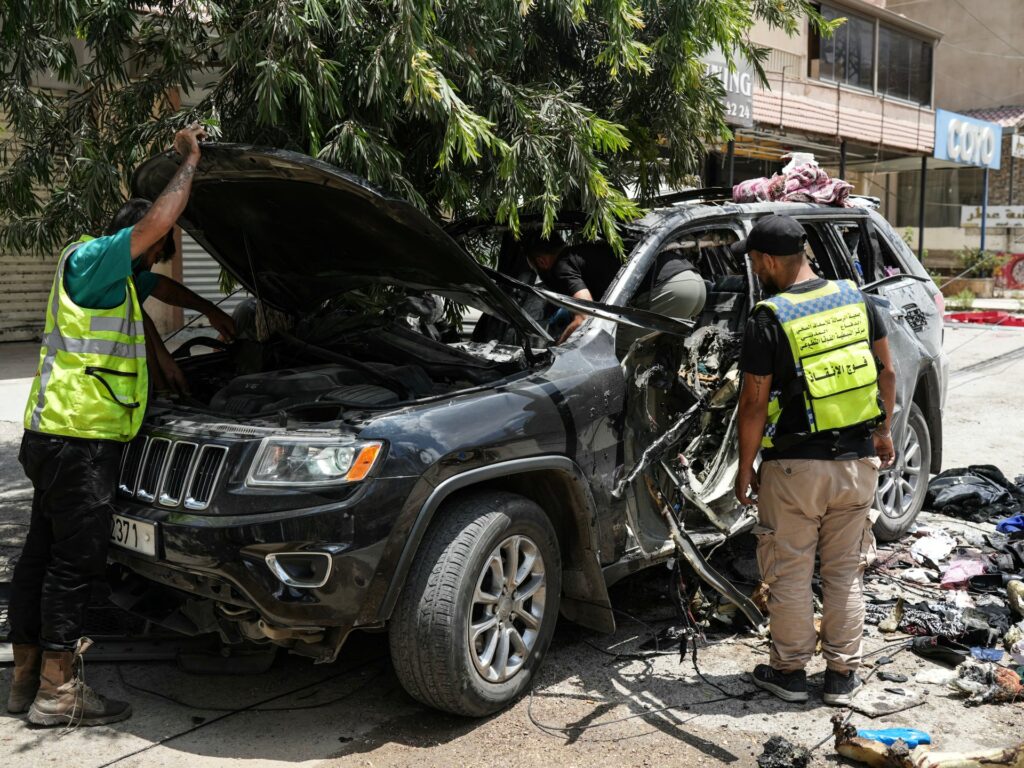
In a significant escalation of violence in the volatile region of southern Lebanon, an Israeli attack on a vehicle has resulted in the deaths of at least four individuals. This incident underscores the fragile nature of the current ceasefire agreement brokered by the United States, which aimed to quell hostilities between Israel and various militant groups operating in Lebanon.
The targeted vehicle was struck by Israeli forces in southern Lebanon, a region that has frequently been a hotspot for clashes between Israel and Hezbollah, the militant group based in Lebanon. Details about the individuals in the vehicle and their affiliations remain unclear, but the attack has sparked condemnation from Lebanese authorities and criticism from international observers who fear a wider conflict.
Despite the US-mediated ceasefire, Israeli military operations in southern Lebanon have persisted, highlighting the challenges involved in maintaining peace in an area fraught with longstanding political and sectarian tensions. The ceasefire was intended to halt aggressive actions and bring about a reduction in hostilities following a period of intensified confrontations.
The international community has expressed concern over the sustained violence, calling on all parties to adhere strictly to the terms of the ceasefire. UN officials have urged restraint and emphasized the necessity of dialogue to prevent further loss of life and a potential escalation into a broader conflict.
The Lebanese government has condemned the attack, demanding accountability and calling on the international community to take measures to enforce the ceasefire. Humanitarian organizations have also voiced alarm over the impact of renewed violence on civilian populations in the border areas.
Analysts point out that while the ceasefire established a framework for peace, the underlying issues between Israel and militant factions in Lebanon remain unresolved. The continued Israeli strikes signify that tensions are far from settled, and any misstep could trigger a resurgence of widespread violence.
The situation remains fluid, with diplomatic efforts ongoing to stabilize the region. Stakeholders are advocating for renewed talks aimed at addressing the root causes of the conflict, including territorial disputes, security concerns, and political recognition issues.
As the situation develops, the plight of civilians caught in the crossfire continues to draw international humanitarian attention, emphasizing the urgent need for a durable and comprehensive peace agreement that can prevent further bloodshed in southern Lebanon.