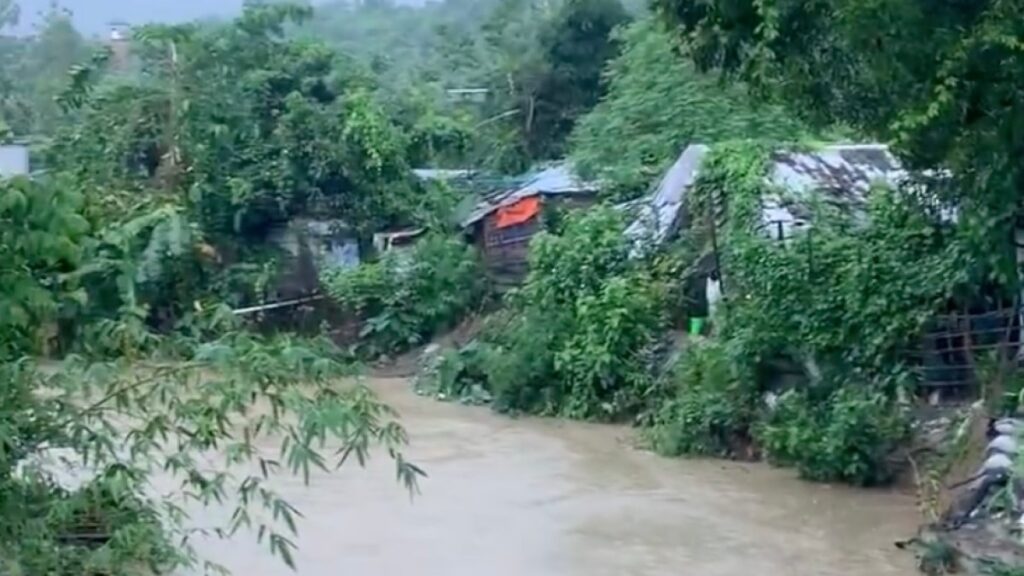
In a tragic turn of events, several refugees have been killed due to landslides occurring at the Rohingya camps in Bangladesh. These camps, home to hundreds of thousands of Rohingya fleeing persecution in Myanmar, are situated in precarious hilly regions that are vulnerable to natural disasters.
The recent heavy monsoon rains have triggered multiple landslides, devastating the makeshift shelters and causing significant loss of life and property. Reports indicate that the landslides struck suddenly, burying many refugees under mud and debris, and the emergency response teams have been struggling to reach the affected sites due to difficult terrain and ongoing rains.
Humanitarian agencies operating in the camps have expressed deep concern over the living conditions and the continuous risks posed by the unstable terrain. The Rohingya refugees, already facing dire circumstances with limited resources, are now caught in a deadly situation exacerbated by natural calamities.
Rescue and relief operations are underway, but the scale of destruction has overwhelmed local capacities. Aid organizations are urgently calling for additional support to provide medical assistance, temporary shelters, food, and clean water to the displaced populations.
The Bangladesh government and international community face increasing pressure to enhance infrastructure, improve disaster preparedness, and ensure safer, more permanent living conditions for the Rohingya refugees.
This tragic event highlights the vulnerabilities of displaced populations living in unstable environments and underscores the need for urgent action to address both humanitarian needs and disaster risk reduction in refugee settlements.
Efforts to relocate refugees to safer areas or to bolster protective measures within current camps are being discussed, but the complexities of political, logistical, and financial challenges continue to delay immediate solutions.
As the monsoon season progresses, the risk of further landslides remains high, prompting fears of additional casualties and exacerbated humanitarian crises in the region.
This incident serves as a grim reminder of the precarious situation that refugees worldwide often endure and calls for renewed global commitment to their protection and support.