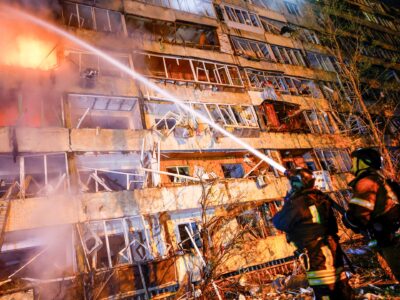
In a dramatic and tragic turn of events, Iran is engulfed in mourning following the death of its late Supreme Leader Ali Khamenei and several members of his family in a US-Israeli airstrike on February 28. This unprecedented attack has sent shockwaves through the region and sparked widespread grief and outrage.
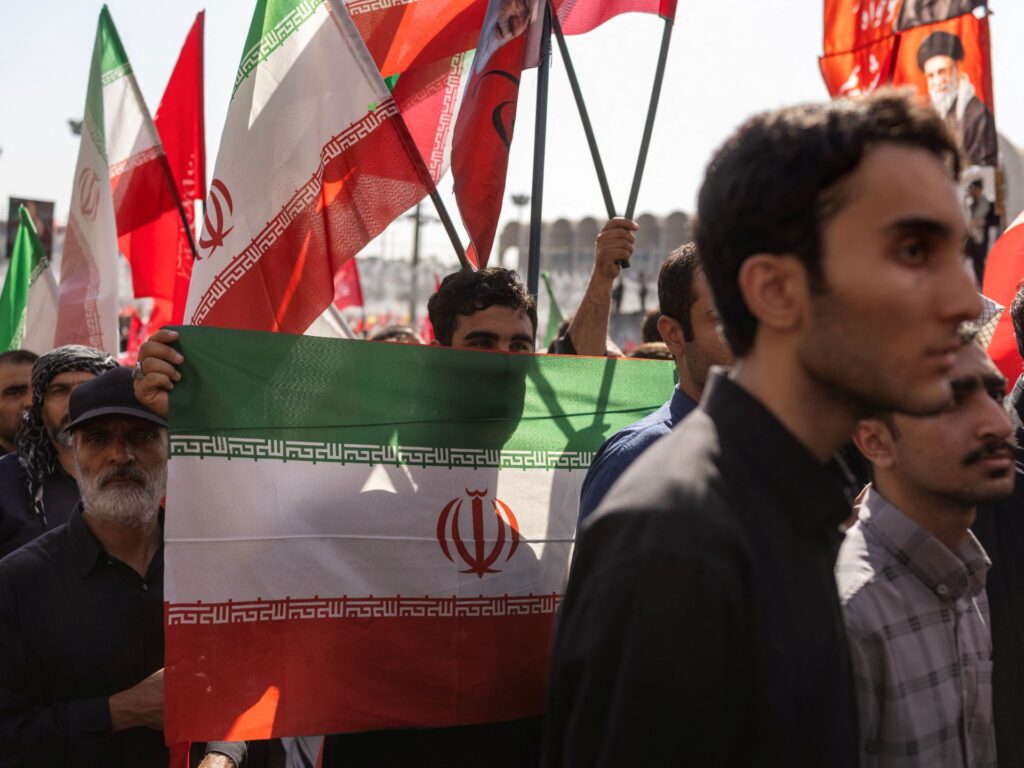
Millions of Iranians have taken to the streets to honor Khamenei, whose leadership was a central figure in the country’s political and religious landscape. The massive public mourning underscores his influence and the profound impact of his loss on the nation’s psyche.
The attack, reportedly a joint operation by the United States and Israel, struck at the heart of Iran’s leadership, raising concerns about escalating conflict in an already volatile Middle East. Analysts warn that this incident could trigger a series of retaliations, potentially destabilizing the region further.
Adding to the geopolitical tension, former US President Donald Trump hinted at a forthcoming meeting with Israeli Prime Minister Benjamin Netanyahu. While details remain unclear, this development suggests continued close coordination between the US and Israel regarding their strategic approach to Iran.
The killing of Khamenei, a figure synonymous with the Islamic Revolution, marks a historic and symbolic moment. His demise creates a power vacuum and uncertainty within Iran’s complex political system. The Iranian government is faced with the immediate challenge of managing national grief while preparing for potential repercussions.
International reactions have been mixed, with some countries condemning the airstrike and others expressing cautious support for actions against Iran’s leadership. The United Nations and various global powers have called for restraint to avoid a broader conflict.
Iranian officials have vowed to respond decisively to the attack, signaling potential military and diplomatic retaliations. Meanwhile, citizens continue to express their sorrow and defiance, highlighting the deep nationalistic sentiment stirred by this loss.
The Middle East now stands at a critical juncture, with the possibility of heightened hostilities looming. The death of Supreme Leader Khamenei and the subsequent mourning across Iran exemplify the profound consequences of geopolitical conflicts and the fragile nature of peace in the region.
As the situation develops, the world watches closely, hoping for a resolution that avoids further bloodshed while grappling with the aftermath of a historic and devastating strike.