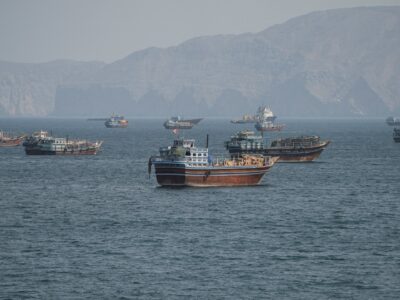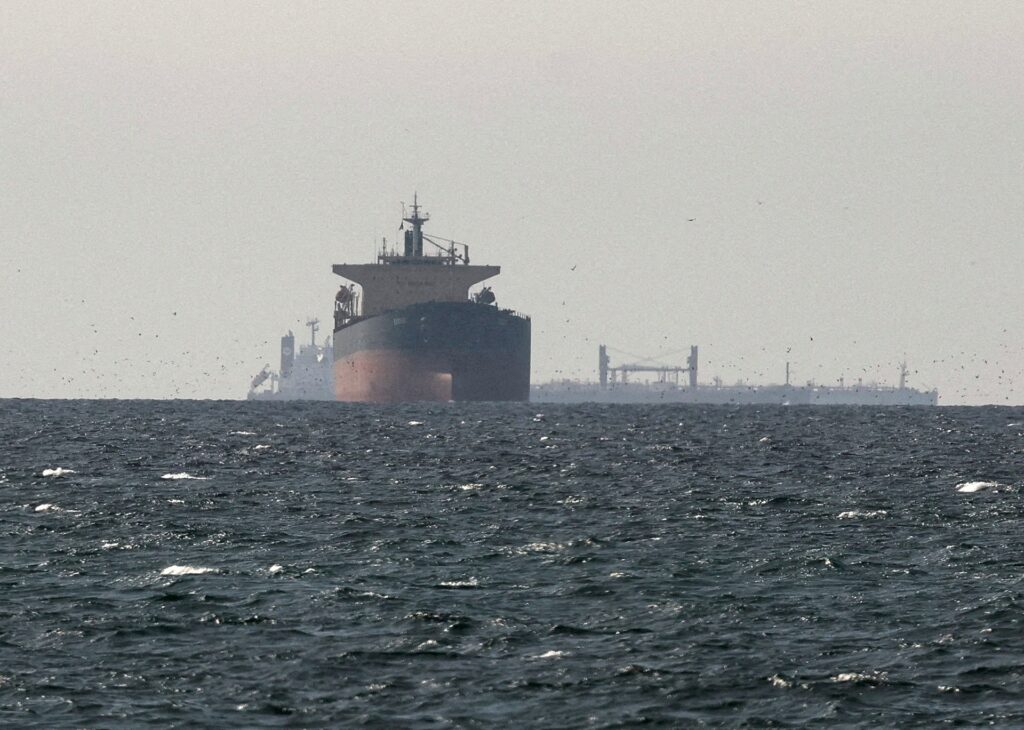
In a recent announcement that stirs geopolitical waters, Iran’s ambassador to China has promised ‘special’ treatment for friendly countries transiting the strategically vital Strait of Hormuz. This vow is shaping up to redefine maritime protocols in one of the world’s most critical oil transit chokepoints.
The Strait of Hormuz, a narrow waterway between the Persian Gulf and the Gulf of Oman, is globally recognized as a crucial passage for energy supplies, with a significant share of the world’s petroleum passing through it daily. Iran, exercising control over one of the straits’ shores, has long been a key player in the region’s maritime security and geopolitical dynamics.
Iran’s ambassador to China emphasized that the country will be implementing new transit fees for vessels navigating this strategic strait. The fees differentiate between nations, offering favorable conditions to those deemed “friendly,” a classification that naturally includes China and possibly other allies. This introduces a tiered approach to maritime passage fees, a departure from traditional uniform transit tolls.
This announcement has come despite vocal objections from the United States, which has consistently advocated for free navigation through international waters, including the Strait of Hormuz. The US government argues that imposing new fees on commercial shipping threatens the principle of free navigation and could escalate tensions in an already volatile region.
Iran’s move to levy new fees can be seen as part of its broader strategy to assert greater control over the strait, leveraging its geographical advantage. By offering ‘special’ treatment to friendly nations, Iran is signaling a shift towards more nuanced diplomacy embedded in economic and strategic incentives.
Analysts suggest that charging fees based on diplomatic ties may create divisions among countries using the strait, potentially complicating international maritime law and regional security.
The timing of this announcement also coincides with Iran’s efforts to deepen ties with China, reflecting the broader realignment of alliances in the Middle East influenced by emerging global power dynamics. China’s growing demand for energy and its interest in securing stable supply routes make favorable treatment from Iran particularly beneficial.
Shipping companies and international maritime organizations are closely watching the developments, concerned about the implications for shipping costs and the safety of vessels transiting the strait.
The Iranian ambassador’s statement underscores Tehran’s intent to solidify relationships with allies while simultaneously asserting its sovereignty over a critical international waterway. The move has reignited debates on maritime rights, economic leverage in diplomacy, and the balance of power in one of the world’s most sensitive geopolitical hotspots.
As the global community awaits further clarifications on the implementation of these fees, the situation in the Strait of Hormuz remains a focal point of international attention, symbolizing the intersection of strategic interests, international law, and regional alliances.