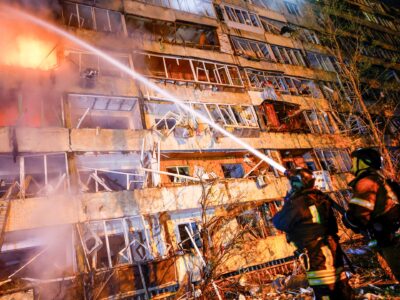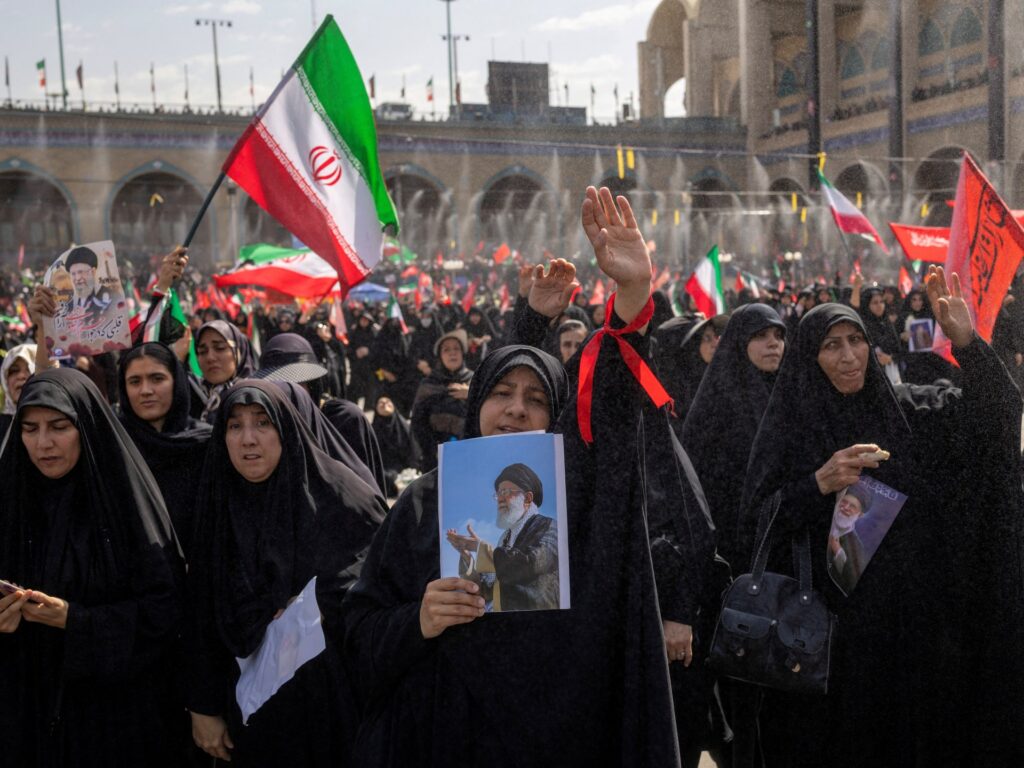
In a dramatic escalation of the ongoing conflict in the Middle East, millions across Iran are mourning the death of Supreme Leader Ali Khamenei, who was reportedly killed in a joint US-Israeli air strike. The strike, which occurred in February, also claimed the lives of several members of Khamenei’s family, deepening the crisis in the region.
The loss of Khamenei, who has been a central figure in Iranian politics and religious leadership for decades, marks a significant turn in the power dynamics of Iran. His death has triggered widespread grief and unrest among Iranians, with massive public mourning events observed nationwide. The Supreme Leader was often seen not just as a political figure but also as a spiritual guide, making his loss deeply personal to millions.
Following the attack, Iran has faced escalating military and social turmoil, with anti-American sentiment reaching new heights. The Iranian government has vowed to retaliate strongly, warning the global community of potential further conflicts.
As the fallout continues, former US President Donald Trump has hinted at a forthcoming meeting with Israeli Prime Minister Benjamin Netanyahu. This potential meeting suggests ongoing coordination between the US and Israel concerning the Iran situation, raising questions about future diplomatic and military strategies.
The international community remains on edge as these developments unfold. Experts warn that the death of such a significant leader could lead to unpredictable consequences, including intensified regional conflict and global diplomatic strain.
Iran’s allies and adversaries alike are watching closely as the country seeks stability amid its leadership vacuum. Analyses suggest that factions within Iran may now vie for power, which could either lead to reform or deepen internal divisions.
Meanwhile, worldwide calls for peace and negotiation efforts have intensified. Various countries and international organizations are urging restraint and dialogue to prevent a wider escalation that could engulf the region in prolonged warfare.
The impact of Khamenei’s death extends beyond political circles; it affects the cultural and religious fabric of Iran. Memorial services are being held in cities worldwide, highlighting the leader’s deep influence on Shia Islam and Middle Eastern politics.
As the situation continues to evolve, the world watches with bated breath, hoping that diplomacy will prevail over further conflict. The coming weeks are expected to be pivotal for Iran’s future and for regional stability in the Middle East.