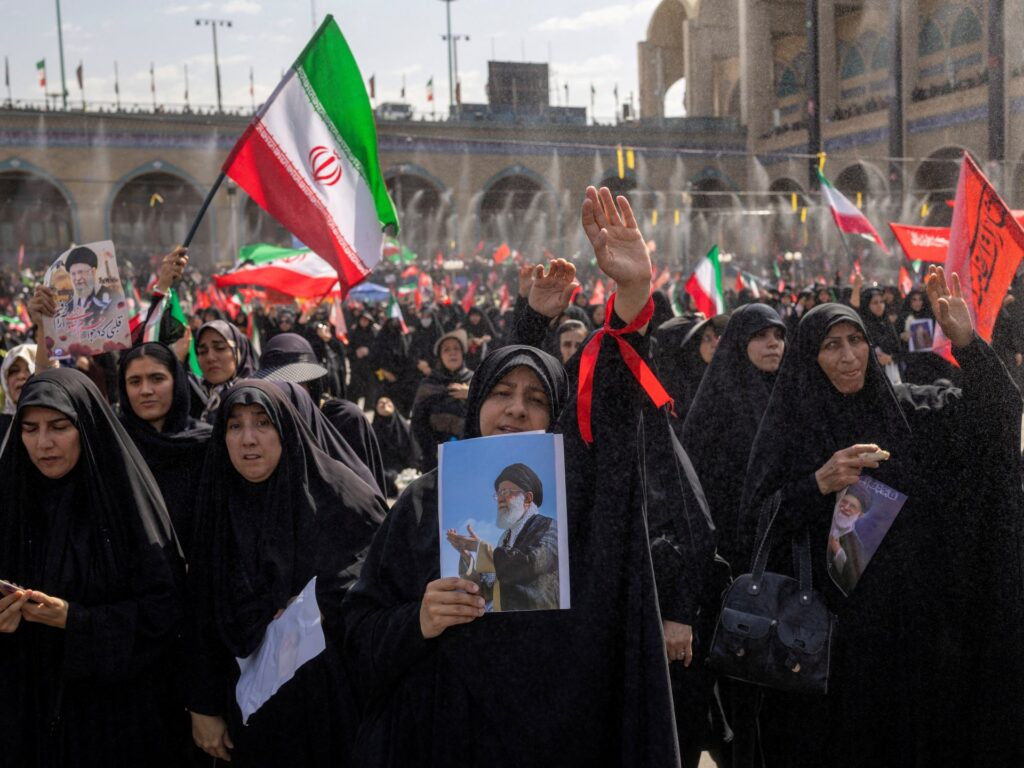
In a dramatic turn of events in the ongoing conflict involving Iran, huge crowds have gathered to mourn the death of Iran’s Supreme Leader, Ali Khamenei, who was reportedly killed along with members of his family in a US-Israeli air strike in February. This attack marks a significant escalation in tensions between Iran and the United States, as well as Israel, highlighting the ongoing volatility in the Middle East region.
The death of Khamenei, a pivotal figure in Iranian politics and religious leadership for decades, has sent shockwaves through the country and the international community. His leadership was central to Iran’s domestic policy and its stance on foreign affairs, especially relating to its contentious relationships with Western nations and neighboring countries.
Massive crowds have been reported at mourning ceremonies across Iran, reflecting the deep reverence and support he commanded among large segments of the population. The gatherings are not only a display of grief but also serve as a potent symbol of national unity and resistance against foreign intervention.
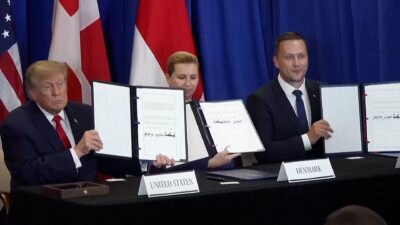
In the wake of this attack, former US President Donald Trump has hinted at a possible meeting with Israeli Prime Minister Benjamin Netanyahu, signaling a potential strategic alignment or consultation as the situation develops. Trump’s involvement and comments add a layer of complexity to the international diplomacy surrounding the conflict.
The US-Israeli air strike, which resulted in the deaths of Khamenei and his family members, underscores the intense and covert nature of the regional power struggle. Both nations have long been at odds with Iran, accusing it of fostering terrorism and destabilizing the region through various proxy groups and military activities.
Iran’s response to the killing has been one of condemnation and vows of retaliation. Iranian officials have declared this act a grave violation of their sovereignty and a war crime, further escalating the rhetoric and the potential for more direct confrontations.
International reactions have been mixed, with some countries condemning the air strike and others cautiously supporting the actions as a measure against terrorism and destabilizing forces. The United Nations and various human rights organizations have called for restraint and dialogue to prevent further bloodshed.
This incident also raises concerns about the safety and stability of the entire Middle East, given Iran’s significant influence as a regional power. Economically and politically, the region faces heightened instability, with global oil markets already sensitive to any disruptions.
Experts predict that the killing of Khamenei will lead to a shift in Iran’s internal dynamics and its external policies. The new leadership is expected to adopt a tougher stance against perceived enemies, potentially increasing support for allied groups in Lebanon, Syria, and beyond.
For the world, the repercussions of this conflict could be far-reaching. With alliances and enmities deeply entrenched, the risk of a wider war remains high. Diplomatic channels are being urged to intensify efforts to mediate and de-escalate tensions.
As the situation continues to evolve, countries around the globe watch closely, anticipating how the power vacuum left by Khamenei’s death will reshape the geopolitics of the region. The coming weeks and months are critical for determining whether this tragic event will spiral into broader conflict or lead to new opportunities for peace negotiations.
For now, Iran mourns a leader whose impact on the nation was profound, while the world braces for the uncertain future that this incident portends. The intersection of local grief and international diplomacy encapsulates the complex realities facing the Middle East today.