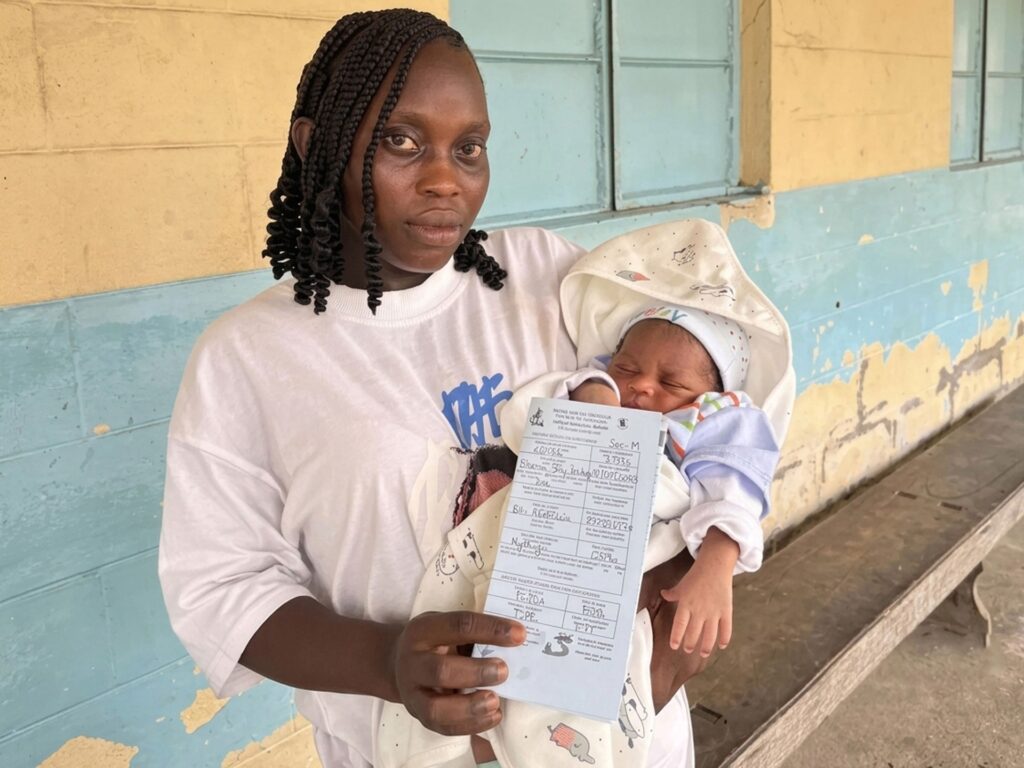
In Cameroon, a country determined to secure the rights and futures of its children, the challenge of registering every newborn is a high priority. Birth registration is a fundamental human right that provides each child with a name, an identity, and access to essential services like healthcare, education, and legal protection. Despite ongoing efforts, millions of children in Cameroon remain undocumented, which can severely limit their opportunities and protections.
Historically, birth registration in Cameroon has faced numerous obstacles, including logistical difficulties, lack of awareness among parents, and insufficient infrastructure in rural and conflict-affected areas. The government, along with international partners and civil society organizations, has been working to overcome these challenges through innovative approaches.
Recent initiatives have focused on decentralizing birth registration services, making them more accessible at local levels—especially in remote and underserved communities. Mobile registration units have been deployed to reach families who cannot easily access civil registration offices. Additionally, campaigns to educate parents about the importance of birth certificates are being conducted to encourage timely registration.
Technology is also playing a crucial role. Digital systems for birth registration are being introduced to streamline the process and maintain accurate records. These systems help reduce errors and delays, ensuring that each child’s information is securely stored and easily retrievable.
Despite these positive developments, the pace of registration must accelerate to reach the millions of children still without documentation. Unregistered children face risks such as being excluded from social services, vulnerability to exploitation, and difficulty proving their citizenship. Without a birth certificate, their future remains uncertain and precarious.
To address these issues more comprehensively, collaboration between government agencies, NGOs, and community leaders is essential. Policies need to be inclusive and culturally sensitive to ensure that all segments of the population are reached. Special attention must also be given to marginalized groups, including displaced populations and children born in conflict zones.
Moreover, sustainable funding and political commitment are necessary to maintain and expand birth registration efforts. Ensuring accurate and universal coverage requires ongoing investment in training personnel, improving infrastructure, and leveraging new technologies.
Cameroon’s fight to register every child is not simply a bureaucratic task but a vital step towards securing the dignity, rights, and future prospects of its youngest citizens. A name and a document symbolize a child’s rightful place in society and lay the foundation for a more equitable and prosperous nation.
As awareness grows and systems improve, there is cautious optimism that Cameroon will bridge the gap, giving every child the chance to be recognized, cared for, and empowered to achieve their full potential. Birth registration signifies a commitment to the next generation—a promise that no child will be left invisible or forgotten.