In a dramatic escalation of conflict, Iran is grappling with profound national grief following the death of its Supreme Leader Ali Khamenei and several members of his family. They were reportedly killed in a US-Israeli airstrike conducted earlier in February, marking a significant intensification in the already heightened tensions in the Middle East.
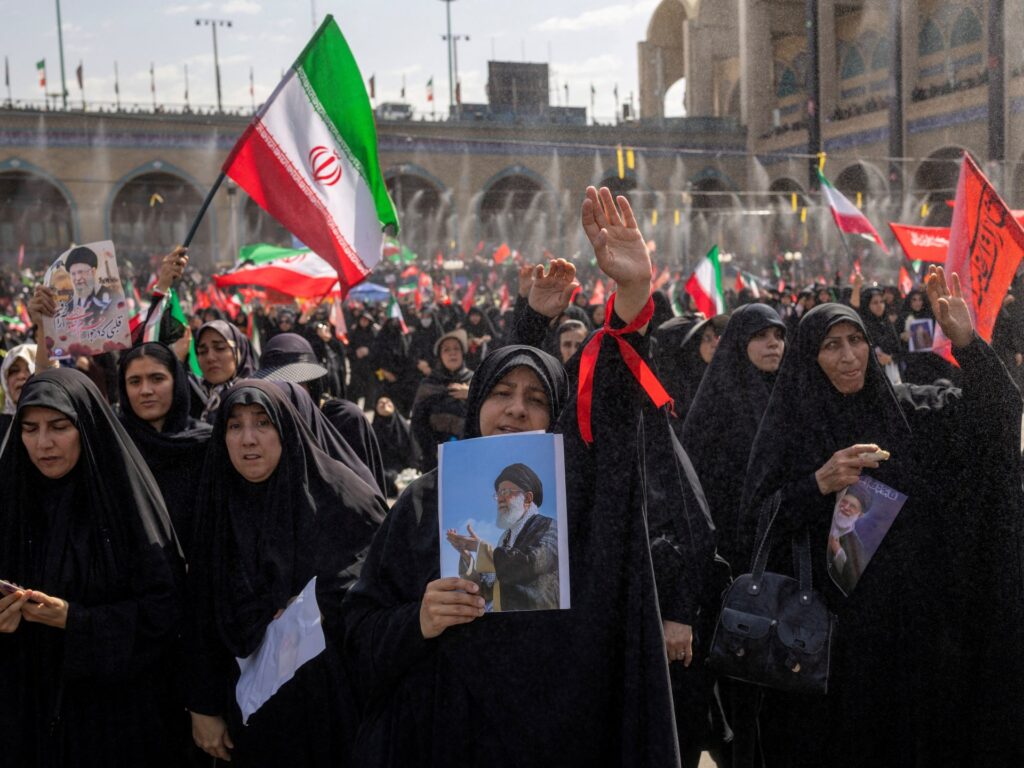
The news of Khamenei’s death has led to huge crowds gathering across Iranian cities, participating in widespread mourning ceremonies. Citizens have taken to the streets, showing deep sorrow and solidarity, reflecting the immense impact of losing a figure central to the nation’s political and religious leadership.
Khamenei’s death represents not just a loss of a leader but a seismic moment with potential far-reaching consequences for Iranian politics and the region’s stability. The Supreme Leader was a pivotal figure in shaping the country’s trajectory for decades, and his absence creates a significant power vacuum.
The US and Israeli governments have confirmed the airstrike, defending it as a targeted operation aimed at destabilizing key Iranian military resources. However, the attack has been met with global criticism and fears of a broader conflict erupting.
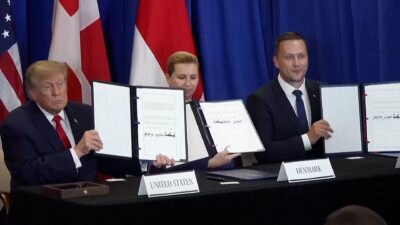
In an effort to manage the fallout, former U.S. President Donald Trump has issued a statement vowing to hold fire, emphasizing the importance of measured responses to prevent further escalation. His declaration has been seen as a move toward de-escalation amid growing international concern over potential retaliatory actions.
Regional powers and global leaders are closely monitoring the situation. The strike and the subsequent unrest have triggered emergency meetings within the United Nations, with calls for restraint and dialogue to avoid a full-scale war.
Meanwhile, Iranian military officials have declared a state of high alert, raising concerns about increased preparedness for retaliatory strikes. The country’s political factions are also navigating a complex environment, balancing national unity with the pressures to respond decisively.
The impact of Khamenei’s death will likely influence not only Iranian domestic affairs but also its foreign policy, particularly its relations with the West, its neighbors, and international entities.
Iranian citizens, while mourning, are faced with uncertainty about the future direction of their country. The collective grief is compounded by the anxiety of what the leadership transition will entail in such a volatile period.
Human rights organizations and international observers have urged all parties to ensure civilian protection and to prioritize humanitarian considerations amid the crisis.
The coming weeks are expected to be critical in determining the region’s trajectory. Analysts suggest that diplomatic initiatives and backdoor negotiations could play a crucial role in de-escalating tensions.
In summary, the assassination of Supreme Leader Ali Khamenei in a US-Israeli airstrike has plunged Iran into deep mourning and political uncertainty. With huge crowds gathering in grief and Donald Trump’s promise to hold fire, the world watches closely as Iran navigates this pivotal moment, hoping for peace but preparing for the unpredictable consequences of this significant geopolitical shift.