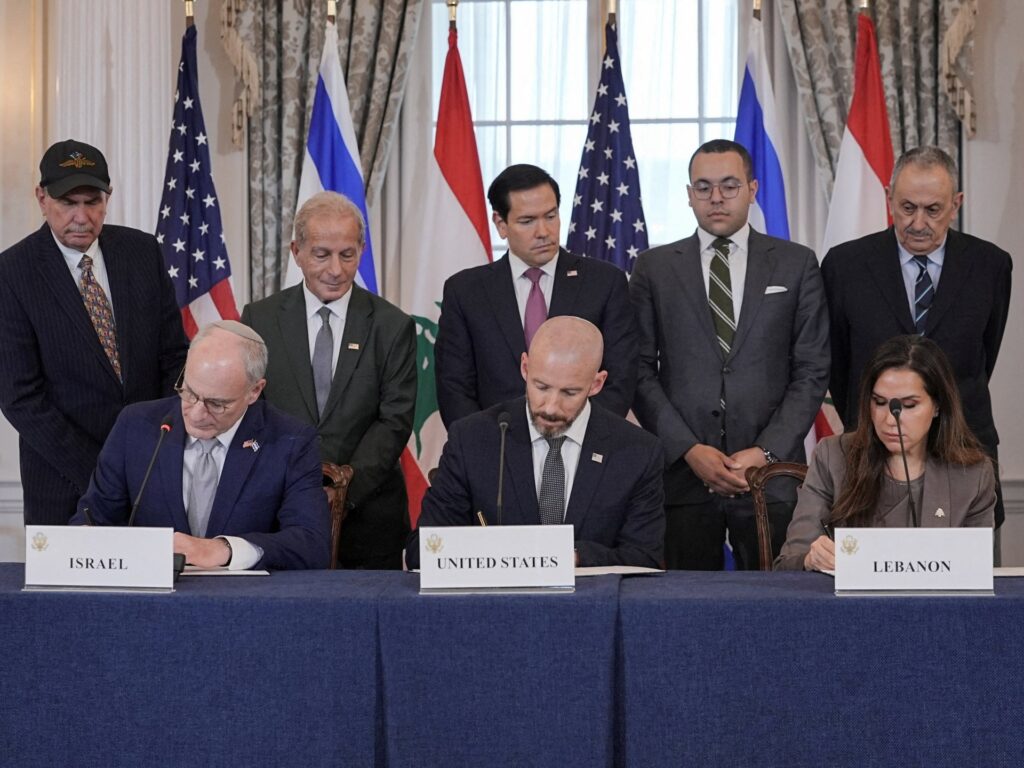
A controversial agreement between Lebanon and Israel regarding maritime borders and gas exploration rights has drawn strong criticism from human rights and media freedom organizations. These groups argue that the deal effectively betrays victims of past war crimes by preventing them from seeking justice through international courts.
The deal, which delineates maritime boundaries between the two nations in the Eastern Mediterranean, was praised by some as a step toward economic cooperation and regional stability. However, human rights advocates feel this progress comes at a grave moral cost.
According to these organizations, the agreement indirectly obstructs legal recourse for victims of war crimes committed during numerous conflicts between Lebanon and Israel. It is feared that the pact includes clauses that preclude any attempts to hold perpetrators accountable via international judicial mechanisms.
Such concerns come against the backdrop of decades-long tensions and conflicts in the region, during which numerous civilians suffered from violence and abuses that many human rights bodies have classified as war crimes.
Media freedom groups also express alarm that the deal’s political implications may suppress investigative journalism into these crimes, reducing public awareness and accountability.
Critics underscore that the deal prioritizes economic benefits over human rights and justice, highlighting the risks of sidelining victims’ needs in favor of geopolitical and commercial interests.
The agreement, brokered with international mediation, is seen by its proponents as a pragmatic resolution to a long-standing dispute, potentially opening avenues for energy exploration and economic growth.
Yet, the calls from human rights groups for revision or supplementary agreements to safeguard victims’ rights remain potent and urgent.
International human rights entities have urged both Lebanon and Israel to ensure that the deal does not inhibit ongoing or future investigations into war crimes, stressing the importance of accountability for lasting peace.
In conclusion, while the Lebanon-Israel maritime deal may signify diplomatic progress, it has ignited a significant debate about balancing economic cooperation with honoring the demands of justice for war crime victims and maintaining press freedoms in the region.