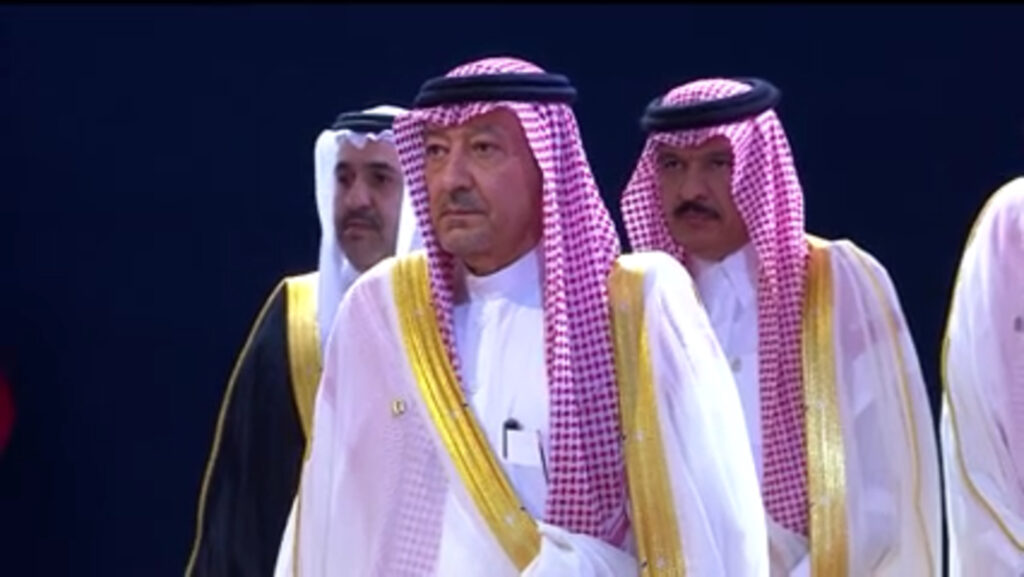
In a surprising diplomatic gesture, Saudi Arabia’s Vice Foreign Minister Walid al-Khuraiji attended the funeral of Iran’s former Supreme Leader, Ayatollah Ali Khamenei. The attendance was unexpected given the often tense relations between Saudi Arabia and Iran, two dominant regional powers in the Middle East.
Walid al-Khuraiji’s presence at the funeral marks a rare moment of respect and formal recognition from the Kingdom of Saudi Arabia toward the Iranian leadership. The funeral was a significant event, drawing mourners and dignitaries from across Iran and multiple countries.
This act may signal a potential thawing or recalibration in the usually fraught diplomatic relationship between Riyadh and Tehran. Analysts are watching closely to see if this attendance leads to further engagements or a shift in regional diplomacy.
Saudi Arabia and Iran have a long history of rivalry, often expressed through proxy conflicts and divergent political agendas throughout the Middle East. However, recent months have seen sporadic efforts at dialogue and easing of tensions between the two states.
The attendance of a high-ranking Saudi official at such a sensitive and symbolic event underscores the complexities and evolving nature of Middle Eastern geopolitics.
Observers note that this could be part of broader regional efforts to manage conflicts, enhance communication, and possibly pave the way for more stable relations.
Walid al-Khuraiji’s attendance also reflects the Kingdom’s nuanced diplomatic strategy, balancing traditional oppositions with emerging geopolitical realities.
The funeral itself was a solemn event held in Tehran, attended by numerous Iranian officials, religious leaders, and foreign representatives.
Ayatollah Khamenei was a deeply influential figure in Iran’s modern history, having succeeded Ruhollah Khomeini as the Supreme Leader and shaped Iran’s domestic policies and international stance for decades.
His passing marks the end of an era in Iranian politics, prompting widespread reflection across the region about future leadership directions.
Saudi media has reported the attendance as a notable moment, potentially encouraging dialogue and an easing of longstanding tensions.
International analysts suggest this might be a symbolic opening toward diplomatic engagement amid the complex geopolitical challenges facing the Middle East.
The interaction during the funeral could set a precedent for future direct contacts or negotiations between the two rival states.
It remains to be seen whether this diplomatic gesture will lead to substantive changes in Saudi-Iranian relations or remain a symbolic act.
Nevertheless, Walid al-Khuraiji’s unexpected attendance at Khamenei’s funeral has already attracted significant attention from political commentators and regional experts.
Many hope this move might contribute to a more peaceful and cooperative regional environment in the coming years.