Iran has commenced a solemn week of funeral ceremonies honoring the recently slain Supreme Leader, Ayatollah Ali Khamenei. The revered leader, who played a pivotal role in shaping Iran’s political and religious landscape, was killed in a joint US-Israeli strike in February, an event that has sent shockwaves through the nation and the broader Middle East region.
Top Iranian officials, including government ministers, military leaders, and religious figures, have gathered in Tehran to pay their respects. The ceremonies have also attracted foreign dignitaries and diplomats, reflecting the global significance of Khamenei’s leadership and the geopolitical ramifications of his untimely death.
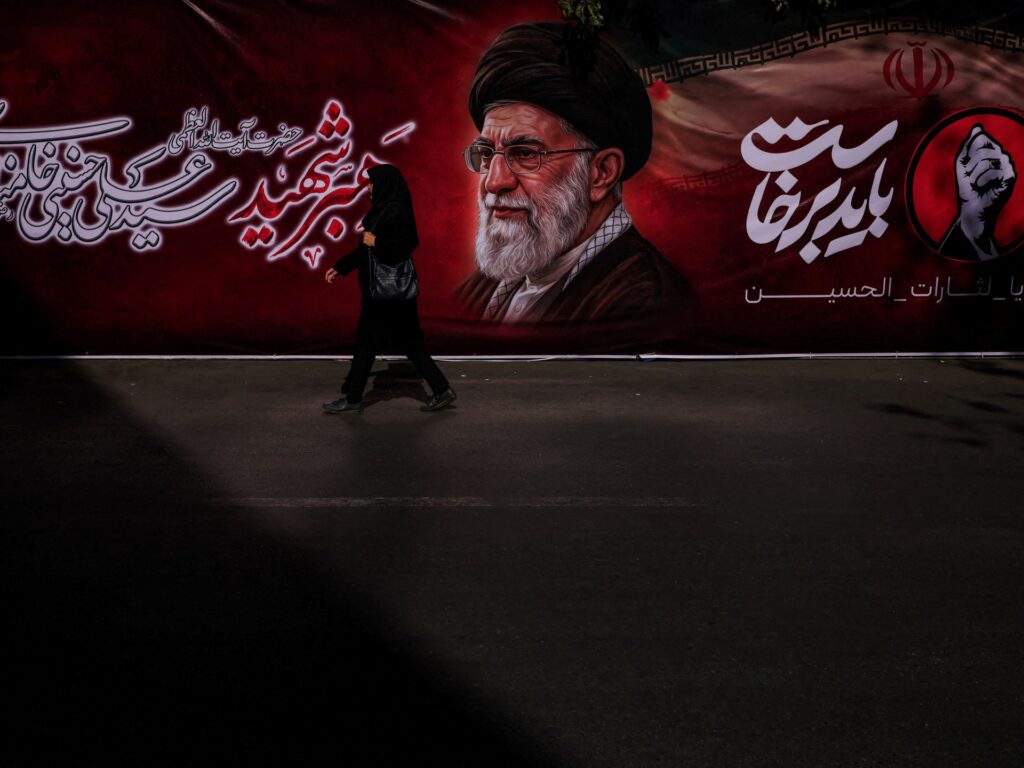
The week of mourning is marked by a series of rituals, public prayers, and memorial services held at key locations across Iran. Large crowds of mourners have assembled to express their grief and solidarity, underscoring Khamenei’s deep connection with the Iranian people. Streets are adorned with black banners and portraits of the late leader, highlighting the nation’s collective sense of loss.
Khamenei’s leadership spanned several decades, during which he was a central figure in Iran’s Islamic Revolution and a staunch advocate of its sovereignty and ideology. His death has raised questions about the succession of power within Iran’s unique political system, where the Supreme Leader holds considerable influence over all branches of government and the military.
The joint US-Israeli strike that resulted in Khamenei’s death was reportedly a highly coordinated and secretive operation, signifying escalating tensions between Iran and its adversaries. The incident has amplified already fraught relations in the Middle East, with potential implications for regional security and international diplomacy.
In response to Khamenei’s assassination, Iranian leaders have vowed to pursue a path of resistance against foreign intervention and to uphold the principles he championed throughout his tenure. There is an emphasis on national unity and resilience amid this challenging period.
International reactions to the strike and subsequent funeral ceremonies have been varied. Some countries have condemned the attack as an act of aggression, while others have expressed cautious support for efforts to curtail Iran’s military ambitions.
As Iran navigates this critical juncture, the week of funeral ceremonies serves not only as a tribute to Ayatollah Khamenei’s legacy but also as a moment of reflection on the future direction of the nation. The coming days will likely see developments in Iran’s political hierarchy and its approach to foreign relations.
The death of Supreme Leader Khamenei marks a historic moment for Iran, with the funeral ceremonies symbolizing both mourning and renewal for a nation at a crossroads.