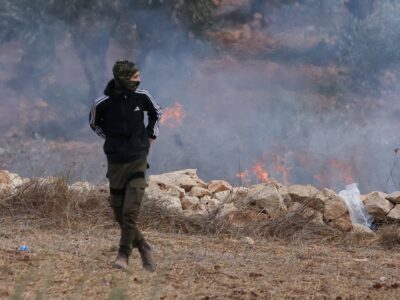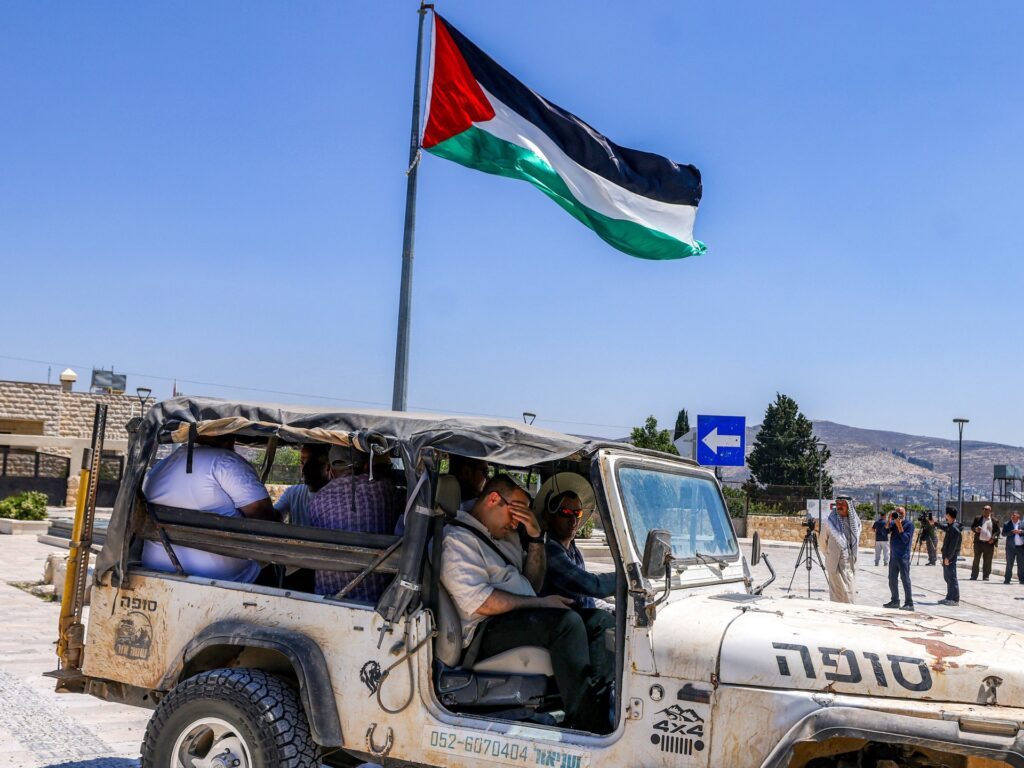
In recent weeks, the West Bank has witnessed a sharp spike in violent attacks by Israeli settlers against Palestinian communities, focusing particularly on critical infrastructure such as water supplies. These assaults represent a troubling escalation in settler violence, affecting not only Palestinian homes but also their basic resources and livelihoods.
The increase in attacks has raised alarm among human rights organizations and local authorities, who warn that targeting water sources could exacerbate the already dire humanitarian situation in the region. Water is an essential resource, and its disruption affects daily living, agriculture, and health for Palestinian residents.
Reports indicate that the settlers have engaged in various aggressive actions including vandalism of water pipes, throwing stones at wells, and intentionally blocking access to springs that have served Palestinian communities for generations. These acts are often accompanied by intimidation and violence towards villagers attempting to maintain or repair the damaged infrastructure.
The reasons behind the intensified attacks are complex and tied to the broader Israeli-Palestinian conflict, particularly the ongoing expansion of Israeli settlements in the West Bank which is widely considered illegal under international law. Settlers often aim to assert control over more land and resources, including water, to support their communities’ growth.
Palestinian residents and local officials have condemned the attacks, calling for immediate intervention from the Israeli authorities to stop settler violence and protect Palestinians’ rights and property. However, many Palestinians express frustration over what they perceive as insufficient protection and accountability measures.
International bodies have also voiced concern over the situation. The United Nations and various human rights groups have urged Israel to uphold its responsibilities under international law, emphasizing the need to prevent settler-sponsored violence and ensure equitable access to resources.
The attacks on water infrastructure add another layer of complexity to the conflict, illustrating how access to resources like water remains a deeply contested and sensitive issue. As winter approaches, repairing and safeguarding water supplies becomes even more critical, amplifying the urgency for a sustainable and peaceful resolution.
Efforts to document and respond to these incidents continue, with Palestinian communities, activists, and international observers working to bring attention to the ongoing violence and its impact on lives. The heightened tensions underscore the fragile situation in the West Bank and the challenges faced by Palestinians living under occupation.
Ultimately, the surge in settler attacks on water supplies reveals the intertwined nature of territorial control, resource access, and human rights within the broader Israeli-Palestinian conflict. Addressing these issues requires committed dialogue, enforcement of legal protections, and genuine efforts towards peace to prevent further harm to vulnerable communities and promote coexistence.