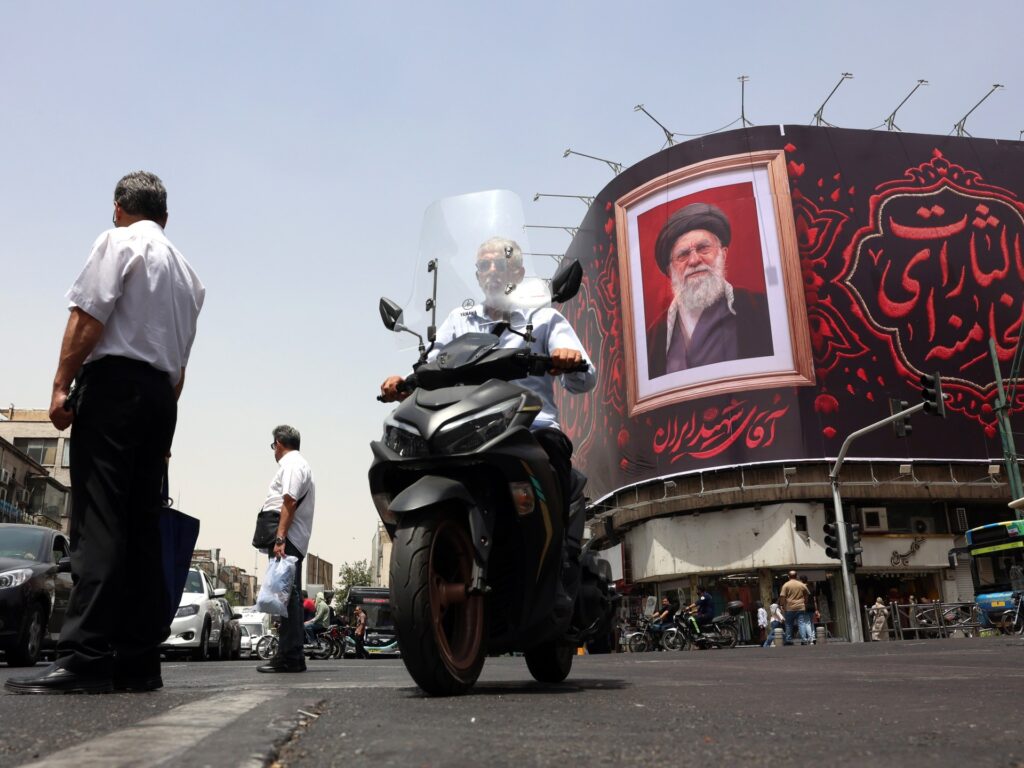
In recent developments from the Middle East, Tehran has issued strong condemnations against the United States amidst the backdrop of an immense funeral procession for Iran’s Supreme Leader, Ali Khamenei. The event, marked by profound mourning and public gatherings, reflects the significant impact Khamenei had on Iranian politics and society.
Meanwhile, Lebanon is grappling with devastating consequences from ongoing Israeli attacks. The Lebanese Ministry of Health has reported a grim toll, indicating at least 4,298 fatalities and over 12,196 injuries since the hostilities began in March. This alarming number underscores the severe humanitarian crisis unfolding in the region.
The context surrounding these events is complex, involving deep-rooted geopolitical tensions and ongoing conflicts that have affected millions. Tehran’s denunciation of US policies suggests escalating diplomatic strains, while the mass funeral in honor of Khamenei serves as a stark reminder of the influential leadership he wielded.
In Lebanon, the civilian population continues to bear the brunt of military actions, with medical facilities stretched to their limits and communities facing immense disruption. Humanitarian organizations have called for urgent assistance and ceasefire to address the escalating casualties and widespread destruction.
The situation remains fluid, with international observers keeping a close watch on diplomatic efforts and potential resolutions. The convergence of these events highlights the fragility of stability in the region and the urgent need for diplomatic engagement.
As both countries navigate these challenging moments, the global community faces pressing questions about the path forward, emphasizing peace, security, and the protection of human lives.