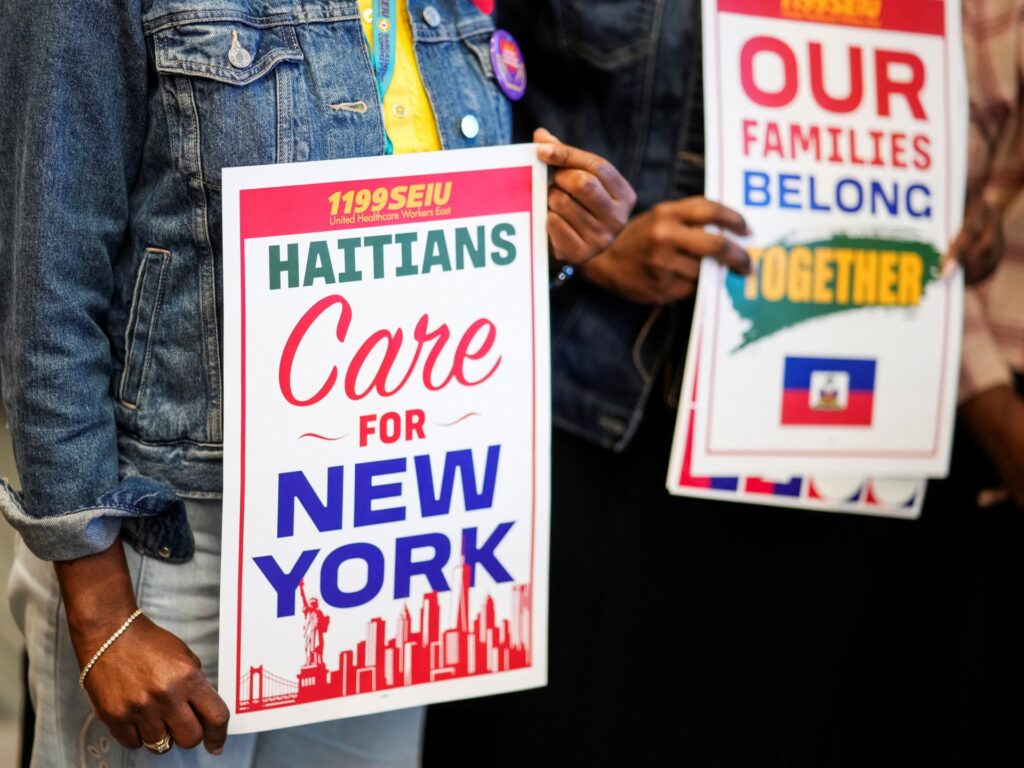
The impending termination of Temporary Protected Status (TPS) for Haitians in the United States poses a significant risk of a caregiving crisis, experts warn. Haitians under TPS have been a vital part of the caregiving workforce, especially in healthcare roles, where immigrants form a crucial labor segment. Immigrants with temporary protection status, like TPS holders, represent approximately 15 percent of noncitizen healthcare workers, underlining their importance to the system.
These workers, often filling caregiving and support positions, provide essential services in hospitals, nursing homes, and home healthcare settings, many times acting as the backbone of patient care. The anticipated end of TPS could lead to their departure due to legal uncertainties and the risk of deportation.
Healthcare facilities, already grappling with a shortage of qualified caregivers, may face exacerbated staffing challenges if Haitian TPS recipients are forced to leave. This potential talent gap threatens to strain facilities trying to meet rising demand amid an aging population requiring more long-term care.
The caregiving sector relies heavily on immigrant labor, with noncitizen workers filling about 15 percent of these roles. Haitians granted TPS have historically contributed substantially to this workforce, thanks to their linguistic skills, cultural competence, and caregiving experience.
Advocates stress that ending TPS on Haitians not only jeopardizes these individuals’ livelihoods and safety but could severely disrupt critical health services. Losing a significant portion of caregivers would increase the burden on remaining staff and may compromise patient care quality.
Policymakers face a complex challenge: balancing immigration enforcement with protecting the healthcare system’s stability. Extending or providing alternative legal protections to Haitian TPS holders could help maintain essential caregiving services and avoid a potential crisis.
In summary, the conclusion of TPS for Haitians may precipitate a caregiving crisis across the U.S. healthcare sector as thousands of immigrant workers risk losing their legal status and jobs. Addressing this issue is critical to ensuring continued care for vulnerable populations dependent on these caregivers.