In a surprising move that has caught widespread attention, the Trump administration has indicted David Hearn, a renowned Olympic athlete, on charges related to vandalism at the Reflecting Pool. The incident reportedly took place during a public demonstration, though details about the motivations remain unclear.
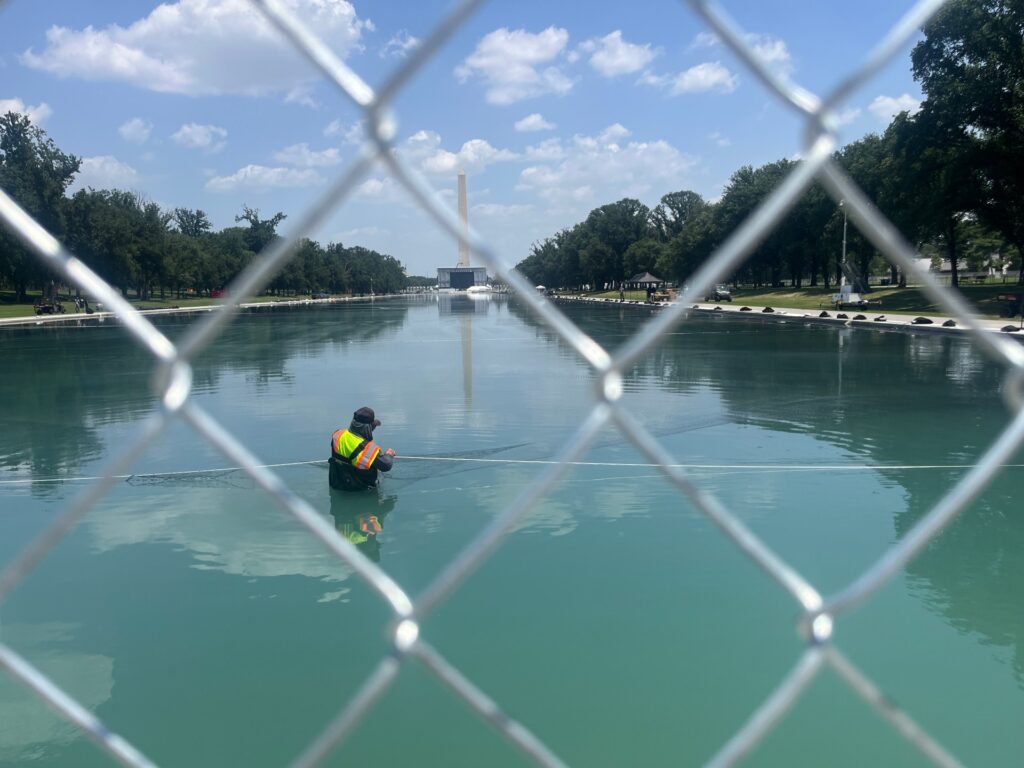
Authorities claim that Hearn was involved in damaging the historic Reflecting Pool, an iconic landmark often used for peaceful protests and gatherings. The vandalism has been described as significant, with cleanup costs and restoration efforts expected to be substantial.
If convicted, David Hearn could face up to 10 years in prison, marking a severe penalty for a public disturbance. The severity of the charges reflects the administration’s tough stance on vandalism and civil unrest, signaling a possibly stringent approach in handling such incidents.
However, the indictment has sparked controversy and criticism among civil rights advocates and political commentators. Many question the legitimacy of the charges, suggesting that the Trump administration may be utilizing this case to send a broader message about dissent and public protest.
Critics argue that the charges are disproportionate and potentially politically motivated, given Hearn’s status as a prominent athlete and public figure. They highlight concerns about freedom of expression and warn that such legal actions could deter individuals from engaging in lawful demonstrations.
Supporters of the administration maintain that the law must be upheld irrespective of the individual’s identity and that vandalism, especially against public monuments, cannot be tolerated. They argue that maintaining public order and preserving national landmarks is essential for community cohesion.
The case underscores a growing tension between governmental authority and citizens’ rights to protest. It also reflects ongoing debates about how public spaces should be preserved and the limits of lawful protest.
Legal experts suggest that the outcome of this case could set a precedent for how similar incidents might be handled in the future, potentially influencing policies related to civil demonstrations and public safety.
Meanwhile, David Hearn’s legal team has announced plans to vigorously contest the charges, asserting his innocence and emphasizing the importance of protecting civil liberties.
Public opinion remains divided, with some viewing Hearn as a symbol of resistance against authoritarian measures, while others see the charges as a justified response to unlawful behavior.
As this high-profile case develops, it will likely continue to provoke significant discussion about the balance between security, public order, and individual rights in democratic societies.
The indictment of an Olympic athlete for such an incident is rare and adds a unique dimension to the legal and social discourse surrounding protest actions and governmental responses.
Further updates are expected as the case progresses through the judicial system, with many observers keenly watching the legal strategies and potential implications for future protests and public demonstrations.