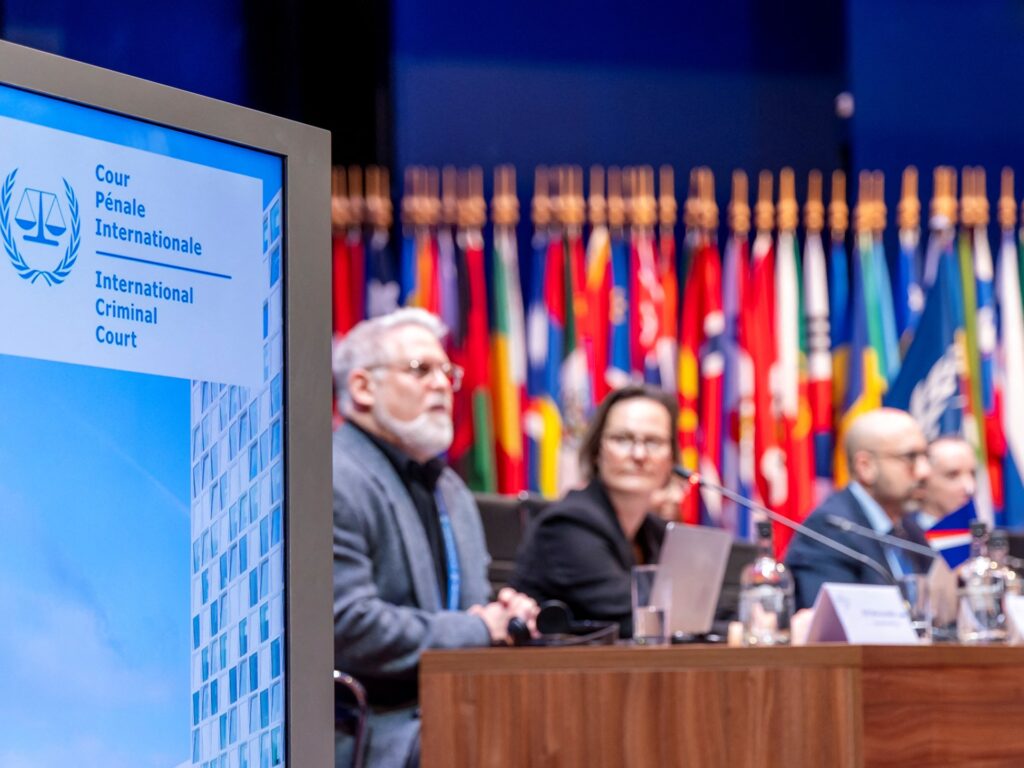
The Trump administration has intensified its stance against the International Criminal Court (ICC), signaling its refusal to accept any attempt by the court to exercise jurisdiction over US citizens. This move underscores a deepening rift between the United States and the ICC, a court established to prosecute individuals for crimes such as genocide, war crimes, and crimes against humanity.
Recently, the ICC judges took a significant political step by filing a lawsuit challenging sanctions imposed by the Trump administration, which targeted ICC officials. These sanctions were a response to the court’s investigation into possible war crimes committed in Afghanistan, an inquiry that potentially includes actions by US military personnel.
The US government has consistently expressed skepticism and opposition toward the ICC, arguing that the court lacks proper jurisdiction and threatens American sovereignty. The administration claims that the ICC’s attempts to assert authority over US personnel are legally unfounded and politically motivated.
High-ranking officials within the administration have emphasized that neither current nor former US citizens will be subject to the ICC’s proceedings. This reaffirmation of refusal to cooperate with the ICC came after the judges’ unprecedented legal challenge to the sanctions.
The situation reflects ongoing tensions surrounding the ICC’s role on the world stage, particularly with powerful nations like the United States that are not parties to the Rome Statute, the treaty that established the court. The US argued that the ICC’s actions could undermine efforts to combat terrorism and maintain international security.
International observers have noted the potential ramifications of this dispute. If the US continues its confrontational approach, it could discourage other countries from cooperating with or supporting the ICC, potentially weakening the court’s effectiveness.
Critics of the Trump administration’s approach argue that refusing to engage with international judicial bodies undermines efforts to hold perpetrators of serious crimes accountable. Supporters, however, view the stance as necessary to protect national interests and prevent external interference in US affairs.
The legal battle initiated by ICC judges against the sanctions marks a rare escalation and showcases the deep divide between the court and the United States. The outcome of this dispute remains uncertain, but it is clear that the relationship between the US and the ICC will continue to be strained.
Overall, the Trump administration’s renewed pressure on the ICC signals a firm commitment to resist international legal mechanisms that it perceives as threatening American sovereignty and interests. The global community watches closely as this confrontation unfolds, aware of its implications for international justice and the future of the ICC.