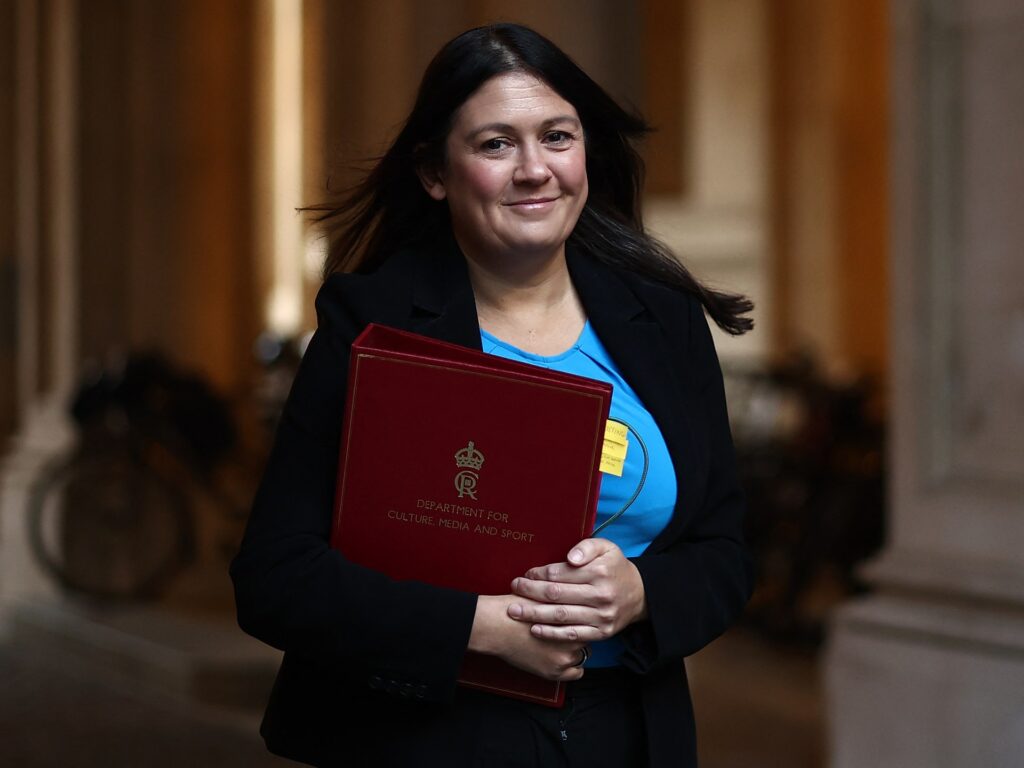
In a significant development, the UK Culture Minister has resigned from the social media platform X, citing rampant abuse and misinformation as the primary reasons for the decision. This move highlights growing concerns over the impact of online toxicity and the spread of false information on public discourse.
The UK Department of Culture, Media and Sport (DCMS) has also announced that it will discontinue its use of X, aligning with the minister’s stance and signaling a broader governmental response to the challenges posed by social media platforms.
The minister’s resignation from X underscores the difficulties faced by public officials in navigating social media environments that have become increasingly hostile and misleading. The decision is emblematic of a wider trend of governmental and institutional reevaluation of social media’s role and responsibility in shaping public conversation.
Officials indicate that the move aims to safeguard the integrity of communication channels and protect both public figures and citizens from harmful content. The DCMS’s withdrawal from X is intended to serve as a statement against the platform’s inability, in their view, to effectively manage abuse and misinformation.
This development raises important questions about the future of social media engagement by government bodies and officials. It also highlights the urgency for platforms to improve moderation policies and foster safer online environments.
Critics of the platform have long pointed to issues with content moderation, which they claim enable the proliferation of harmful narratives and abusive behavior. The resignation and departmental exit may intensify calls for regulatory scrutiny and reform.
Supporters of the minister’s decision see it as a courageous stand for accountability and responsible communication. Conversely, some argue that abandoning such platforms limits opportunities for direct public engagement and dialogue.
As the UK Culture Minister and DCMS step back from X, the incident may prompt other governments and organizations to reassess their social media strategies. It also serves as a wake-up call for social media companies to address the persistent challenges of abuse and misinformation more effectively.
The move by the UK Culture Minister and DCMS marks a pivotal moment in the ongoing conversation about the intersection of social media, governance, and public trust. It remains to be seen how X will respond to this high-profile departure and whether it will take steps to alter its platform dynamics in response.