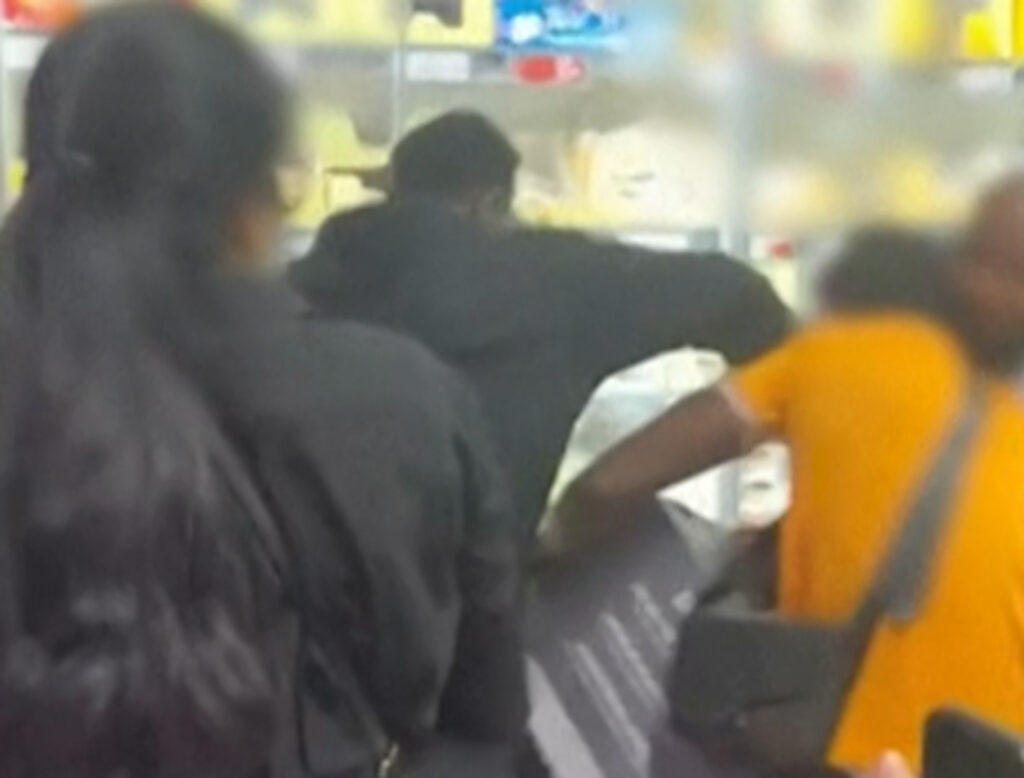
France has recently experienced a phenomenal heatwave, prompting a surge in demand for cooling appliances. In response, Lidl, a popular supermarket chain, launched a sale on air conditioners and fans, which triggered chaos across various stores.
The sale, heavily advertised and widely anticipated, saw shoppers rushing en masse to obtain discounted air conditioners and fans. As temperatures soared, consumers were eager to secure appliances to combat the oppressive heat, leading to large crowds and disorderly scenes within Lidl supermarkets.
Reports from various locations indicated that some stores were overwhelmed with customers, resulting in long queues that extended outside the premises. The sudden influx of people led to frantic buying, with some shoppers even clashing in the pursuit of the limited stock.
Staff at these supermarkets struggled to manage the crowds, as safety became a concern amid the frenzy. The high demand quickly depleted available stock, leaving many customers disappointed and unable to purchase the much-needed cooling devices.
Experts note that such sudden spikes in demand during extreme weather events are becoming more common, reflecting the impact of climate change and the increasing frequency of heatwaves across Europe.
Lidl has since issued statements urging customers to remain calm and respect social distancing measures. They assured that more stock would be available soon, aiming to replenish supplies swiftly to meet customer needs.
Consumers are advised to consider alternative shopping times or locations to avoid the busiest periods and to explore online purchase options where available.
This incident highlights the challenges retailers face in balancing supply with sudden surges in demand during environmental extremes. It also underscores the increasing necessity for cooling solutions as global temperatures continue to climb.
The supermarket chaos in France serves as a stark reminder of the immediate impacts of climate change on daily life and commerce, showcasing the vital role of preparedness and responsive retail strategies in addressing consumer needs during crises.