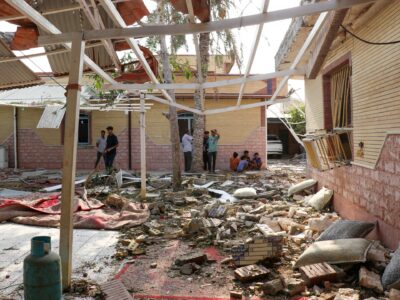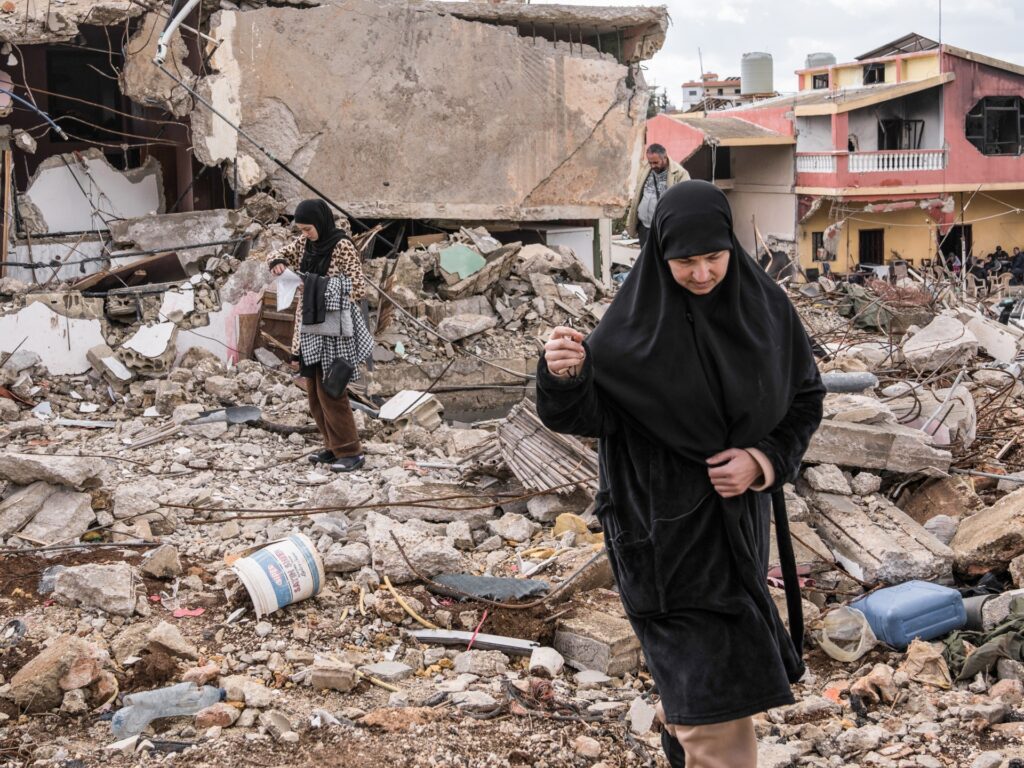
The ongoing conflict between Israel and Lebanon has taken a devastating toll on the displaced Lebanese population, particularly those from villages that have been completely erased by the war. As these communities are physically obliterated, the psychological impact on survivors grows increasingly severe.
For many displaced Lebanese, their villages were more than just homes; they were the foundation of their identity, culture, and sense of belonging. The destruction of these villages means not only the loss of physical shelter but also the annihilation of the emotional anchors that connect individuals to their pasts.
Survivors face a profound void where their history and memories once thrived. The landscapes that shaped their childhoods, family bonds, and community networks have been reduced to rubble, creating a disorienting and heart-wrenching experience. This loss complicates their ability to heal and rebuild their lives.
Mental health experts warn that the trauma of displacement coupled with the destruction of ancestral homes can lead to long-term psychological disorders, including depression, anxiety, and post-traumatic stress disorder (PTSD). Many displaced individuals now live in precarious conditions, struggling to find stability while grappling with grief and uncertainty about their future.
The social fabric of these communities has been torn apart. Traditional practices, local customs, and communal support systems that helped people cope with hardships are disrupted or completely lost. This erosion leaves individuals isolated, further deepening their mental anguish.
Humanitarian organizations working in Lebanon emphasize the urgent need to address both the physical and psychological needs of displaced populations. Providing mental health support, rebuilding social networks, and preserving cultural heritage are seen as critical steps to help survivors regain a sense of normalcy.
In addition to immediate relief efforts, long-term strategies involving psychological counseling, community rebuilding, and cultural preservation are essential to counteract the deep wounds inflicted by the war. Reconstructing villages and livelihoods is not enough; healing the emotional and identity-based scars must also be prioritized.
The international community’s role in supporting Lebanon extends beyond stopping the violence. It includes recognizing and addressing the extensive human costs — particularly the psychological trauma faced by those whose very foundations of identity have been shattered.
As Lebanon faces the daunting task of recovery, acknowledging the invisible wounds of its displaced people is crucial. Their stories of loss, resilience, and hope illuminate the profound human consequences of conflict and the importance of comprehensive humanitarian aid focused on holistic recovery and renewal.