On the one-week anniversary of the devastating twin earthquakes that struck Venezuela, the nation remains in a state of shock and mourning. The tragic natural disaster has confirmed a death toll exceeding 1,900, with the number of missing persons soaring into the tens of thousands. These figures highlight the severe impact and ongoing humanitarian crisis that has unfolded across the affected regions.
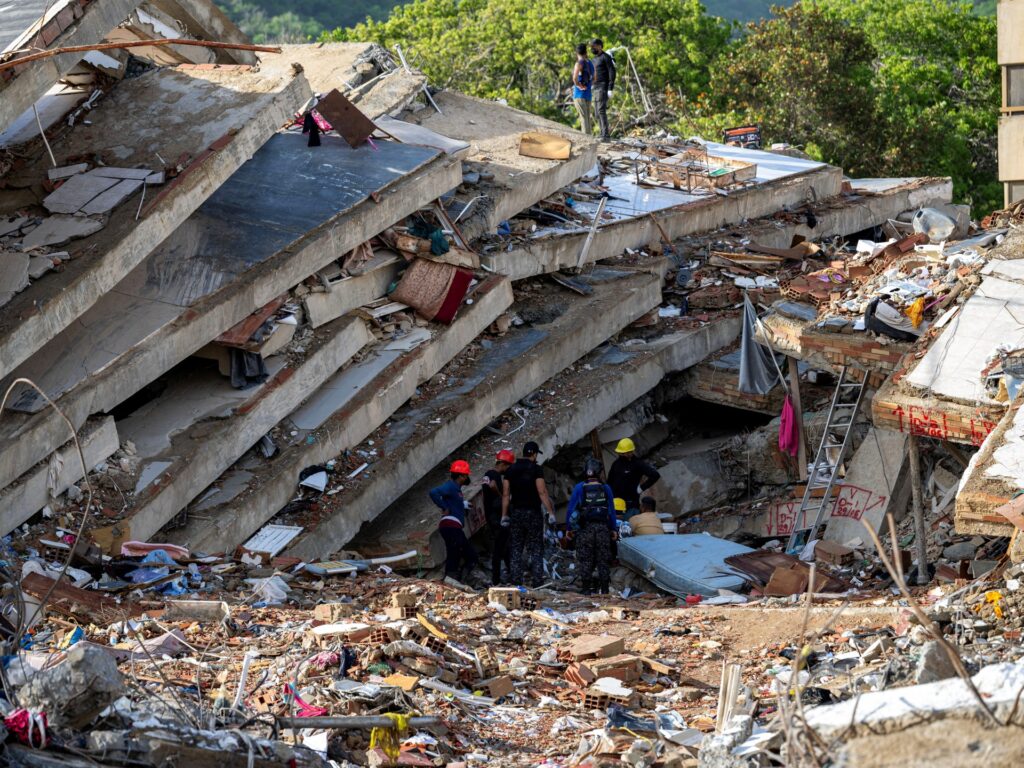
The earthquakes, which struck with little warning, have wrought widespread destruction, devastating homes, infrastructure, and entire communities. Rescue operations have been underway since the moment of impact, but the scale of destruction and the challenging terrain have complicated efforts to reach all affected areas swiftly.
Emergency responders, local authorities, and international aid organizations continue to work tirelessly to locate survivors and provide emergency relief. Temporary shelters have been established across safer zones, and medical teams are addressing the critical healthcare needs of the injured and displaced populations.
Despite the valiant efforts to contain the disaster’s aftermath, the scale of the destruction has overwhelmed local resources. Humanitarian organizations have called for additional international support to assist with food, medical supplies, and logistical aid to manage the ongoing crisis effectively.
The earthquake’s impact has also severely disrupted communication networks and transportation routes, hampering coordination of aid and relief operations. Many areas remain isolated, with communities cut off and in urgent need of assistance.
Rescue teams continue to dig through rubble and debris, hoping to find survivors even after days have passed. However, as time progresses, the likelihood of finding people alive diminishes, emphasizing the urgency and importance of sustained rescue efforts.
In addition to the human toll, the earthquakes have inflicted significant economic damage, with critical infrastructure such as roads, bridges, schools, and hospitals severely affected. This damage will require substantial rebuilding efforts over the coming months and years.
The Venezuelan government has declared a state of emergency, mobilizing all available resources to manage the response and coordinate with international partners for relief support. Meanwhile, communities have shown remarkable resilience and solidarity, with locals volunteering in rescue operations and in providing aid to those displaced.
One week on, the nation mourns the lives lost and prays for those still missing. The path to recovery will be long and complex, demanding concerted efforts from the government, aid agencies, and the international community alike to rebuild lives and infrastructure.
Venezuelans around the world are uniting in their grief and resolve, pledging support and raising awareness of the ongoing crisis. The coming weeks will be critical in determining the scale of the recovery and the long-term impact of this catastrophic event on the nation’s social and economic fabric.
As search and rescue operations persist, the focus is also broadening to encompass psychological support and trauma care for survivors who have endured not only physical devastation but also profound emotional distress.
This tragedy serves as a stark reminder of the vulnerability of communities to natural disasters and the critical need for disaster preparedness and resilient infrastructure. Efforts to rebuild must prioritize not only physical reconstruction but also sustainable development to mitigate the impact of future disasters.
In summary, a week after the twin earthquakes, Venezuela is grappling with an immense loss of life, significant numbers of missing persons, and widespread destruction. The international community continues to monitor the situation closely, with a collective emphasis on humanitarian relief and rebuilding efforts to support Venezuela in this time of grievous need.