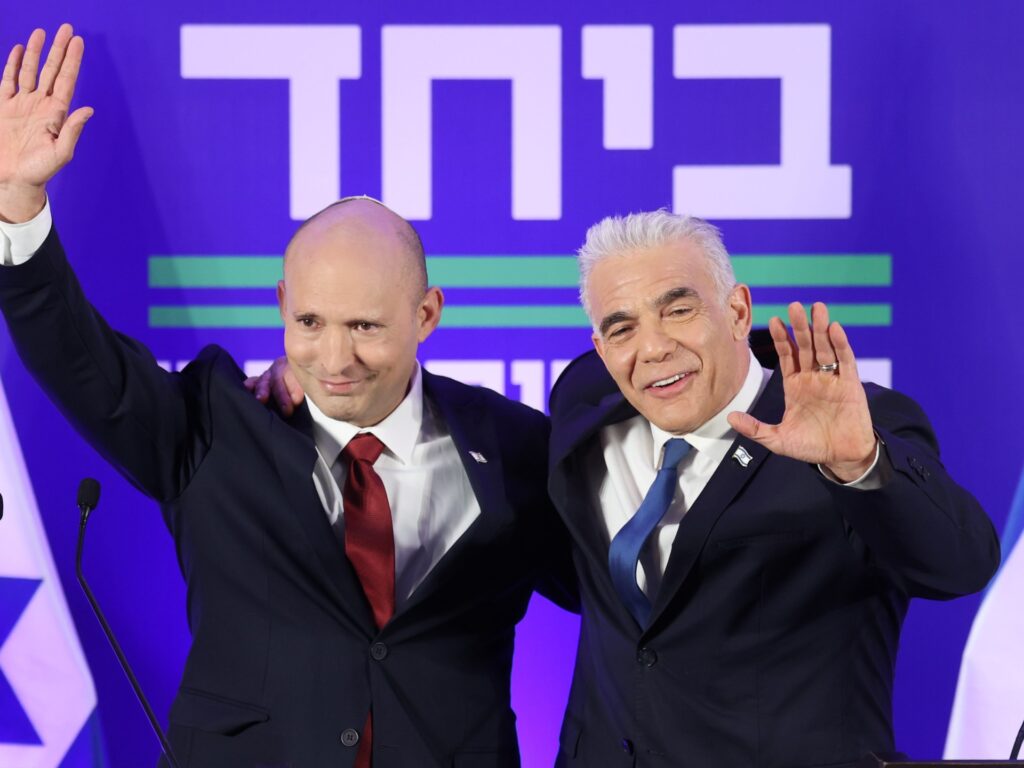
In the complex landscape of Israeli politics, the opposition parties have recently articulated a stance that suggests a shift in the style of foreign policy rather than its fundamental substance. While these opposition groups are critical of the methods employed by Prime Minister Benjamin Netanyahu, especially in the realm of international diplomacy and security measures, they appear hesitant to challenge the core objectives that underpin his administration’s agenda.
Netanyahu’s approach has often been characterized by a strong rhetoric and assertive actions aimed at safeguarding Israel’s national interests. The opposition, while acknowledging the importance of these goals, raises concerns about the diplomatic means and the potential long-term consequences of such strategies. However, this critique tends to focus more on the style, tone, and tactical execution rather than a wholesale rejection of the foreign policy aims themselves.
This political dynamic highlights a broader consensus in Israeli politics regarding key foreign policy objectives, such as the protection of national security, maintaining strategic alliances, and countering regional threats. The opposition’s unwillingness to diverge significantly from these objectives suggests that there is an implicit agreement on the ends even as there is debate over the means.
Critics argue that the opposition’s stance may be motivated by political pragmatism; opposing Netanyahu’s foreign policy goals outright could risk appearing unsupportive of Israel’s security or could alienate important voter bases. Instead, by advocating for a change in style—perhaps favoring more diplomatic engagement, multilateralism, or softer rhetoric—they attempt to position themselves as a viable alternative without undermining the foundational security framework.
This nuanced position also reflects the challenges of Israeli politics where external threats and internal divisions necessitate a delicate balancing act. The opposition’s critique serves as a call for more measured and strategic diplomacy that could foster international support while still maintaining Israel’s firm stance on security.
In summary, while the Israeli opposition signals a desire for a foreign policy recalibration, it remains deeply aligned with Netanyahu’s ultimate goals. Their criticism centers on the approach rather than the objectives, indicating a foreign policy consensus that transcends party lines, with potential implications for Israel’s diplomatic strategies going forward.