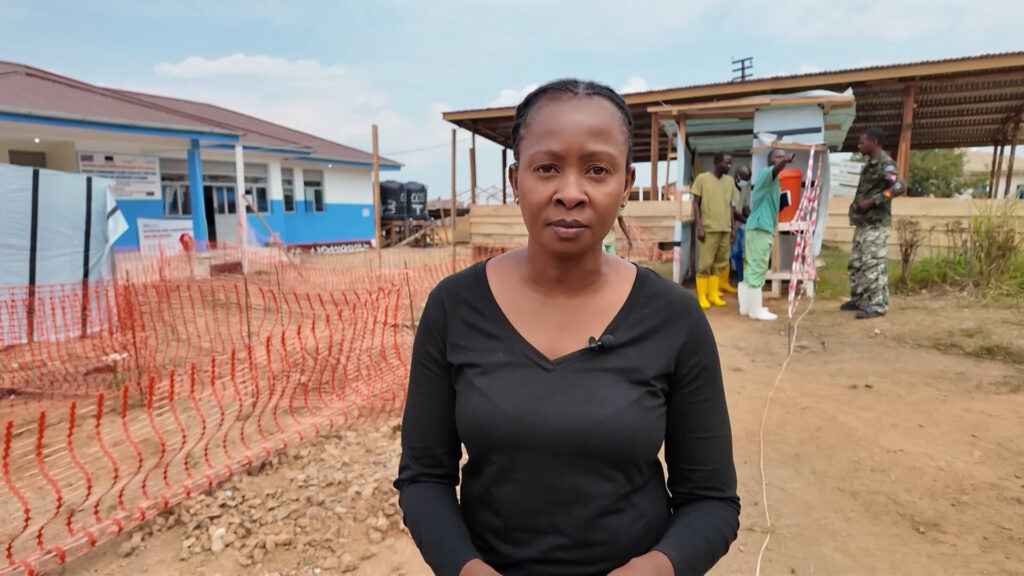
The Democratic Republic of Congo (DR Congo) continues to grapple with the Ebola virus outbreak, which has posed significant challenges to its healthcare system. Despite the ongoing spread of the Ebola virus, local healthcare workers have reported notable improvements in the healthcare situation, signaling progress in managing the crisis.
Since the Ebola virus re-emerged in DR Congo, healthcare professionals and international aid organizations have intensified their efforts to contain the disease. These concerted actions include increased surveillance, rapid response measures, public health education, and vaccination campaigns targeting at-risk populations.
One of the key factors contributing to the improved healthcare situation is the enhanced training and mobilization of local healthcare workers who are on the front lines of the outbreak response. These workers have been instrumental in early detection, isolation, and treatment of Ebola cases, thereby reducing transmission rates within communities.
The deployment of experimental Ebola vaccines has also played a crucial role in controlling the spread. The vaccines have been administered to healthcare workers, contacts of confirmed cases, and their contacts, creating a ring of immunity that helps to stop the virus from spreading further.
Community engagement and awareness programs have increased, helping educate the public about the symptoms of Ebola, the importance of seeking medical care early, and how to protect themselves and others from infection. These efforts have contributed to greater public cooperation with health authorities.
International support has been vital in providing necessary medical supplies, protective gear, and technical expertise. Collaborations between the DR Congo government, the World Health Organization (WHO), non-governmental organizations (NGOs), and local communities have strengthened the overall response capacity.
Despite these positive developments, challenges remain. The healthcare infrastructure in many parts of DR Congo is limited, and ongoing conflict and insecurity in some regions complicate the delivery of health services. Additionally, stigma and misinformation about Ebola continue to hinder some response efforts.
Looking forward, maintaining the momentum in the fight against Ebola requires continuous resource mobilization, sustained community engagement, and strengthening health systems to better manage current and future outbreaks. The improved situation offers hope but also underscores the need for vigilance and ongoing commitment to public health in DR Congo.
In summary, while the Ebola virus remains a serious threat in DR Congo, the dedication of healthcare workers, effective vaccination programs, and increased community involvement are key drivers behind the recent improvements in the healthcare crisis. These advances provide a foundation for more robust epidemic preparedness and response in the future.