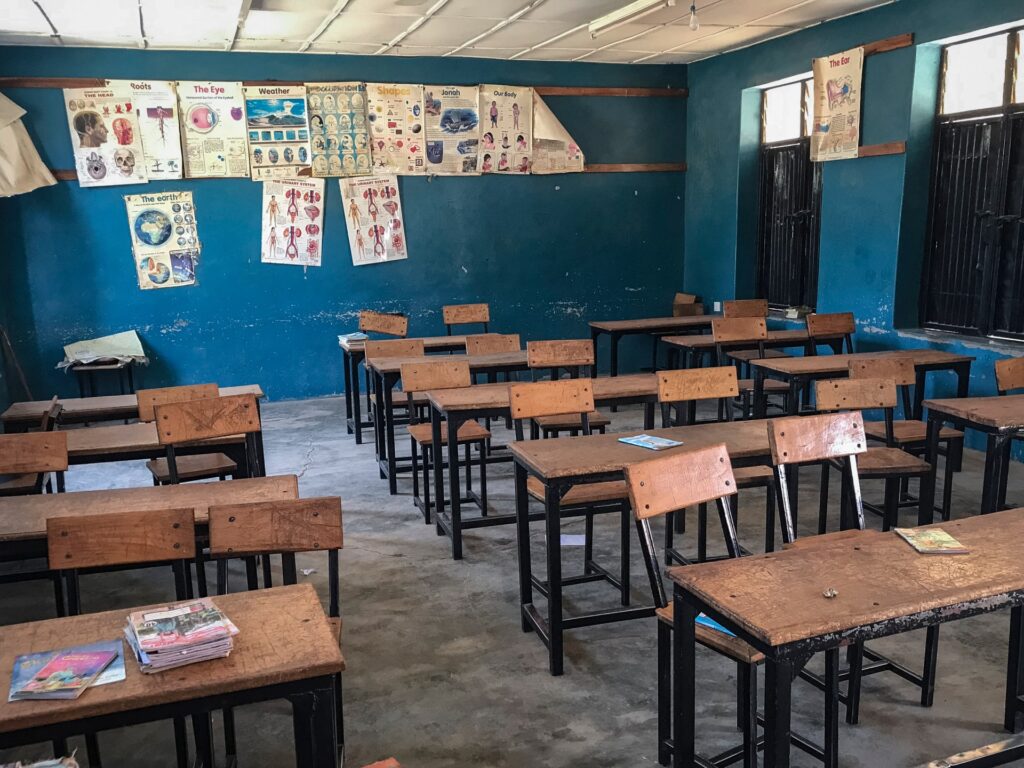
In a tragic incident that has shaken the northeastern region of Nigeria, more than 30 students remain missing following a violent attack on a secondary school in the town of Lassa, located in Borno State. This assault highlights the continuing security challenges faced by the region, which has been plagued by violence and instability due to ongoing insurgent activities.
The attack targeted the educational institution, disrupting the lives of countless students and their families. Reports indicate that the assailants struck the school with the intent to kidnap students, a tactic that has been used previously in the area to spread fear and exert control.
The Nigerian government and local authorities have condemned the attack, pledging to intensify efforts to locate the missing students and bring the perpetrators to justice. Rescue operations are currently underway, with security forces combing the area for any signs of the abducted children.
This incident is the latest in a series of attacks on schools in northeastern Nigeria, where insurgent groups have repeatedly targeted educational facilities, causing widespread disruption to education and heightening insecurity.
Communities in Borno State have expressed their profound concern and sorrow over the incident, calling for enhanced security measures to protect vulnerable populations and prevent future attacks.
Civil society organizations and human rights groups have also weighed in, urging for urgent action to safeguard the rights and wellbeing of children in conflict zones. They highlight that education is a fundamental right that must be protected even amidst turmoil.
The broader implications of such attacks are severe: they undermine education, instill fear, and hamper development efforts in already fragile communities. Amid these challenges, there is a growing call for comprehensive strategies that address both security and humanitarian needs.
Efforts to combat insurgency in northeastern Nigeria have been ongoing, with the military conducting operations to dismantle militant groups. However, the persistence of attacks like the one in Lassa underscores the complexity and difficulty of ensuring complete security in the region.
The abduction of students also raises concerns about the psychological and physical trauma inflicted on victims and their families. Support services, including counseling and rehabilitation, will be crucial for helping affected youths recover and reintegrate.
International partners and organizations have expressed solidarity with Nigeria, offering technical and logistical support to enhance security and respond to emergencies. Their involvement is crucial in strengthening the capacity of local authorities.
As the search for the missing students continues, the incident serves as a grim reminder of the risks faced by children in conflict-affected areas. It also highlights the urgent need for concerted efforts at all levels—local, national, and international—to create safe environments for education and growth.
Nigeria’s leadership faces the dual challenge of ensuring security and rebuilding trust within communities traumatized by violence. The government’s response and the resilience of the affected communities will be pivotal in shaping the future of education and stability in Borno State.
In conclusion, the attack on the secondary school in Lassa is a stark illustration of the ongoing threats posed by insurgency in northeastern Nigeria. With over 30 students still unaccounted for, the quest for answers and justice continues, underscoring the critical need to protect education and children’s welfare amidst the regions’ turbulent landscape.