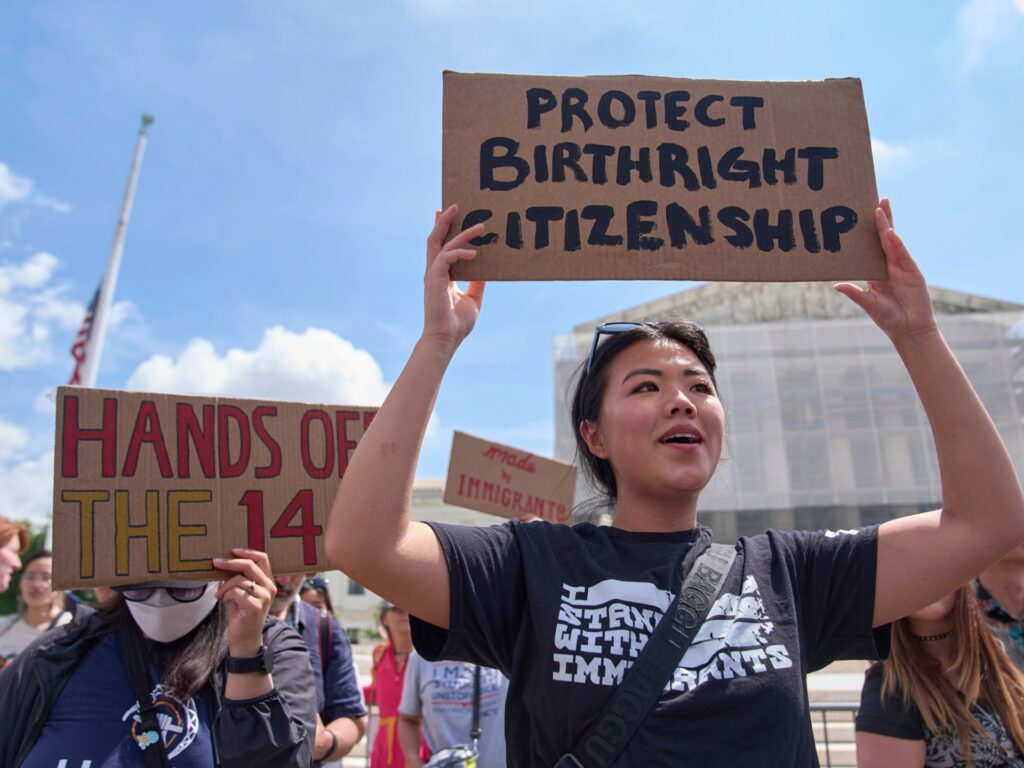
Birthright citizenship is a principle that grants anyone born on a country’s soil the right to automatic citizenship of that country, regardless of their parents’ nationality or immigration status. In the United States, this right is enshrined in the 14th Amendment of the U.S. Constitution, which states that “all persons born or naturalized in the United States, and subject to the jurisdiction thereof, are citizens of the United States and of the State wherein they reside.”
Recently, the Supreme Court of the United States delivered a significant ruling reaffirming the foundational nature of birthright citizenship. The highest court struck down an executive order issued by the President that sought to limit or restrict the scope of birthright citizenship. The order aimed to alter the interpretation of the 14th Amendment by excluding children born to undocumented immigrants from automatic citizenship. However, legal experts and critics argued that the executive branch did not have the authority to unilaterally change constitutional rights.
The Supreme Court’s ruling emphatically protected the constitutional guarantee, stating that birthright citizenship is a right established by the Constitution and not subject to executive override. The justices clarified that any attempt to change this principle must come from a constitutional amendment or legislation passed by Congress, not by an executive order.
This decision has wide-reaching consequences for immigration policy and citizenship rights in the United States. It maintains the status quo and prevents the creation of a new category of non-citizen individuals born within the country, ensuring that citizenship is granted based on birthright as intended by the framers of the Constitution.
Advocates for immigrant rights have welcomed the ruling, emphasizing the importance of upholding the constitutional protections for all children born in the U.S. regardless of their parents’ legal status. Opponents of birthright citizenship who supported the executive order expressed disappointment but acknowledged the need to pursue changes through legislative channels.
In summary, the Supreme Court’s decision reinforces birthright citizenship as a fundamental constitutional right and limits the scope of executive power in immigration matters, ensuring that the principles set forth in the 14th Amendment remain firmly intact.