The recent ruling by the US Supreme Court affirming birthright citizenship has sparked a wide range of reactions from government officials, lawmakers, and advocacy groups across the nation. This landmark decision confirms that individuals born on American soil are entitled to US citizenship, a principle enshrined in the 14th Amendment of the Constitution.
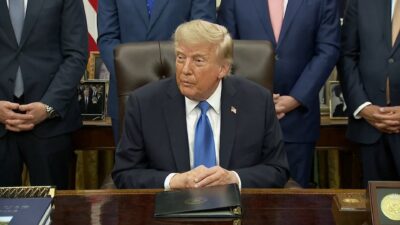
Former President Donald Trump quickly voiced his disapproval of the court’s ruling, calling it ‘too bad for the country.’ His opposition reflects a viewpoint shared by some conservative circles that argue the policy on birthright citizenship should be reconsidered or revoked.
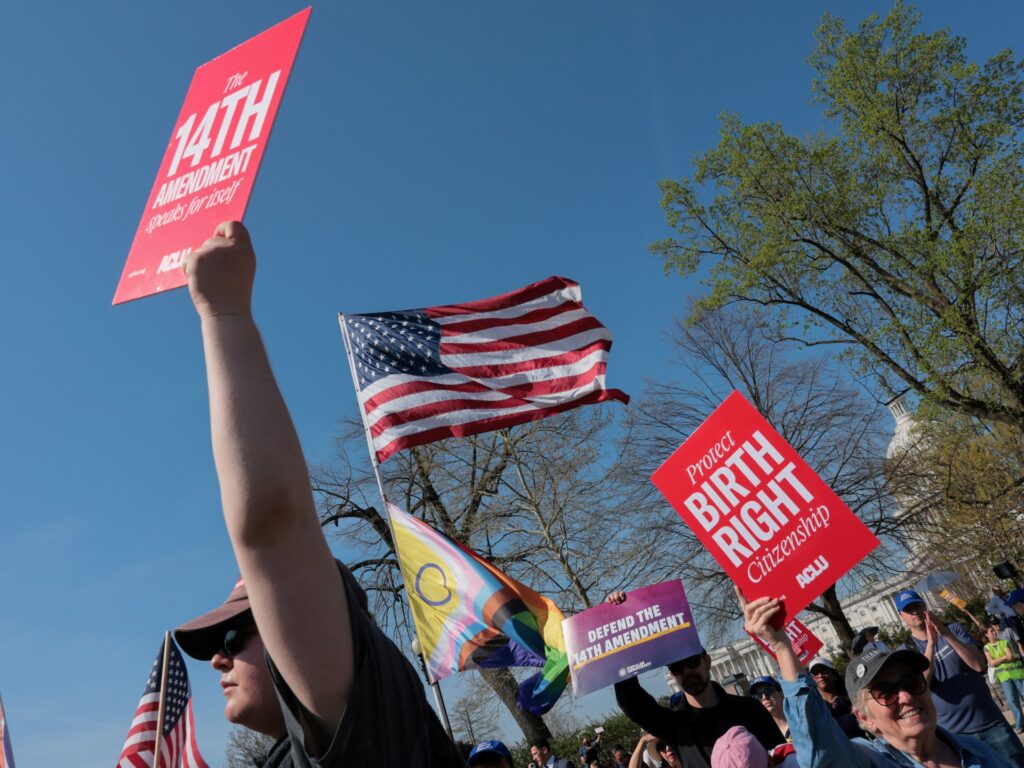
On the other hand, immigrant rights advocates and civil liberties groups have widely celebrated the ruling as a victory for immigrant communities and the protection of constitutional rights. These advocates emphasize that birthright citizenship is a fundamental aspect of equality and inclusion, ensuring that all individuals born in the US have the same legal status and opportunities.
Several lawmakers also weighed in, highlighting the significance of the decision in maintaining the country’s longstanding legal framework. Proponents argue that birthright citizenship helps integrate families and communities, reinforcing the nation’s diversity and resilience.
The ruling also sets a precedent that could influence future policies on immigration and citizenship regulation. Legal experts note that any attempts to alter birthright citizenship would likely require a constitutional amendment or further judicial review.
Reactions from the public have been equally varied, reflecting the broader debate within the country on immigration policy. Some support the principle as a core American value, while others share concerns about potential impacts on immigration systems and resources.
This decision arrives amid ongoing national discussions about immigration reform and border security. The Supreme Court’s affirmation of birthright citizenship reaffirms the foundational legal protections for children born in the United States, regardless of their parents’ immigration status.
Advocates for immigrant rights note that this ruling provides reassurance to many families worried about the potential erosion of their children’s rights. It also underscores the importance of the judiciary in upholding constitutional guarantees.
With the court’s decision now public, government agencies are expected to continue implementing policies consistent with birthright citizenship. This includes ensuring that children born in the US can access healthcare, education, and other public services without legal impediments.
While debates around immigration reform are likely to continue, the Supreme Court’s ruling represents a pivotal moment in the ongoing conversation about who is eligible for American citizenship. It highlights the enduring relevance of the 14th Amendment and the judiciary’s role in interpreting it.
In summary, the Supreme Court’s affirmation of birthright citizenship has mobilized advocates, challenged opponents, and reinforced a key constitutional principle. Its impact will resonate across legal, political, and social spheres as the nation continues to navigate complex immigration issues.