Russia’s fuel crisis has taken a severe turn following a series of intensified drone strikes by Ukraine on critical fuel infrastructure. These attacks have disrupted the supply chain, causing widespread scarcity and skyrocketing prices across various regions. The strategic targeting of fuel depots and refineries has significantly hampered Russia’s ability to distribute fuel reliably, compounding logistical challenges already faced due to international sanctions and global market pressures.
Experts note that the timing of these strikes appears calculated, aiming to weaken Russia’s operational capabilities and economic resilience amid ongoing conflict. The Ukrainian drone assault campaign has demonstrated a shift from conventional warfare to more targeted attacks on vital infrastructure, underscoring the evolving nature of the conflict.
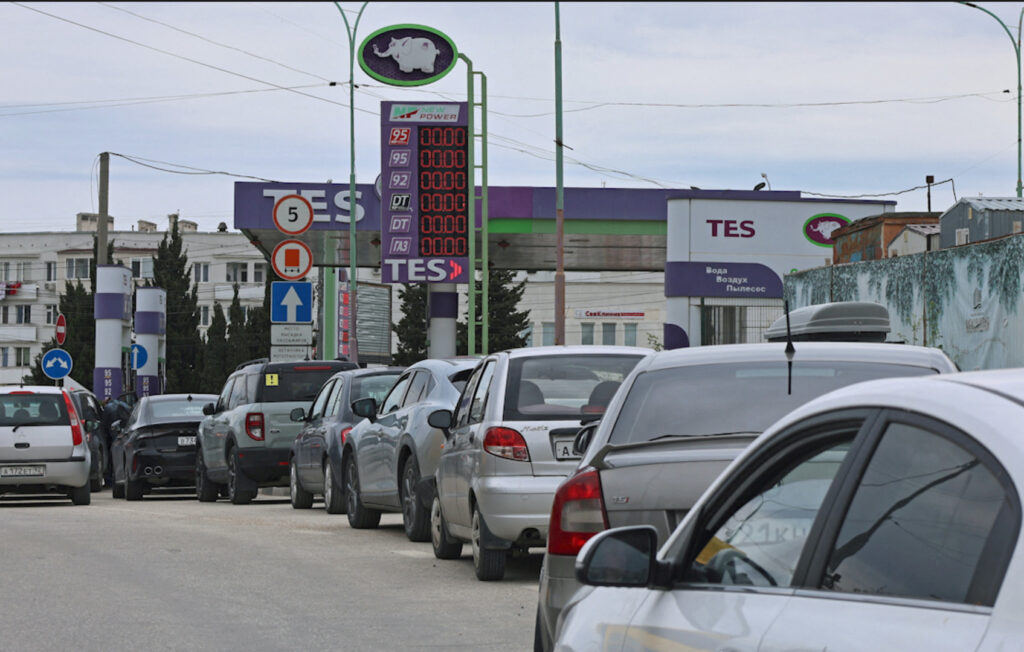
In the affected Russian regions, long lines at gas stations have become commonplace, with many residents expressing frustration over the shortages and price hikes. The transportation sector, heavily reliant on stable fuel supplies, is among the hardest hit, facing disruptions that ripple through supply chains and daily commerce.
Authorities in Russia have attempted to mitigate the crisis by increasing imports from allied countries and rationing fuel allocations, but these measures provide only limited relief. Analysts warn that unless the fuel infrastructure is restored or alternative sources are secured swiftly, the crisis could deepen further, impacting both civilian life and military logistics.
Moreover, the strikes have underscored vulnerabilities within Russia’s infrastructure security, prompting calls for enhanced defenses against future drone incursions. The ongoing fuel shortage also fuels broader economic instability, affecting industries beyond transportation, including agriculture and manufacturing.
International reactions to the strikes have been mixed, with some nations condemning the attacks as escalatory, while others express support for Ukraine’s strategy to undermine Russia’s war efforts. The evolving situation remains fluid, with potential ramifications for regional security and energy markets.
As Kyiv continues to pursue drone operations against fuel targets, observers anticipate further disruptions that could reshape the logistical landscape of the conflict. The deepening fuel crisis highlights the increasing importance of unconventional warfare tactics and the strategic value of critical infrastructure in modern conflicts.