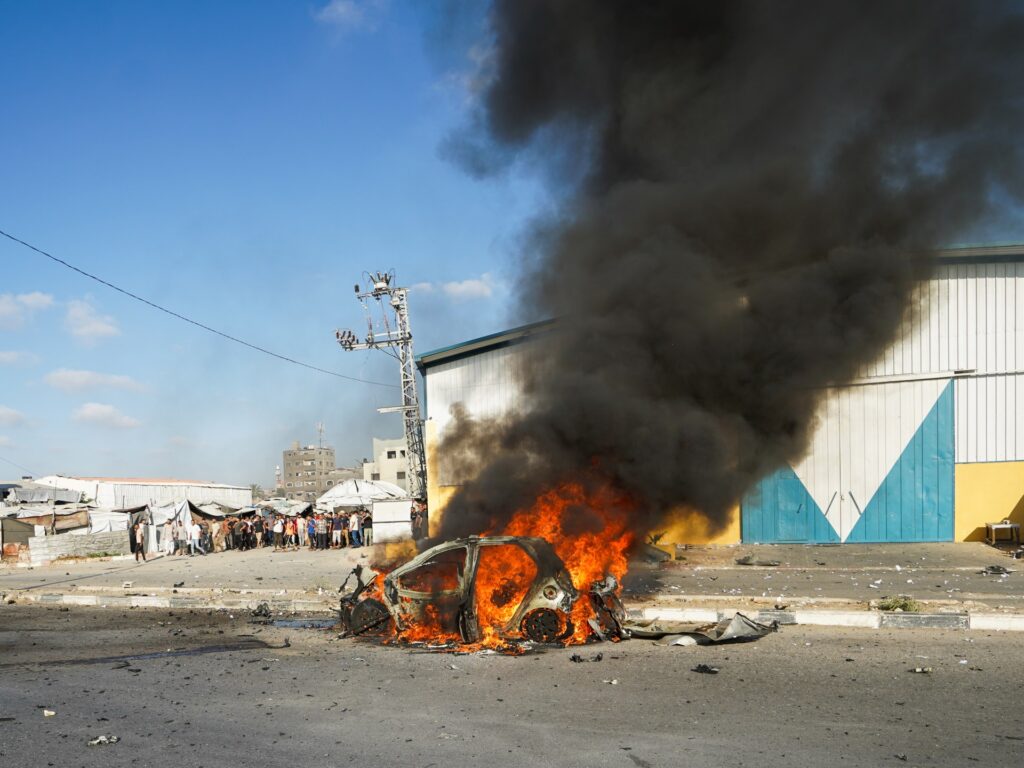
This week in Palestine, there has been a marked acceleration in Israeli efforts to alter the landscape and demographics of Gaza and the West Bank, drawing increasing international concern and criticism.
One of the most significant developments is the permanent alterations underway at the Ibrahimi Mosque in Hebron, a site of deep religious and historical importance. Israeli authorities have been moving forward with modifications that many Palestinians and observers view as an attempt to assert control over the site, which is sacred to both Muslims and Jews. These changes are seen as part of a broader strategy to consolidate Israeli presence and influence in this contentious area.
Simultaneously, in Gaza, plans are advancing for new Israeli settlements, a move that has been fiercely condemned by Palestinian officials and various international bodies. The groundwork for these settlements includes accelerated land appropriation, which is dramatically changing the geographic and communal landscape of the region.
The expansion of settlements in the occupied territories is not new, but the pace at which these land grabs are occurring has increased significantly in recent weeks. This has heightened tensions and threatens any ongoing peace efforts.
Palestinian leaders have decried these actions as violations of international law and have called on the global community to intervene urgently to halt what they describe as a systematic policy of dispossession and displacement.
Human rights organizations have corroborated these claims, documenting the impact of the land seizures on Palestinian residents, including loss of homes, restrictions on movement, and disruptions to farming and other livelihoods.
The changes at Ibrahimi Mosque also symbolize a broader cultural and religious struggle over control of heritage sites, which play a crucial role in the identity and history of Palestinians. The mosque has been a site of conflict and tension for decades, and the recent changes have inflamed sensitivities further.
On the ground in Gaza and the West Bank, the communities are facing the immediate consequences of these policies. Families are reporting increased displacement and an erosion of their ability to sustain their lives and culture.
International reactions have been mixed, with some countries condemning the Israeli actions and others calling for restraint on both sides. However, there is growing consensus that the status quo is untenable and that urgent measures are necessary to prevent further escalation.
The situation remains fluid, with potential for both escalation or diplomatic efforts to resume. Nonetheless, the acceleration of land grabs and settlement plans represents a significant and troubling development in the Israeli-Palestinian conflict.
As this story develops, attention will be focused on the responses of international organizations, governments, and grassroots movements in the region advocating for peace and justice.
This weekly report underscores the urgent need for renewed dialogue and concrete actions to address the underlying issues driving the conflict, with a focus on respecting the rights and dignity of all affected populations.