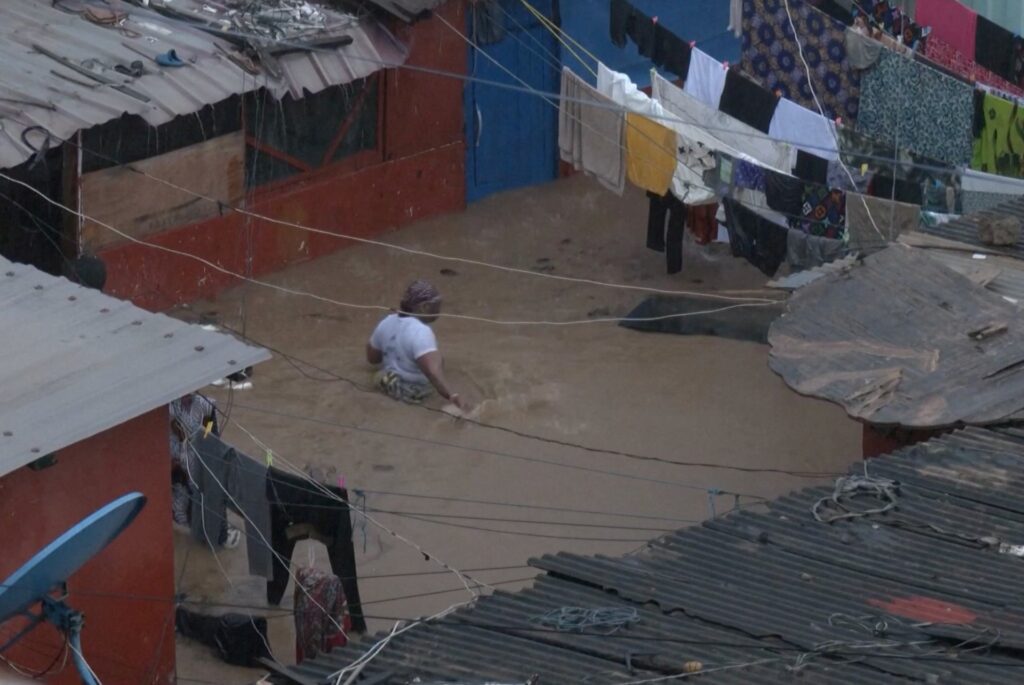
Heavy rainfall has devastated regions in Ghana and the Ivory Coast, leading to the tragic death of dozens of people. The intense downpours have caused severe flooding, resulting in significant damage to homes, infrastructure, and agricultural lands. In response to the crisis, the Greater Accra Regional Fire Command announced that their teams have successfully rescued more than 400 individuals trapped by floodwaters.
The flooding has overwhelmed drainage systems and waterways, creating hazardous conditions on roads and within communities. Emergency services have been working around the clock to provide assistance and evacuate residents from the most affected areas. The loss of lives underscores the severity of the situation, highlighting the urgent need for effective disaster preparedness and response mechanisms.
In Ghana, the capital region of Greater Accra experienced the brunt of the storms, with heavy rains causing rivers and streams to burst their banks. Entire neighborhoods were submerged, forcing families to abandon their homes. The rescue operations were critical in preventing further casualties, with firefighters and first responders braving treacherous conditions to reach stranded citizens.
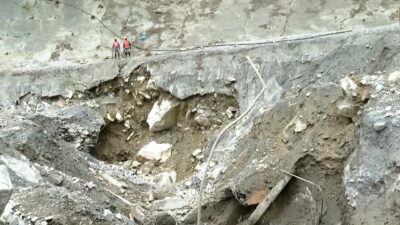
Meanwhile, in the Ivory Coast, similar weather patterns have caused widespread flooding and landslides. Infrastructure damage has hampered relief efforts, but authorities continue to mobilize resources to support affected populations. The governments of both countries have called for international aid and support to address the immediate humanitarian needs and to assist in rebuilding efforts.
Meteorologists have warned that the rainy season may persist, potentially leading to further flooding if adequate measures are not taken. Experts emphasize the importance of early warning systems, improved urban planning, and community education to reduce vulnerability to such natural disasters.
Communities are rallying to assist those affected, with numerous organizations launching relief campaigns. Aid agencies are providing food, clean water, medical supplies, and temporary shelter to displaced families. Despite these efforts, the scale of the disaster presents ongoing challenges for recovery and rehabilitation.
This tragic event serves as a stark reminder of the devastating impacts of extreme weather events in West Africa. As climate change continues to influence weather patterns, nations in the region face escalating risks from floods and other natural hazards. It is imperative to strengthen resilience and adaptive capacities to safeguard lives and livelihoods in the future.