In a surprising turn of events, the United States and Iran have engaged in military strikes shortly after signing a memorandum of understanding aimed at easing tensions between the two nations. The memorandum, which was celebrated as a step towards peace and cooperation, was expected to reduce hostilities and foster diplomatic dialogue. However, contrary to these hopes, both countries have launched retaliatory strikes against each other, escalating the situation instead of calming it.
The memorandum of understanding was signed just days ago in a ceremony attended by high-level officials from both sides. It outlined mutual commitments to cease aggressive activities and to work towards diplomatic solutions on contentious issues. Analysts and international observers saw this agreement as a breakthrough after years of strained relations and conflict.
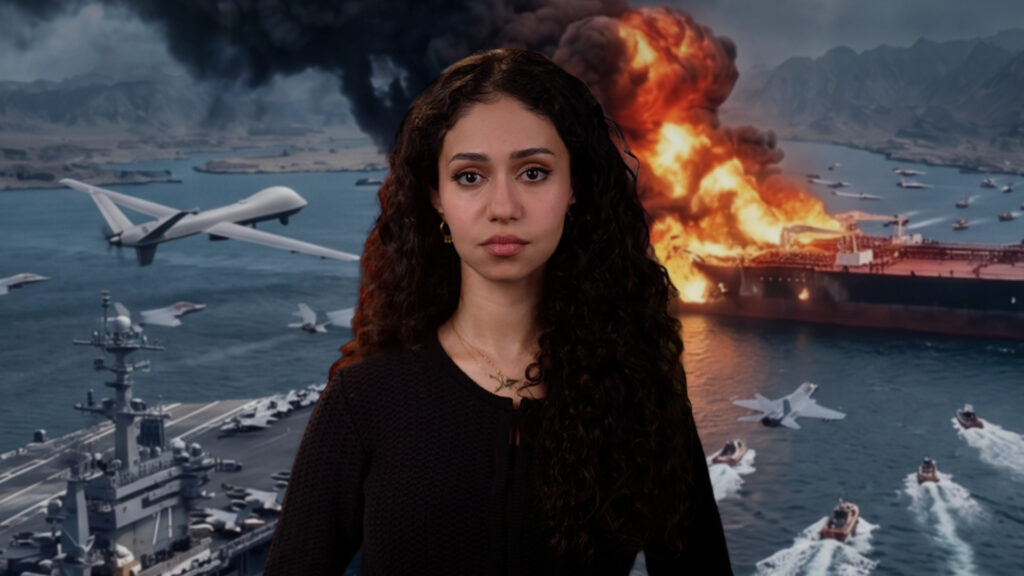
Despite these positive developments on paper, the reality on the ground has been starkly different. The recent strikes began when unidentified forces launched an attack on a site believed to be linked to Iranian interests. In response, Iran retaliated with strikes targeting US military assets in the region. Both governments have issued statements blaming each other for the escalation and accusing one another of violating the spirit of the peace agreement.
Experts suggest that hardline factions within both governments may have influenced these actions, undermining the peace process. The strikes have raised concerns among the international community about the fragility of the current truce and the potential for further conflict.
Diplomatic efforts are now intensifying to contain the situation. The United Nations and several key countries have called for restraint and urged both parties to adhere strictly to the terms of the memorandum. There is widespread recognition that continued violence could derail prospects for lasting peace and stability in the region.
This episode highlights the complexity and volatility of US-Iran relations. While agreements and diplomatic efforts are essential, they are often challenged by underlying mistrust, internal politics, and regional dynamics. The international community remains hopeful that dialogue and negotiation will eventually prevail, but the recent strikes serve as a sobering reminder of the challenges ahead.
As the situation develops, all eyes will be on subsequent diplomatic meetings and whether they can restore momentum towards peace. The coming weeks will be critical in determining if the recent violence is a temporary setback or a sign of deeper, ongoing conflict between the two nations.