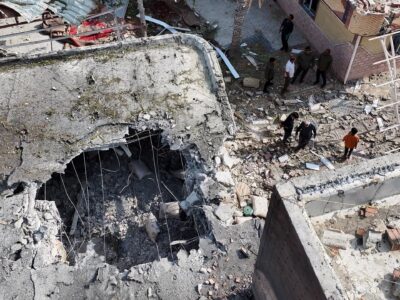
In the latest escalation of the ongoing conflict between Ukraine and Russia, Ukrainian forces have reportedly launched attacks on two major Russian oil refineries. This marks a continuation of Ukraine’s strategic campaign to disrupt Russia’s energy infrastructure, which is a critical component of its economy and military logistics.
According to Russian authorities, the drone attacks resulted in at least two casualties. Details on the extent of the damage to the oil refineries remain limited, but the strikes have heightened tensions and underscored the vulnerability of key energy assets amid the conflict.
These events come as part of a broader pattern where Ukraine has increasingly targeted Russian energy and military facilities to weaken its adversary’s operational capabilities. The targeted attacks on energy infrastructure can have profound impacts, potentially affecting fuel supplies and economic stability.
Russian officials have condemned the attacks, calling them acts of aggression and vowed to bolster security measures to protect vital installations. Meanwhile, Ukraine maintains that such strikes are necessary to impede Russia’s war efforts and to maintain pressure on Moscow in the conflict.
International reactions have been mixed, with some countries expressing concern over the escalation and others acknowledging Ukraine’s right to defend itself and disrupt the logistical support fueling the conflict.
The strikes on the oil refineries highlight the evolving nature of modern warfare where infrastructure sabotage plays a significant role. Experts warn that continued conflicts targeting energy assets could lead to broader economic repercussions beyond the immediate regions involved.
As the conflict persists, the strategic targeting of Russia’s energy sector by Ukraine may influence future negotiations and the overall trajectory of the hostilities. The ongoing drone attacks demonstrate the increasing use of unmanned aerial technology in combat operations, signaling a shift in how wars are fought today.
Casualty reports serve as a reminder of the human cost of the conflict, even as the focus remains on the strategic and economic dimensions of the war. Both sides are likely to continue their campaigns with renewed intensity, potentially leading to further disruptions across critical infrastructures.
The international community continues to monitor the situation closely, urging for dialogue and peaceful resolutions, while preparing for the implications of sustained conflict on global energy markets and regional security.
In summary, Ukraine’s recent drone attacks on Russian oil refineries represent a deliberate tactic to undermine Russia’s capacity to sustain its military operations, highlighting the interconnectedness of energy security and geopolitical conflict in the region.