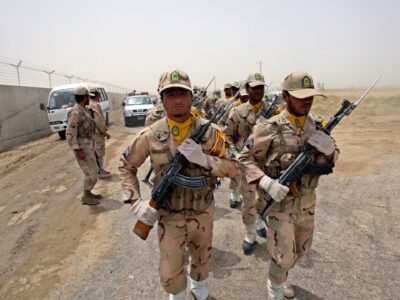
The recent military confrontations in the Strait of Hormuz involving the Islamic Revolutionary Guard Corps (IRGC) have significantly strained relations between Iran and the United States, putting a crucial Memorandum of Understanding (MoU) in jeopardy. The clashes over the strategic transit route, which is vital for global oil shipments, came after two nights of intense military engagements that sent ripples through markets in Iran and heightened geopolitical tensions.
The IRGC’s aggressive maneuvers mark a doubling down on its position, signaling Tehran’s unwillingness to back down amidst mounting pressure from international sanctions and diplomatic isolation. The confrontations have sparked concerns over the security of shipping lanes in the Gulf, a critical artery for global energy supplies.
Iranian markets reacted poorly to the escalations, with stock indices showing volatility and the currency facing depreciation pressures. Investors expressed apprehension over the economic consequences of prolonged instability and the looming threat of increased Western sanctions.
The MoU between Iran and the US, intended to ease tensions and open pathways for diplomacy, now faces an uncertain future. The agreement’s potential to foster cooperation and reduce conflict is undermined by the recent military dynamics in the region.
Analysts warn that continued IRGC assertiveness could further isolate Iran internationally and damage prospects for dialogue. The military standoff underscores the fragile balance in the Strait of Hormuz, where even minor incidents risk spiraling into broader conflicts.
The strategic importance of the Strait cannot be overstated, as it serves as the conduit for roughly one-fifth of global petroleum consumption. Any disruption poses risks not only to regional stability but also to global energy prices and supply chains.
In addition to economic repercussions, the escalating hostility complicates diplomatic efforts aimed at resolving broader Middle Eastern tensions. It presents challenges for regional actors and international stakeholders striving for peace and security.
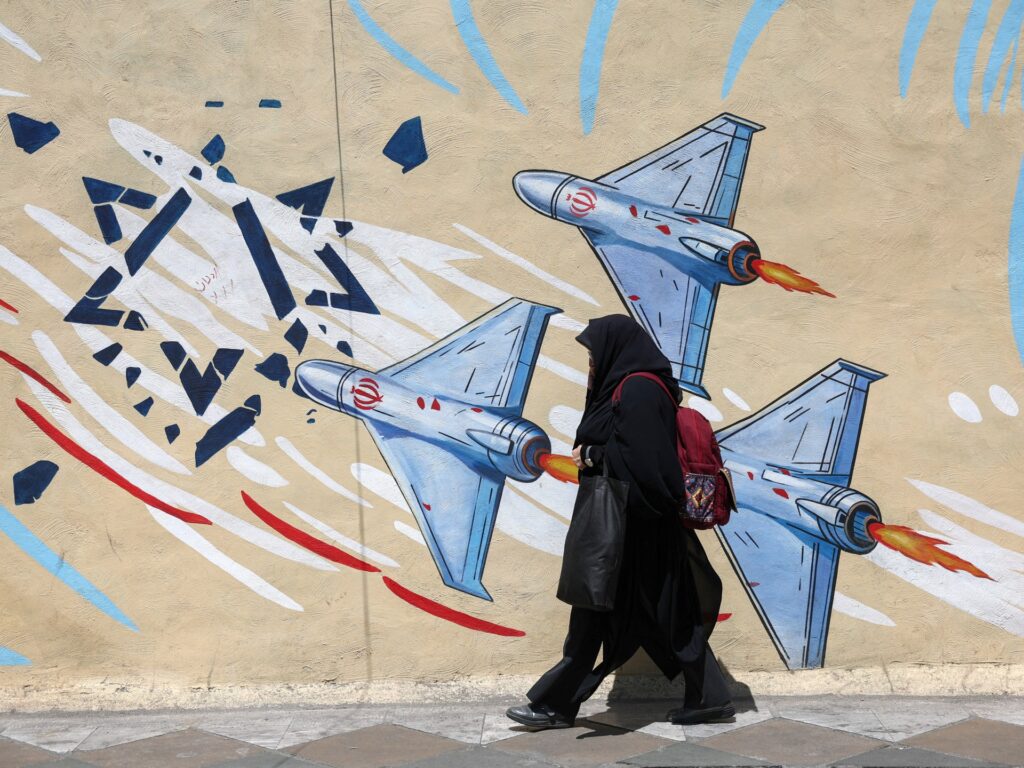
The IRGC’s actions appear aligned with a broader strategic doctrine emphasizing deterrence and resistance to perceived foreign aggression. This posture is likely to persist, given the entrenched animosities and the high stakes involved.
As the situation unfolds, attention now turns to diplomatic channels and international responses, which may shape the trajectory of Iran-US relations in the months ahead.
The unfolding events in the Strait of Hormuz serve as a stark reminder of the region’s volatility and the fragile nature of peace agreements. The coming weeks are critical in determining whether de-escalation can be achieved or if conflict will intensify, with significant implications for global diplomacy and security.