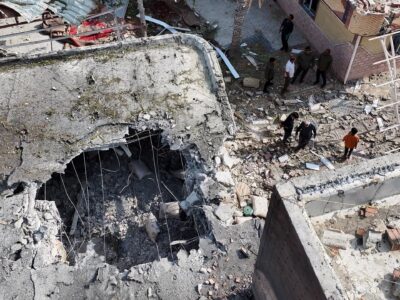
Sudan’s ongoing conflict has reached a critical juncture with the battle over the strategic city of El-Obeid, highlighting the complexities and external influences that are prolonging the country’s strife. The city, a crucial administrative and economic hub, has become a fierce battleground, symbolizing the broader civil turmoil shaking Sudan.
El-Obeid’s burning landscape reflects not just physical destruction but also the deep-seated tensions between rival factions vying for control. These factions, led by powerful generals, have been accused of deliberately stalling peace negotiations to maintain their grip on power. The metaphor of ‘digging with a needle’ captures the painstakingly slow and ineffective efforts to broker peace amid ongoing violence.
A significant factor exacerbating the conflict is the influx of foreign arms. Various external actors have supplied weapons to different sides, fueling the fighting and undermining regional stability. This external involvement has complicated peace talks, as international and regional powers each back opposing factions, turning Sudan into a proxy battlefield.
The narratives surrounding the conflict are sharply polarized. Each faction propagates its own version of events, often casting the other as aggressors while downplaying their own role in the violence. This manipulation of information has sown deep distrust among the Sudanese population and complicated efforts by mediators to foster dialogue.
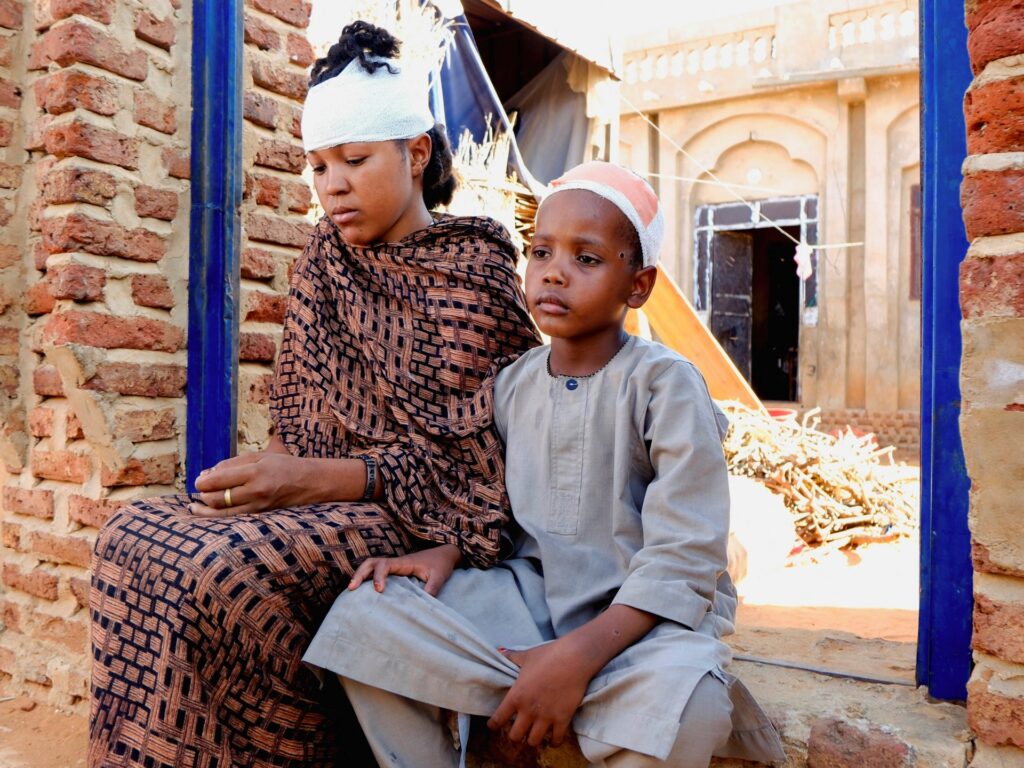
Locally, the humanitarian situation is dire. Civilians in El-Obeid and surrounding areas face displacement, shortages of essential supplies, and the constant threat of violence. Hospitals and infrastructure have been damaged or destroyed, leaving many without access to medical care or basic services.
International organizations have called for an immediate ceasefire and renewed diplomatic efforts. However, with generals on both sides prioritizing military advantage over peace, the path to resolution remains fraught with challenges.
Experts warn that without a concerted and honest commitment to peace by Sudanese leaders and their international backers, the conflict could spiral further, destabilizing the entire region. The battle for El-Obeid serves as a stark reminder of the high human and geopolitical costs of the war.
As El-Obeid burns, the world watches a conflict that continues to defy easy solutions, driven by entrenched divisions, foreign interests, and the unresolved political grievances that sparked Sudan’s grinding war.