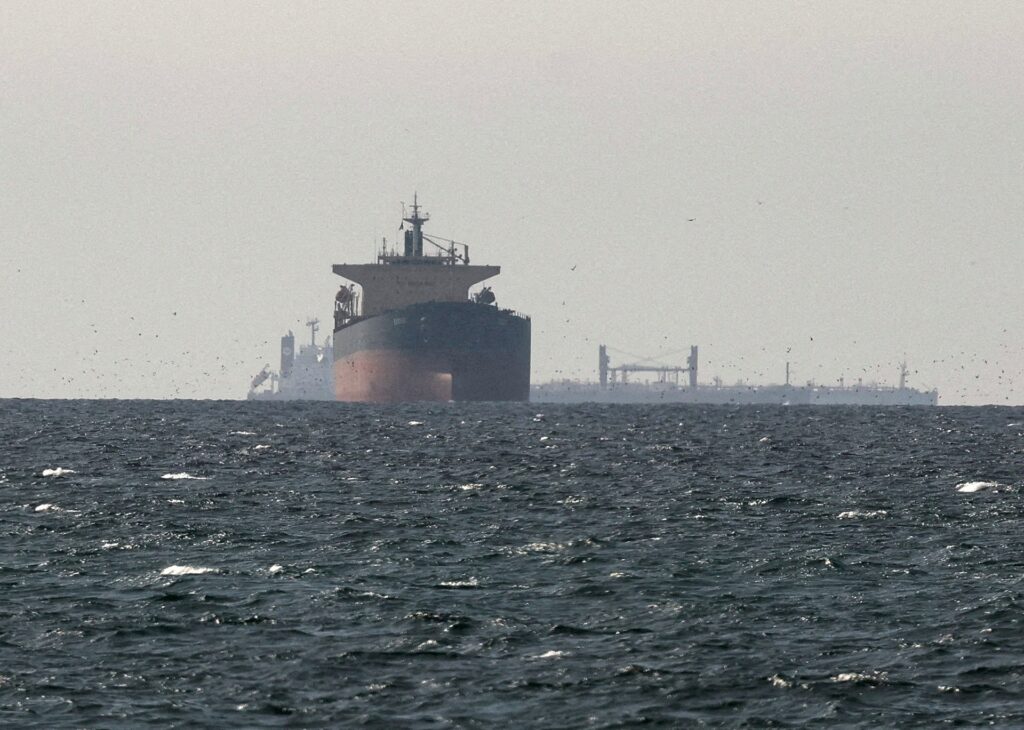
The Strait of Hormuz, a vital maritime chokepoint for global oil shipments, has become a flashpoint of escalating tensions due to confrontations linked to Article 5 of a Memorandum of Understanding (MoU). The strait, situated between Oman and Iran, is strategically critical, with a significant portion of the world’s petroleum passing through this narrow seaway. Recently, Iran and the United States have engaged in a bitter exchange of accusations and military posturing centered on navigation rights and security protocols as spelled out in Article 5 of the MoU.
Article 5 has become a major sticking point primarily because it outlines the rules governing passage and navigation rights for military and commercial vessels traversing the Strait of Hormuz. The provisions are intended to ensure free navigation and prevent hostilities, but interpretations of these rules have diverged sharply between the parties involved.
Iran asserts that Article 5 gives it certain rights to monitor and, if necessary, control maritime traffic to protect its national security interests. Tehran argues that any military presence deemed hostile, especially from the US or its allies, could threaten regional stability and must be curtailed. Iran has accused the United States of repeatedly violating these provisions by conducting military exercises and naval transits it claims are provocative and illegal under the MoU.
Conversely, the United States insists on the principle of free navigation dictated by international maritime law, particularly the United Nations Convention on the Law of the Sea (UNCLOS). Washington views Iranian restrictions and interference with commercial shipping as violations that jeopardize global energy security and freedom of movement.
The confrontation has led to a series of incidents, including close encounters between Iranian vessels and US naval ships, and claims of harassment and threats to commercial tanker vessels. This friction is compounded by the broader geopolitical rivalry between Iran and the US, with the Strait of Hormuz serving as a symbolic and strategic theater for power projection.
The ongoing dispute over Article 5 has raised concerns among regional and global stakeholders about the potential for miscalculations that could escalate into broader military conflict. International actors have called for dialogue and adherence to agreed norms to ensure the Strait remains a safe passageway for commerce and energy supplies.
In summary, Article 5 of the MoU is at the heart of recent confrontations in the Strait of Hormuz because it governs naval passage rights, which are being contested amidst a tense geopolitical backdrop. Iran’s claims for control clash with the US demand for unimpeded navigation, resulting in a dangerous stand-off that threatens regional security and global energy markets.