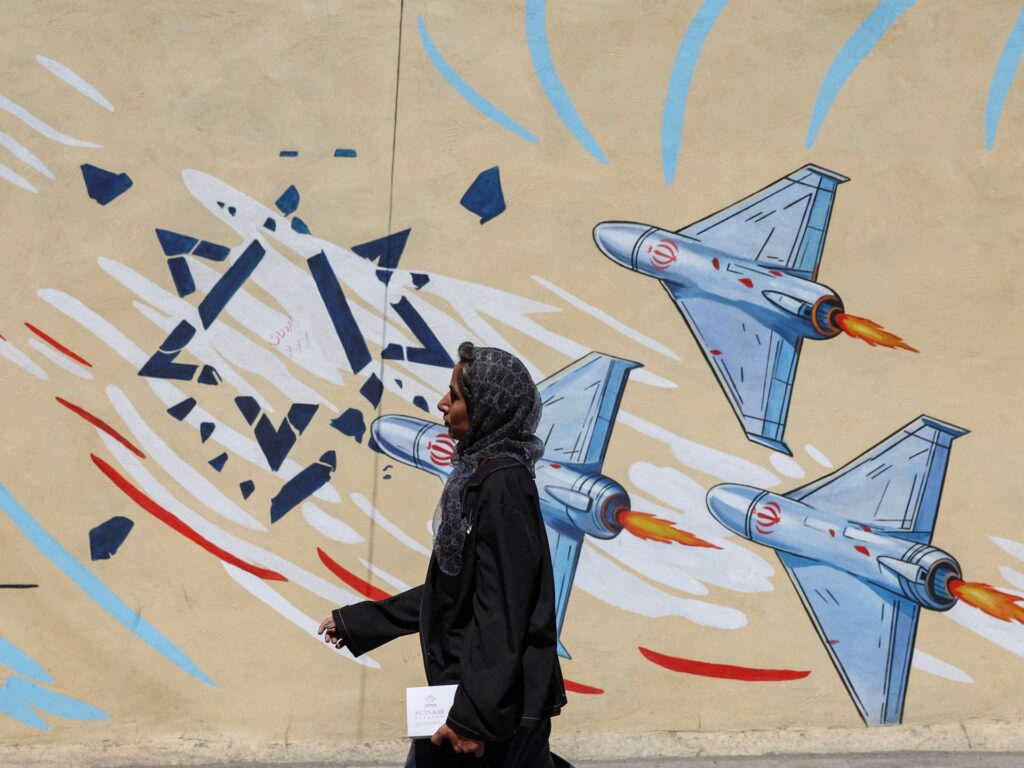
The escalating conflict between the United States and Iran has taken a dramatic turn over the past two days, with the US carrying out airstrikes on key Iranian locations. In a bold and direct move, US President Donald Trump threatened Iran, warning that the US would “militarily complete the job” following attacks on ships which were attributed to Tehran.
The strikes targeted the southeastern Iranian coastal regions of Sirik and Qeshm Island, areas of strategic importance due to their location near vital shipping lanes in the Persian Gulf. The US military confirmed that the bombings were in retaliation to a series of incidents where ships were attacked, allegedly involving Iranian forces or proxies.
President Trump’s statement on the situation was forceful, emphasizing that the US is prepared to escalate its military response if necessary. “We are not just warning, we are acting,” Trump said in a recent address, underscoring the seriousness with which the US views Iranian aggression. The promise to “militarily complete the job” signals a potential intensification of hostilities if diplomatic efforts fail or if further provocations occur.
The choice of Sirik and Qeshm for the strikes is significant. Sirik, located on the Gulf coast, and Qeshm Island, the largest island in the Persian Gulf, serve as strategic military and logistical points for Iran. The strikes on these locations could potentially degrade Iran’s capability to project power in the region, as well as disrupt shipping routes that are critical for global energy supplies.
Regional analysts warn that the conflict could quickly escalate, with potential for wider military engagements involving US allies and Iran-backed militia groups. The gulf remains a flashpoint for international tensions, with both sides demonstrating a willingness to use force to achieve their objectives.
The Iranian government has condemned the US bombings as violations of its sovereignty and vowed to respond accordingly. Tehran’s leaders have called for increased support from international partners and hinted at possible retaliatory measures. The situation remains fluid, with diplomatic channels reportedly still open but strained.
International reaction has been mixed. Some countries have called for restraint and peaceful dialogue to prevent a larger conflict, while others have expressed support for the US position against Iran’s regional activities.
This ongoing crisis highlights the complexities of Middle East geopolitics where historical grievances, strategic interests, and global power dynamics intersect. The world watches anxiously as events unfold, with the hope that dialogue will prevail over further military confrontation.
In summary, the recent US airstrikes on Sirik and Qeshm Island, coupled with President Trump’s stern warnings, mark a significant escalation in US-Iran tensions. The situation remains volatile, and the coming days will be critical in determining whether this conflict spirals into a broader war or can be contained through diplomacy.