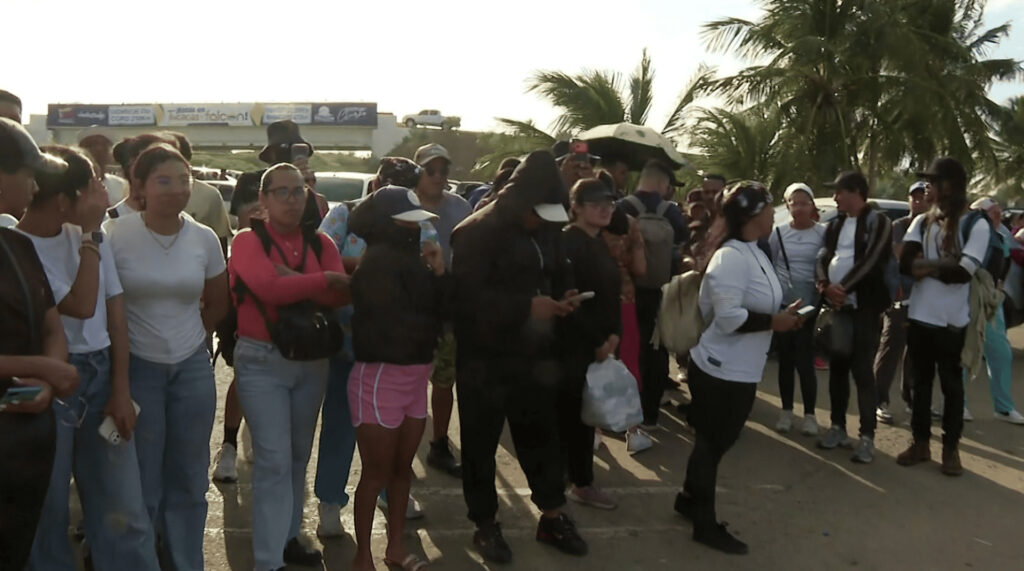
Venezuela is currently facing a surge of public anger and frustration after the recent earthquakes devastated several regions in the country. In the aftermath of this natural disaster, citizens desperate to help with rescue and relief efforts have been stopped by military forces from entering the affected zones. This move by the military has sparked widespread discontent across various communities, who feel excluded from playing a role during this critical time.
The earthquakes, which struck with significant intensity, left many areas severely damaged and residents in desperate need of assistance. As news of the destruction spread, countless locals attempted to mobilize and contribute to rescue operations, aiming to support those trapped or injured. However, their efforts were met with military roadblocks that effectively barred access to critically affected regions.
Authorities have justified the military’s actions by citing concerns about safety and control in the disaster areas. Officials argue that restricting access helps prevent potential chaos and allows trained emergency responders to operate more effectively. Despite these explanations, many Venezuelans see the restrictions as excessive and believe the government is undermining grassroots humanitarian efforts.
The military’s strict control over the earthquake zones has led to growing tensions between civilians and the armed forces. Local activists and community leaders have voiced their outrage, calling for more inclusive approaches that empower residents to assist alongside official rescue teams rather than be excluded.
Social media platforms have been a hotbed for public discontent, featuring messages of frustration and calls for government transparency and cooperation. Many citizens are sharing firsthand accounts of blocked aid convoys and volunteers being turned away, feeding the narrative of governmental overreach during emergencies.
Human rights organizations have also expressed concern regarding the restrictions, advocating that citizens should be allowed to participate in relief efforts to bolster the overall response capacity. They emphasize that inclusive disaster management strategies are vital for effective recovery and community resilience.
Experts note that involving local communities in disaster response efforts can improve efficiency and morale, helping to save lives by increasing manpower and valuable local knowledge. Conversely, alienating the public may result in dissatisfaction and reduced cooperation with ongoing relief operations.
The Venezuelan government faces the challenge of balancing control and security with the empowerment of citizens eager to help. How they navigate this situation will likely have lasting impacts on both the country’s disaster preparedness framework and its social cohesion.
As the nation grapples with the aftermath of these earthquakes, the hope remains that dialogue between military authorities and civilians can lead to more collaborative and inclusive rescue efforts. This cooperation is deemed essential to meet the urgent needs of affected populations and to foster unity in times of crisis.
In summary, the military’s barring of citizens from earthquake-hit zones has ignited a wave of anger across Venezuela. Calls for more open participation in rescue efforts underscore the complexity of managing disaster responses in ways that respect safety concerns while honoring the public’s desire to contribute meaningfully during emergencies.