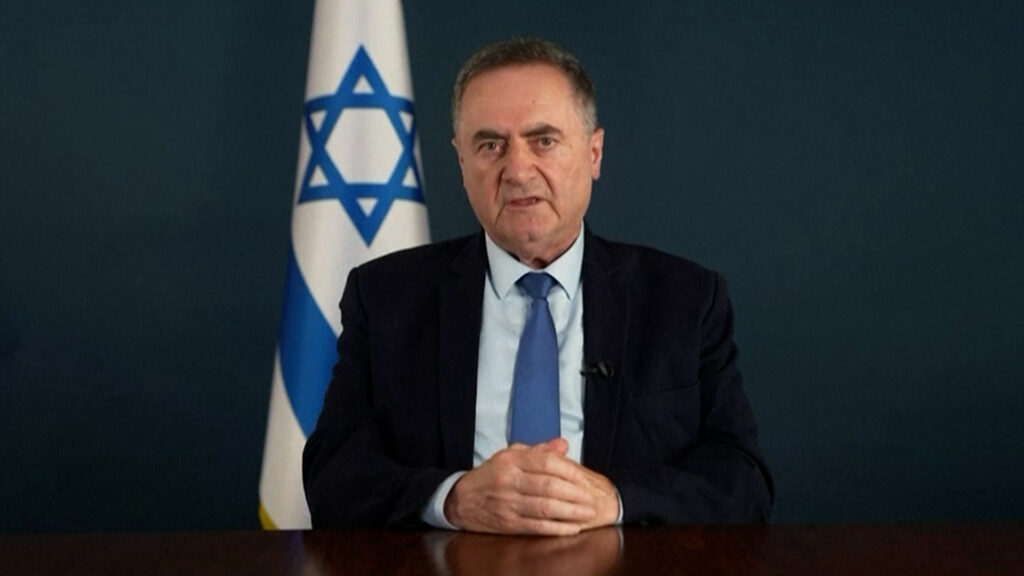
Israel has announced a significant military decision as Defence Minister Israel Katz has instructed the Israeli Defense Forces (IDF) to prepare for an extended deployment in Lebanon. This directive signals a shift in Israel’s military posture and strategic planning in the volatile region, suggesting prolonged engagement due to escalating security concerns.
The order for an extended stay reflects heightened tensions along the Israel-Lebanon border, a region long fraught with conflict and instability. The IDF’s preparation for a sustained presence implies readiness for potential escalations or prolonged operations, underscoring the seriousness with which Israeli officials are viewing the current situation.
Minister Katz’s announcement came amid reports of increased militant activity and threats perceived by Israel from Iranian-backed groups operating within Lebanon, particularly Hezbollah. These groups have historically been central to conflicts involving Israel, and their continued militarization poses ongoing challenges to regional security.
The decision to prepare for a prolonged deployment suggests that Israel is bracing for complex scenarios that may require sustained military operations, intelligence gathering, and enhanced border security measures. It also highlights concerns over the stability of Lebanon and the influence of militant factions within its borders.
This move is expected to have significant implications for the security dynamics in the Middle East. An extended Israeli military presence in Lebanon could heighten tensions, provoke responses from militant groups, and impact diplomatic relations involving Lebanon, Israel, and international stakeholders.
The Israeli government has emphasized that the military’s preparations are defensive and precautionary, aimed at safeguarding national security and protecting civilians from potential threats emanating from Lebanese territory.
As Israel orders its troops to gear up for an extended stay in Lebanon, the international community watches closely. The unfolding situation underscores the fragile balance of peace in the region and the challenges faced in preventing escalation and fostering long-term stability.
The coming days and weeks will be critical in determining how Israel’s military strategy unfolds and how neighboring countries and global powers respond to this latest development in the Israeli-Lebanese conflict.