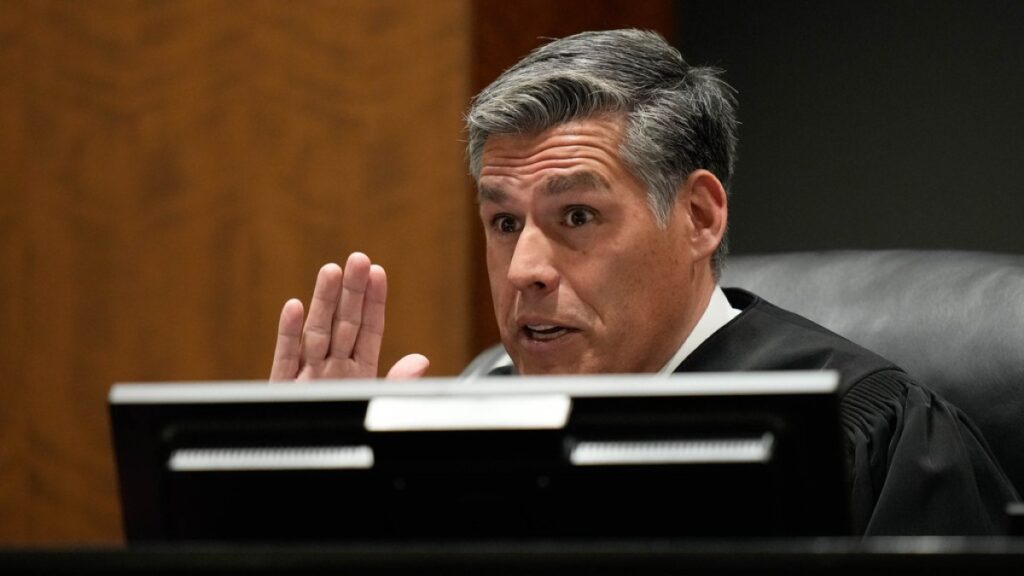
In a significant development in the ongoing Charlie Kirk murder case, a US judge has held one of the prosecutors in contempt of court. This rare judicial action underscores the importance of adhering to established legal protocols, especially when it comes to communications outside the courtroom.
The judge’s ruling was prompted by comments made to the media by the prosecutors involved in the case. According to the judge, these public statements violated the rules governing what can be disclosed or discussed about a defendant before and during trial. Such rules exist to ensure a fair trial and to prevent undue influence on potential jurors or the judicial process itself.
The Charlie Kirk murder case has garnered substantial public and media attention, making the enforcement of these communication rules especially critical. By holding the prosecutor in contempt, the judge has sent a clear message that the legal system demands strict compliance with ethical standards and procedural fairness.
Legal experts note that contempt citations are generally imposed to maintain court dignity and uphold the integrity of the judicial process. They emphasize that prosecutors, despite their critical role in criminal trials, must exercise restraint and discretion in public comments to avoid prejudicing the case.
This incident may lead to increased scrutiny of how both prosecution and defense teams interact with the media in high-profile cases. It also highlights ongoing debates about the balance between the public’s right to information and a defendant’s right to an impartial trial.
The judge’s decision may affect the pace and conduct of the Charlie Kirk trial moving forward. It underlines the judiciary’s commitment to protecting legal norms and ensuring justice is served without external interference.
As the case progresses, all parties involved are reminded to focus strictly on courtroom proceedings and let the judicial process determine the outcome based on evidence presented in a fair and regulated environment. Further violations by legal teams could invite additional sanctions, complicating the trial.
This precedent could prompt other courts to reassess rules around media engagement and enforce stricter guidelines to preserve trial integrity.
For now, the spotlight remains on the courtroom where the facts of the Charlie Kirk murder will be thoroughly examined under strict judicial oversight, ensuring justice is pursued methodically and without prejudice.