In Venezuela, a nation grappling with political, economic, and social challenges, over 50,000 people are reported missing, leaving families desperate for answers. The sheer scale of the crisis has led families to turn to the internet as a vital tool in their search efforts, sharing photographs, names, and the last known whereabouts of their loved ones on social media and community forums.
The missing persons phenomenon in Venezuela is intricately linked to broader issues plaguing the country, including insecurity, poverty, and migration pressures. Many individuals have disappeared amid turmoil caused by widespread violence, human trafficking, and the ongoing economic collapse that has forced millions to flee the country in search of better opportunities.
Families affected by these disappearances are often left in a state of limbo, unsure if their loved ones are victims of crime, migrants stranded abroad, or caught in bureaucratic invisibility. The Venezuelan government has faced criticism for insufficient response and lack of resources dedicated to addressing disappearances.
Community organizations and independent groups have stepped in to fill the gap, setting up online databases and support networks to document cases and mobilize assistance. These digital platforms allow families to share vital information, connect with others in similar situations, and raise awareness both domestically and internationally.
The international community has expressed concern about the humanitarian implications of the crisis, urging the Venezuelan authorities to improve transparency and enhance efforts to investigate and locate missing persons. Meanwhile, families remain vigilant, often organizing searches on foot or coordinating with local volunteers and human rights organizations.
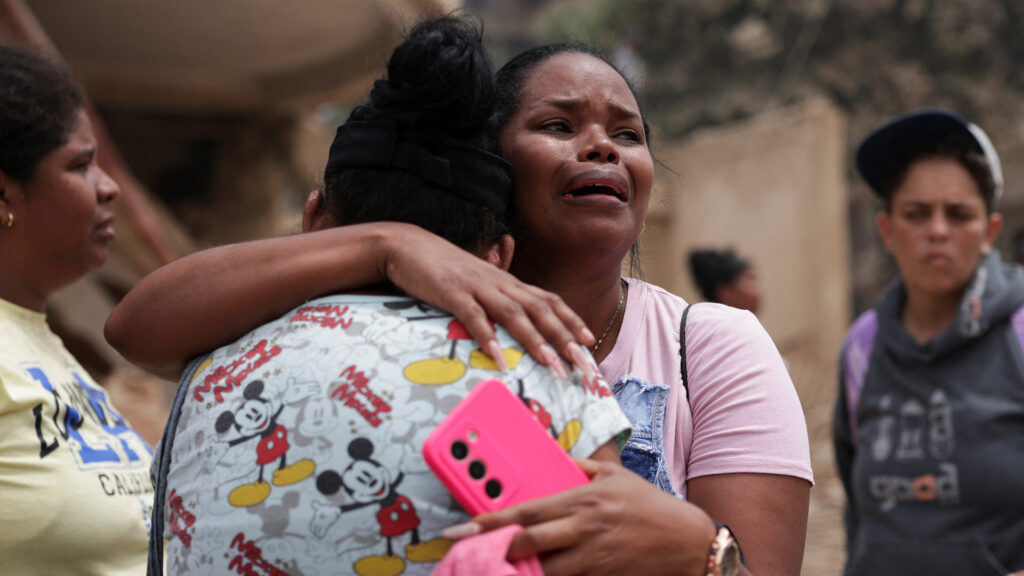
The emotional toll on families is profound, compounded by uncertainty and the lengthy wait for closure. In many cases, the absence of clear information fuels fear and perpetuates trauma.
Efforts to address the problem are made more complex by the country’s political polarization and instability, which hinder coordinated responses at local and national levels. Despite these challenges, the determination of families to find their missing loved ones persists, underscoring the human cost of Venezuela’s ongoing crisis.
As social media continues to serve as a beacon of hope and a platform for advocacy, it also highlights the urgent need for comprehensive measures to tackle the root causes of disappearances and ensure the protection of vulnerable populations. Only through combined local, national, and international efforts can Venezuela hope to restore the safety and dignity of its people and bring relief to families searching for their missing relatives.