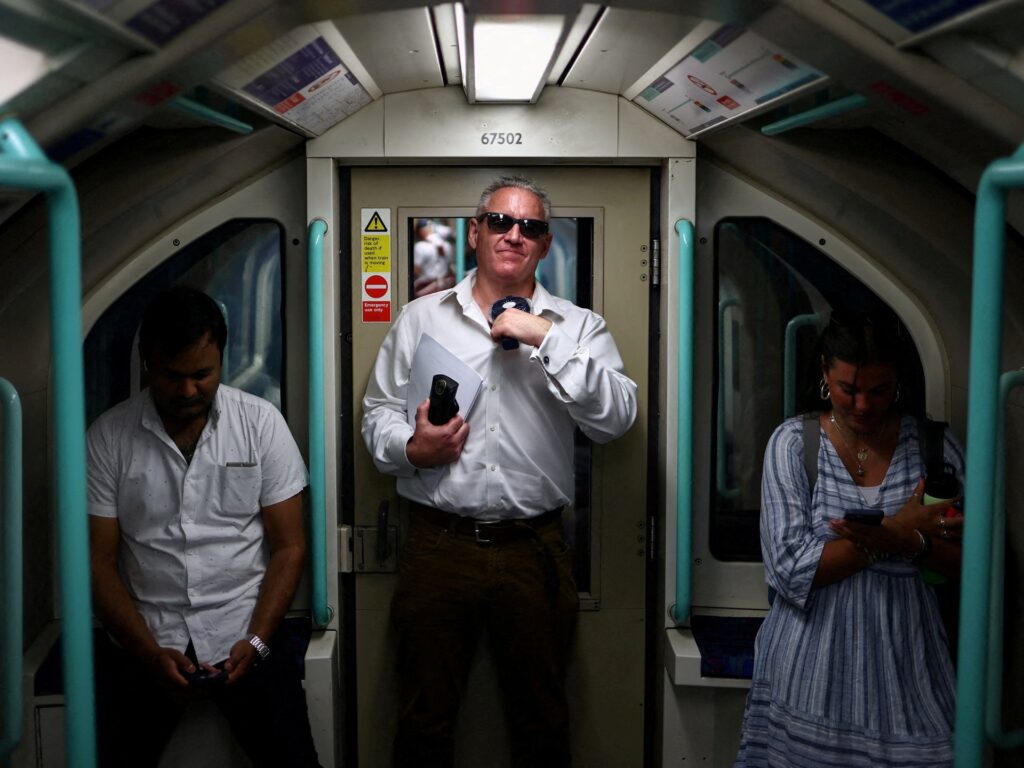
The United Kingdom has long been characterized by its cold, rainy weather—a climate that has shaped the nation’s infrastructure, social norms, and systems over centuries. However, with increasingly frequent and intense heatwaves, epitomized by recent scorching temperatures, the UK is facing a new set of challenges that highlight its lack of preparedness and raise urgent questions about adaptation.
The phrase “London cooking” has surfaced in public discussion as a metaphor for the sweltering conditions gripping the capital, reflecting a broader national bewilderment at dealing with heat. While southern Europe and other traditionally warmer regions are equipped with heat-resistant infrastructure and cultural adaptations, the UK seems caught off guard by these rapid climate changes.
One of the primary reasons why the UK struggles with heat is the architectural design of its buildings. Most homes and offices are optimized for cold weather, featuring poor ventilation, lack of air conditioning, and insulation aimed at retaining warmth rather than dissipating heat. This historic focus on heating efficiency has rendered many structures unsuitable for prolonged high temperatures.
Furthermore, urban planning in British cities, including London, has generally not prioritized heat mitigation. The widespread use of dark tarmac and concrete, combined with limited green spaces, contributes to significant urban heat island effects. This intensifies temperatures within the city, making it considerably warmer than surrounding rural areas during heatwaves.
The public health system is also under strain during heatwaves. Hospitals report increased admissions due to heat stress, dehydration, and related complications. Elderly and vulnerable populations are at particular risk, prompting concerns about the adequacy of social care services during extreme weather events.
Transportation networks face difficulties as heat affects infrastructure like rail tracks and roads. Disruptions to services cause inconveniences and economic impacts, underscoring the need for more resilient transport planning.
Despite these challenges, conversations around adaptation are becoming more prominent in political and social spheres. Researchers and policymakers recognize the urgency of implementing measures such as upgrading building regulations to include cooling strategies, expanding urban greenery to mitigate heat island effects, and investing in health and social care systems tailored for hotter climates.
Recent government reports have acknowledged the increasing frequency of extreme heat events, prompting some pilot projects focused on heat resilience. London’s mayoral office has advocated for better heatwave preparedness, including public education campaigns and emergency response protocols.
However, adaptation is a complex and costly process, requiring significant shifts in public investment, planning, and cultural attitudes. The UK’s traditionally cautious approach to infrastructure overhaul and environmental policy can slow progress, despite growing scientific consensus on climate change impacts.
Experts argue that the nation must treat heat resilience with the same urgency historically reserved for flood defenses and cold weather preparedness. The coming decades might witness a comprehensive overhaul of systems to better cope with new climatic realities, including innovative architectural designs, sustainable urban planning, and enhanced public health frameworks.
In the meantime, individual citizens are urged to take simple precautionary measures such as staying hydrated, avoiding outdoor activity during peak heat, and checking on vulnerable neighbors.
In summary, the UK’s struggle with heat amid a warming climate exposes fundamental vulnerabilities rooted in historical climate patterns and infrastructural design. While adaptation is underway in discussions and pilot programs, significant efforts are still needed to overhaul systems for heat resilience fully. The nation’s ability to navigate this challenge will shape not only public comfort and safety but also economic stability and environmental sustainability in the decades to come.