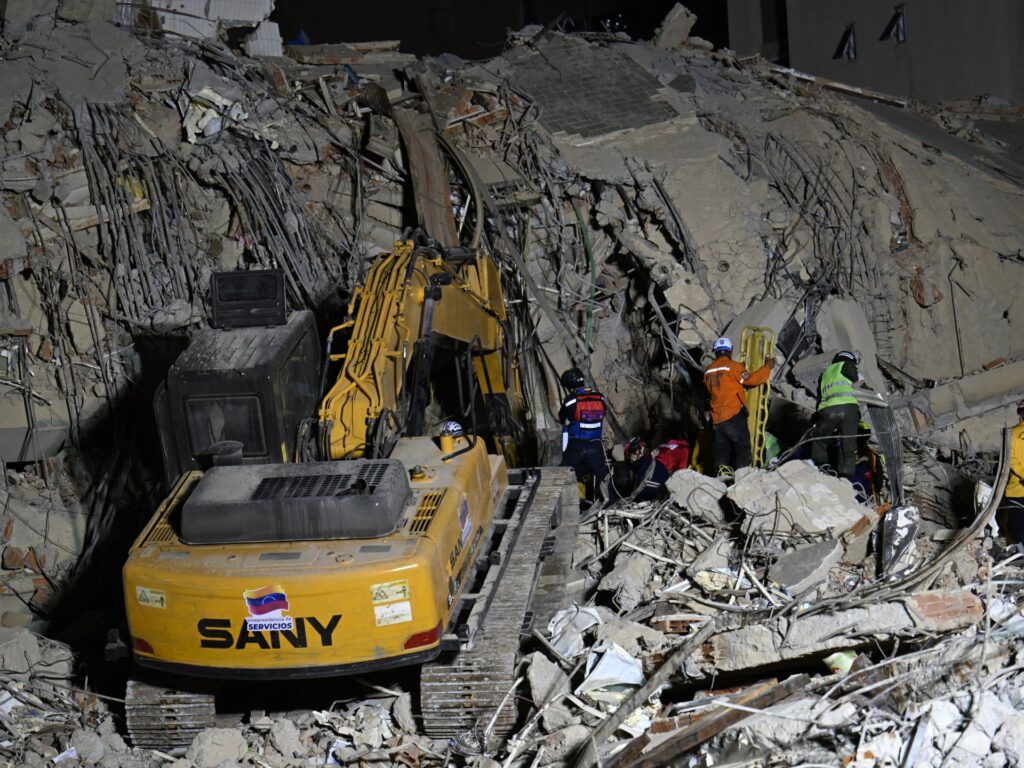
Caracas, the capital of Venezuela, has recently faced significant devastation due to earthquakes, raising questions about the city’s vulnerability to seismic events. The primary reason behind this heightened susceptibility lies in the inadequate infrastructure that characterizes much of the city. Years of underfunding and economic challenges have hindered the city’s ability to maintain and reinforce buildings and essential infrastructure, leaving many structures poorly equipped to withstand tremors.
The geological setting of Caracas further compounds the risk. Situated near several fault lines, the city is naturally prone to seismic activity. However, while earthquakes are a known hazard, the lack of robust building codes enforcement and the prevalence of substandard constructions have turned what could be manageable tremors into deadly disasters.
Due to Venezuela’s economic crisis, extensive investment in urban development and disaster preparedness has been severely limited. This financial neglect has resulted in aging infrastructure, with many public buildings, homes, and critical facilities being at high risk during an earthquake. Moreover, emergency response systems are often under-resourced, delaying aid and exacerbating the damage’s human toll.
The issue of vulnerability in Caracas goes beyond physical structures. Rapid urbanization without adequate planning has led to dense population clusters in risk-prone areas, increasing the potential for casualties in the event of an earthquake. Informal settlements, often constructed with minimal oversight, are especially vulnerable.
Experts emphasize the urgent need for comprehensive action to mitigate these risks. Strengthening building codes, retrofitting existing structures, improving emergency preparedness, and investing in public awareness campaigns are critical steps. International assistance and partnerships could also support Venezuela in boosting its resilience.
In summary, Caracas’s vulnerability to earthquakes is a product of natural seismic risk intersecting with decades of infrastructural neglect and socio-economic difficulties. Addressing these challenges requires coordinated efforts at local, national, and international levels to safeguard the city’s inhabitants and future.